
How Many Coats Of Polyurethane
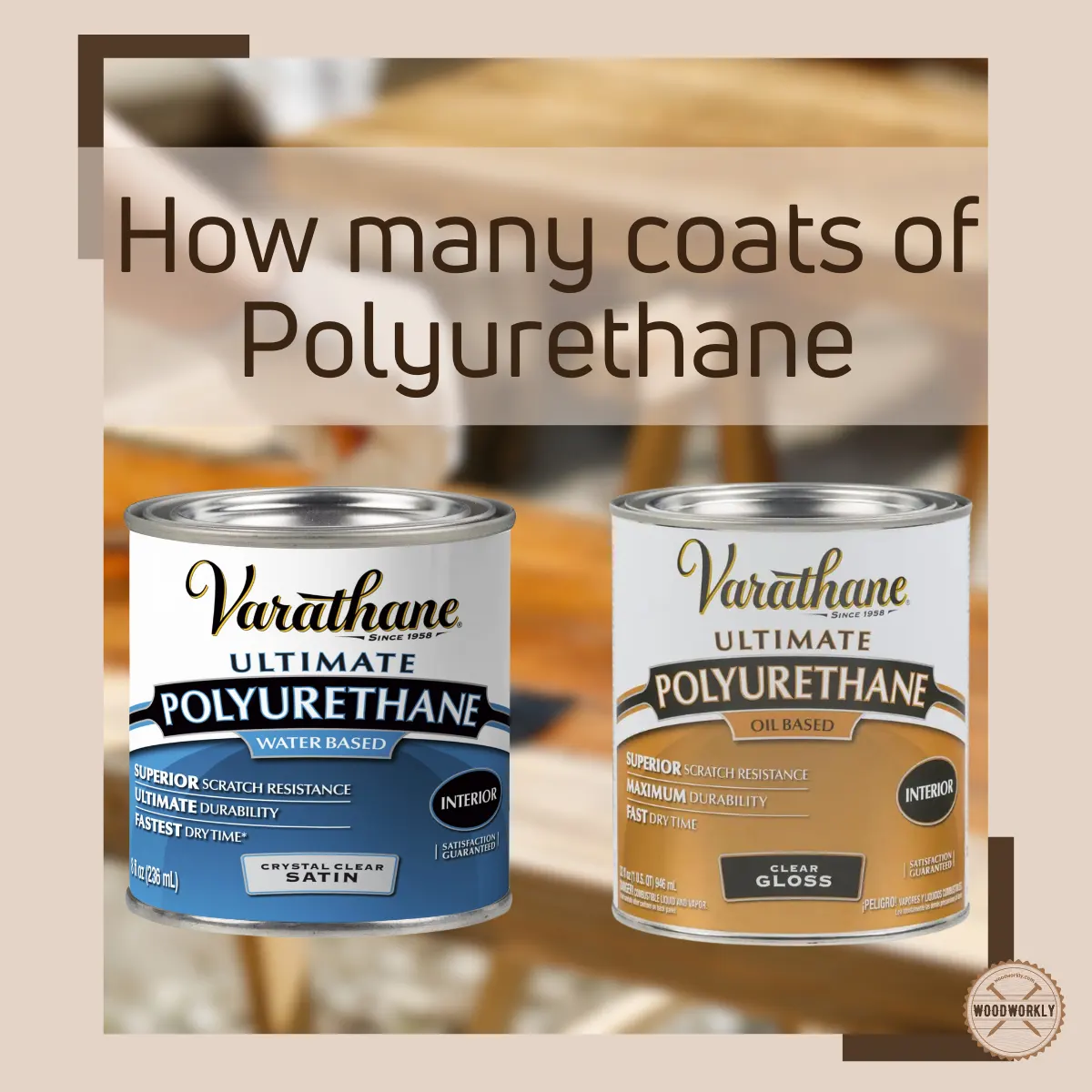
Polyurethane: the superhero of the DIY world, the unsung champion of crafting projects, and the secret ingredient to a finish so smooth, you’ll want to pet it. It's the clear coat that transforms a humble piece of wood, a painted canvas, or even a meticulously crafted clay sculpture into a durable, eye-catching masterpiece. But a question often plagues beginners and even seasoned crafters alike: how many coats of polyurethane are really needed?
For artists, hobbyists, and even those just dipping their toes into the world of creative endeavors, polyurethane offers a world of benefits. It's not just about aesthetics, although it certainly delivers on that front. It's about protecting your hard work. Imagine spending hours painstakingly painting a tabletop, only to have it ruined by a single spilled cup of coffee. Polyurethane forms a tough, resilient barrier against scratches, stains, and everyday wear and tear. It's like giving your creation a suit of armor, ensuring its longevity and beauty for years to come.
The applications are as diverse as your imagination. Think about a rustic wooden coffee table, its grain brought to life with a satin polyurethane finish. Or consider a vibrant, abstract painting on canvas, sealed with a high-gloss coat for added depth and vibrancy. Even delicate polymer clay earrings can benefit from a thin layer of polyurethane, making them more durable and water-resistant. From furniture refinishing to protecting hand-painted signs, the possibilities are truly endless. Some artists even use tinted polyurethanes to add subtle color and warmth to their projects, opening up a whole new realm of creative expression.
Must Read
So, back to the million-dollar question: how many coats? While there’s no magic number, a good rule of thumb is at least two to three coats for most projects. The first coat acts as a sealer, soaking into the surface and providing a base for subsequent layers. The following coats build up the protective layer and create that smooth, durable finish you're after. For high-traffic areas, like tabletops or floors, consider adding an extra coat for increased protection. Remember to always lightly sand between coats with fine-grit sandpaper (220-grit or higher) to ensure proper adhesion.

Trying it at home is easier than you might think. Start by preparing your surface properly, ensuring it's clean, dry, and free of dust or debris. Choose the right type of polyurethane for your project – water-based for low odor and easy cleanup, or oil-based for superior durability. Apply thin, even coats using a quality brush or foam applicator, following the manufacturer's instructions carefully. Patience is key – allow each coat to dry completely before sanding and applying the next. Don't rush the process; the results will be well worth the wait.
Ultimately, working with polyurethane is enjoyable because it's so gratifying. Seeing your project transform from a raw, unfinished piece into a polished, professional-looking creation is incredibly rewarding. It's about taking pride in your work, protecting your investment, and adding a touch of personalized beauty to your home or workspace. So, grab a can of polyurethane, unleash your creativity, and discover the magic for yourself! You might just find your new favorite crafting companion.

![How Many Coats of Polyurethane to Apply [Expert Answer]](https://woodsmithspirit.com/wp-content/uploads/2022/01/How-many-coats-of-polyurethane-to-apply.jpg)