
How Many Carbon Monoxide Alarms Do I Need
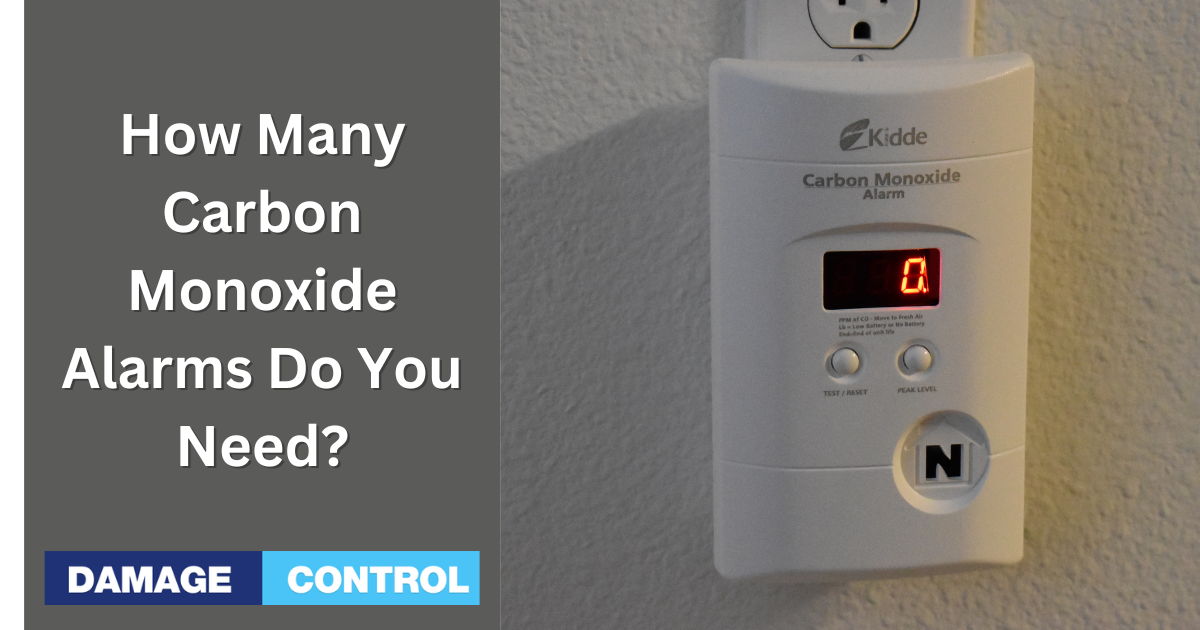
Okay, let's talk about something super important but often overlooked: keeping our cozy nests safe from the unseen. We're talking about Carbon Monoxide (CO), the silent, invisible intruder that nobody wants on their guest list. You might think, "Oh, I have smoke detectors, I'm good!" But while smoke detectors are kitchen-fire heroes, they won't pick up on CO. That's where CO alarms come in, acting like your home's personal bodyguard against this sneaky gas.
Think of it this way: you wouldn't leave your door unlocked, right? Installing CO alarms is like adding an extra, crucial lock to your home's safety system. It's about creating a truly comfortable, worry-free sanctuary. So, let's dive into the nitty-gritty of how many you actually need, without making it feel like a chore.
What's the Deal with Carbon Monoxide, Anyway?
Before we place our alarms, a quick primer on why CO is such a big deal. It’s often called the "silent killer" for a reason. You can't see it, smell it, or taste it. It's produced when fuels like gas, oil, wood, or coal don't burn completely. Think furnaces, water heaters, fireplaces, gas stoves, and even generators or cars in an attached garage. In high concentrations, it quickly starves your body of oxygen, leading to serious health issues or worse. Yikes, right? But don't fret; this is exactly why we have brilliant little gadgets to protect us!
Must Read
The Golden Rule: One on Every Level!
Let's get straight to the number one piece of advice: you need at least one carbon monoxide alarm on every single level of your home. Yes, that includes the basement, the main floor, and any upper floors where you spend time. Even if your basement is just for laundry or storage, if it has a fuel-burning appliance (like a furnace or water heater), it needs an alarm.
Think of each level as a different zone. CO gas mixes with air and disperses, so having an alarm on each floor ensures detection no matter where a leak originates or accumulates.
Sleep Easy: Near Sleeping Areas
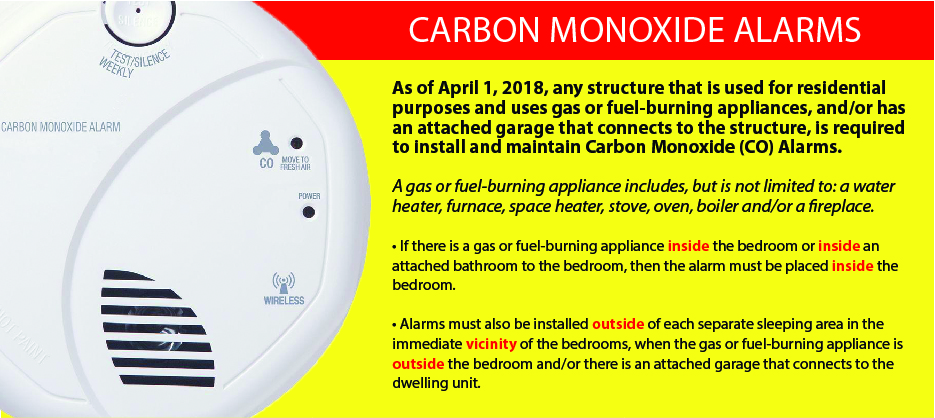
Beyond every level, the experts highly recommend placing an alarm near or inside every sleeping area. This is super important because you're most vulnerable to CO poisoning while you're asleep. You wouldn't wake up to the smell of gas because there isn't one. An alarm will jolt you awake, giving you critical time to react.
So, a good rule of thumb is: one alarm in the hallway outside the bedrooms on each sleeping level, and ideally, one inside each individual bedroom, especially if the door is often closed. It's like having a personal sentinel while you dream.

Extra Credit: Near Fuel-Burning Appliances & Garages
Want to go above and beyond? Place an alarm within 10-15 feet of any major fuel-burning appliance. This includes your furnace, water heater, or even a fireplace. Just make sure it's not too close, as direct exhaust could trigger nuisance alarms. A little distance helps.
Do you have an attached garage? Absolutely put an alarm in there, or in the room directly adjacent to the garage. Cars left running, even for a short time, can produce dangerous levels of CO that can seep into your home. It’s an easy safety upgrade!
So, What's the Magic Number?
In summary, for most homes:
- At least one on each level of your home.
- At least one near or in every sleeping area.
- Consider one near each major fuel-burning appliance.
- Definitely one in or near an attached garage.
For a typical two-story home with a basement and three bedrooms upstairs, you're likely looking at a minimum of 3-5 alarms for optimal protection. More alarms mean more peace of mind!
Pro Tips for Placement & Maintenance
- Height Matters: CO mixes with air, so alarms can be placed on a wall or ceiling. Follow the manufacturer's instructions, but generally, not too low (below knee height) or too high (right on the ceiling unless specified).
- Avoid Vents & Windows: Don't put alarms directly in front of vents, windows, or doors where drafts can affect readings.
- Test Regularly: Just like smoke detectors, hit that test button once a month! Many alarms have a little "Test/Reset" button. It’s a satisfying little chirp.
- Battery Check: If your alarm is battery-powered, change those batteries at least once a year. A good trick is to do it when Daylight Saving Time begins or ends – a perfect annual reminder!
- Expiration Dates Are Real: CO alarms don't last forever. Most have a lifespan of 5-7 years. Check the manufacture date on the back of the unit and replace it when it's due. It's like replacing an old phone; technology (and sensors) gets tired.
Investing in the right number of carbon monoxide alarms isn't just about ticking a box; it's about safeguarding the people and pets you love most. It's a small, one-time investment for a huge return in security and calm. In a world full of unknowns, knowing you've taken this simple step to protect your home from an invisible threat is a wonderfully comforting feeling. So, go ahead, check your alarms, add a few more if needed, and breathe easy knowing your sanctuary is truly safe.
