
How Many Amps Is A Fridge
Okay, let's talk about the unsung hero of our kitchens, the quiet workhorse that keeps our ice cream frozen and our veggies crisp. We're talking about the fridge, of course! It just sits there, humming along, doing its thing. But have you ever stopped to wonder, how much power does this essential appliance actually need? Specifically, how many amps is a fridge?
It's one of those questions that might pop into your head while grabbing a midnight snack, or perhaps when you're looking at your energy bill. And honestly, it’s a pretty cool question, because it tells us a lot about the hidden world of electricity that powers our lives.
So, What Exactly Are Amps Anyway?
Before we dive into fridge specifics, let's do a quick, super-simple refresh on what an "amp" is. Think of electricity flowing through wires kind of like water flowing through a pipe. The voltage is like the water pressure pushing it along, and watts are the total power being delivered (how much work the water can do).
Must Read
Now, amps (amperes) are essentially the volume or rate of that electrical current flowing. It's how much "stuff" is moving through the pipe at any given moment. So, when we ask "how many amps is a fridge," we're really asking, "how much electrical current does it need to draw to do its job?"
The Big Reveal: How Many Amps Does a Fridge Draw?
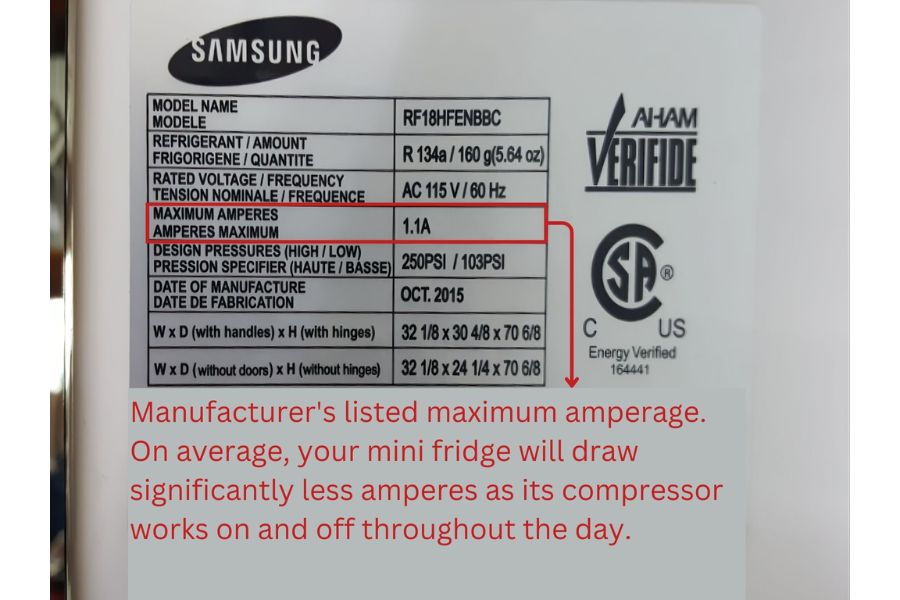
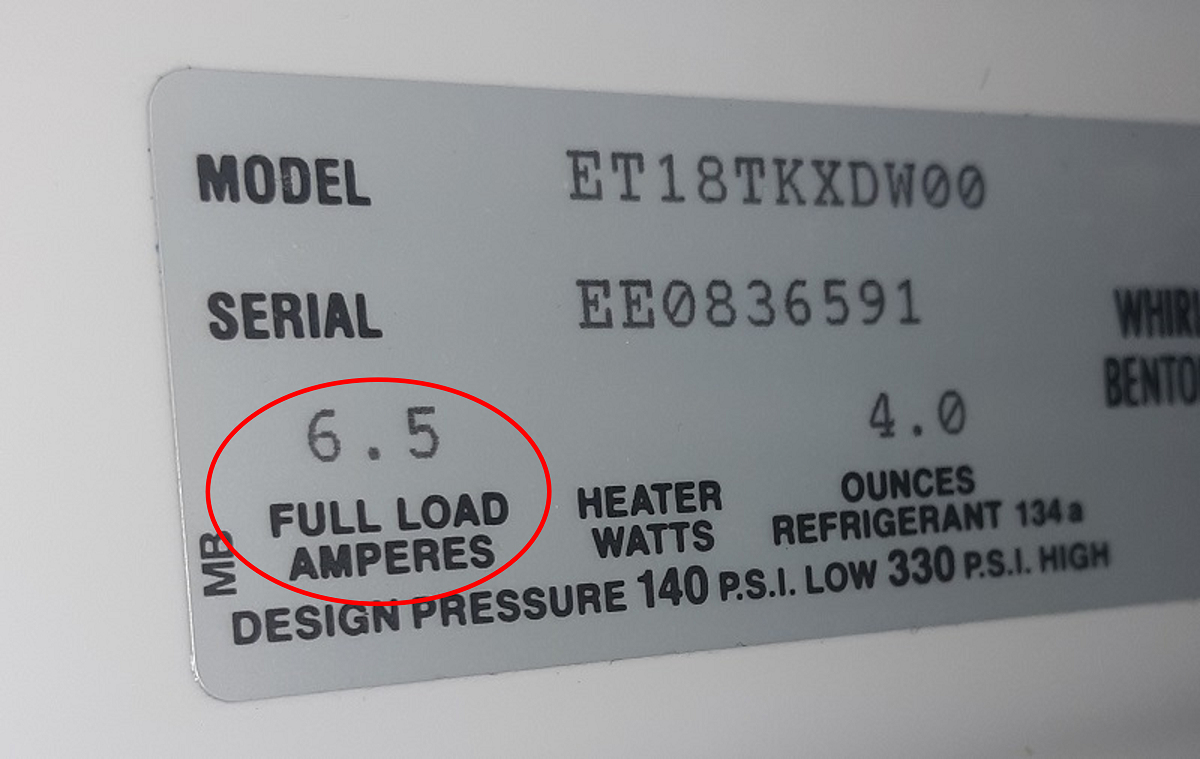
Alright, drumroll please! The answer, like with many things in life, isn't a single, neat number. It depends. But generally speaking, a typical modern refrigerator will draw anywhere from 3 to 6 amps when its compressor is actively running. A smaller mini-fridge might be closer to 1-2 amps, while a super large, fancy French-door model with all the bells and whistles could occasionally peak a bit higher.
However, here's a crucial point: when the compressor starts up, it needs a momentary surge of power, often called starting amps or inrush current. This can be significantly higher, sometimes 10 to 15 amps or even more for a split second. Don't worry, though; your home's electrical system is designed to handle these tiny, quick spikes.
Why the Range? What Makes a Fridge Thirsty for Amps?
It’s fascinating how many factors play into a fridge's power appetite. It’s not just a one-size-fits-all situation. Let's break down some of the cool variables:
1. Size and Type of Fridge
This is probably the most obvious. A dinky dorm-room mini-fridge requires far less oomph than a giant side-by-side or French-door refrigerator that could practically house a small family. More space to cool, more features (ice makers, water dispensers), means more amps.
2. Age and Efficiency
Here's where it gets interesting! Older fridges are notorious energy hogs. They weren't built with the same energy-saving tech as today's models. A fridge from the 90s might guzzle 5-8 amps or even more consistently, while a brand-new Energy Star certified model is designed to be super efficient, sipping power more carefully, often staying in that 3-5 amp range.

3. Compressor Activity
Your fridge doesn't run its compressor 24/7. It cycles on and off to maintain the temperature. When the compressor kicks on, it draws more amps (the "running amps"). Once it's chugging along and the inside is nice and cold, it might draw slightly fewer, or even cycle off completely for a while, drawing almost nothing (except for a tiny bit for lights and controls). So, a fridge that’s always being opened, or is stuffed with warm groceries, will work harder and draw more amps more often.
4. Ambient Temperature
If your fridge is living its best life in a cool, air-conditioned kitchen, it doesn't have to work nearly as hard as one sweating it out in a hot garage during summer. The hotter the surrounding environment, the harder the compressor has to run to keep things chilly inside, and thus, the more amps it will draw.
5. How Full It Is (Kind of a Myth Buster!)
You might have heard that a full fridge is more efficient. This is partly true! While a fridge full of room-temperature food will make the compressor work harder initially, once everything is cold, a full fridge retains its cold better than an empty one. The cold food and drinks act as a thermal mass, helping to keep the temperature stable, meaning the compressor doesn't have to cycle on as often. So, while it might draw similar amps when running, it runs less frequently, saving overall energy.
Why Is This Information Cool (and Useful)?
Knowing your fridge's amp draw isn't just for trivia night. It's actually pretty handy!
1. Circuit Safety
Every electrical circuit in your home has a limit (usually 15 or 20 amps). Plugging too many high-amp appliances into one circuit can trip a breaker. Knowing your fridge's draw helps you understand why you shouldn't plug your fridge, toaster oven, and microwave into the same outlet strip!
2. Generator Sizing
If you're planning for power outages and thinking about a backup generator, knowing your fridge's starting amps is crucial. You need a generator that can handle that initial surge, otherwise, your food might be in jeopardy!
![Mini Fridge Amps Revealed [1494+ Units | Startup & Lowest Draw]](https://ecocostsavings.com/wp-content/uploads/2023/04/mini-fridge-amperage-and-start-up-amps-example.jpg)
3. Energy Efficiency & Cost
Understanding amp draw helps you grasp why newer, Energy Star appliances are worth the investment. They're designed to draw fewer amps (and thus fewer watts) over time, saving you money on your electricity bill.
Your Fridge: A Silent, Sipping Guardian
So, there you have it! Your fridge isn't just a big, cold box. It's a marvel of engineering, quietly drawing just enough electrical current to keep your perishables perfect. It usually sips between 3 to 6 amps, but can take a bigger gulp for a split second when starting up, or when it’s working extra hard.
Next time you open that door for a refreshing drink, give a little nod to the electrical current that's making it all possible. It’s a pretty cool example of how even the most mundane household items have a fascinating electrical story to tell!