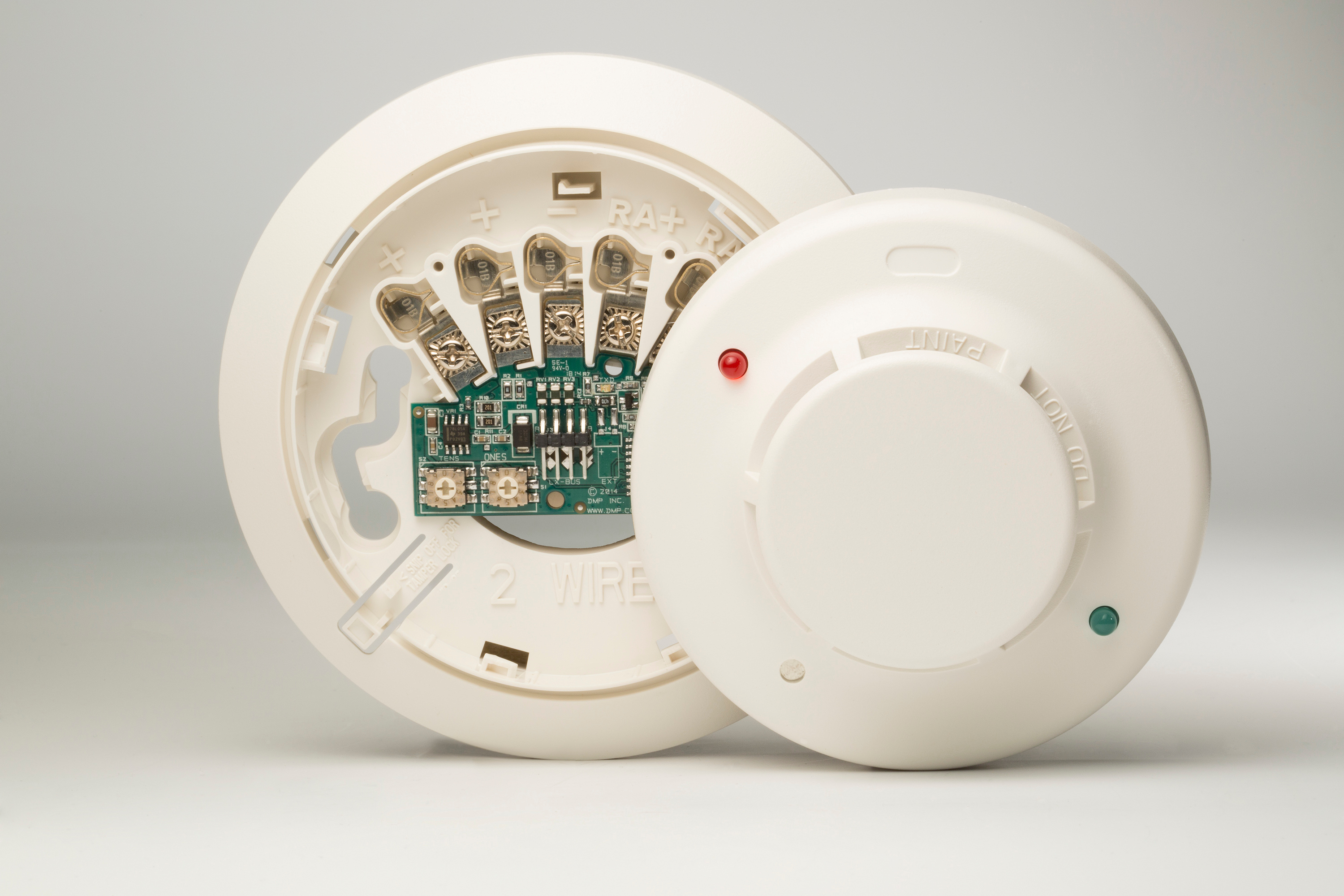
How Long To Carbon Monoxide Detectors Last

Alright, let's talk about those quiet little superheroes hanging out in your home – your carbon monoxide detectors! They're like the ninja guardians of your indoor air, silently sniffing out trouble while you’re busy living your best life. We all know they're important, but have you ever found yourself wondering, "Hey, how long do these trusty little gadgets actually stick around for?"
It’s a fantastic question, and honestly, it’s one of those things that often gets overlooked. We put them up, maybe give them a quick wave, and then they just… exist. Until, that is, they start doing their little song and dance. So, let’s peel back the curtain, shall we? Get ready for some enlightening, easy-breezy info that’ll make you feel like a home-safety superstar!
The Big Reveal: How Long Do They REALLY Last?
Drumroll please… Most carbon monoxide detectors have a typical lifespan of about 5 to 7 years. Some might stretch it to 10 years, but that's like hitting the jackpot in the CO detector lottery. Think of it like a beloved pet, but instead of chasing squirrels, it’s constantly keeping an eye (or nose!) on the air quality. These devices aren't built to last forever, and for very good reasons we'll dive into with a skip in our step.
Must Read
Now, you might be thinking, "Just 5 to 7 years? My old couch has lasted longer!" And you know what? That's fair! But your couch isn't tirelessly working to detect an invisible, odorless, tasteless gas that can be super dangerous. Your couch is just… being a couch. And we love it for that! Your CO detector, however, is a high-tech sensor marvel.
Why Can't My Detector Be Immortal?
Great question! The magic inside your carbon monoxide detector is a specialized sensor. Over time, like any dedicated worker, this sensor can get a little tired. It’s like a tiny, vigilant nose that’s constantly on duty. This sensitive component can degrade, lose its precision, or simply wear out with age. It's not faulty design; it's just the natural course of things for sophisticated electronic sensors.
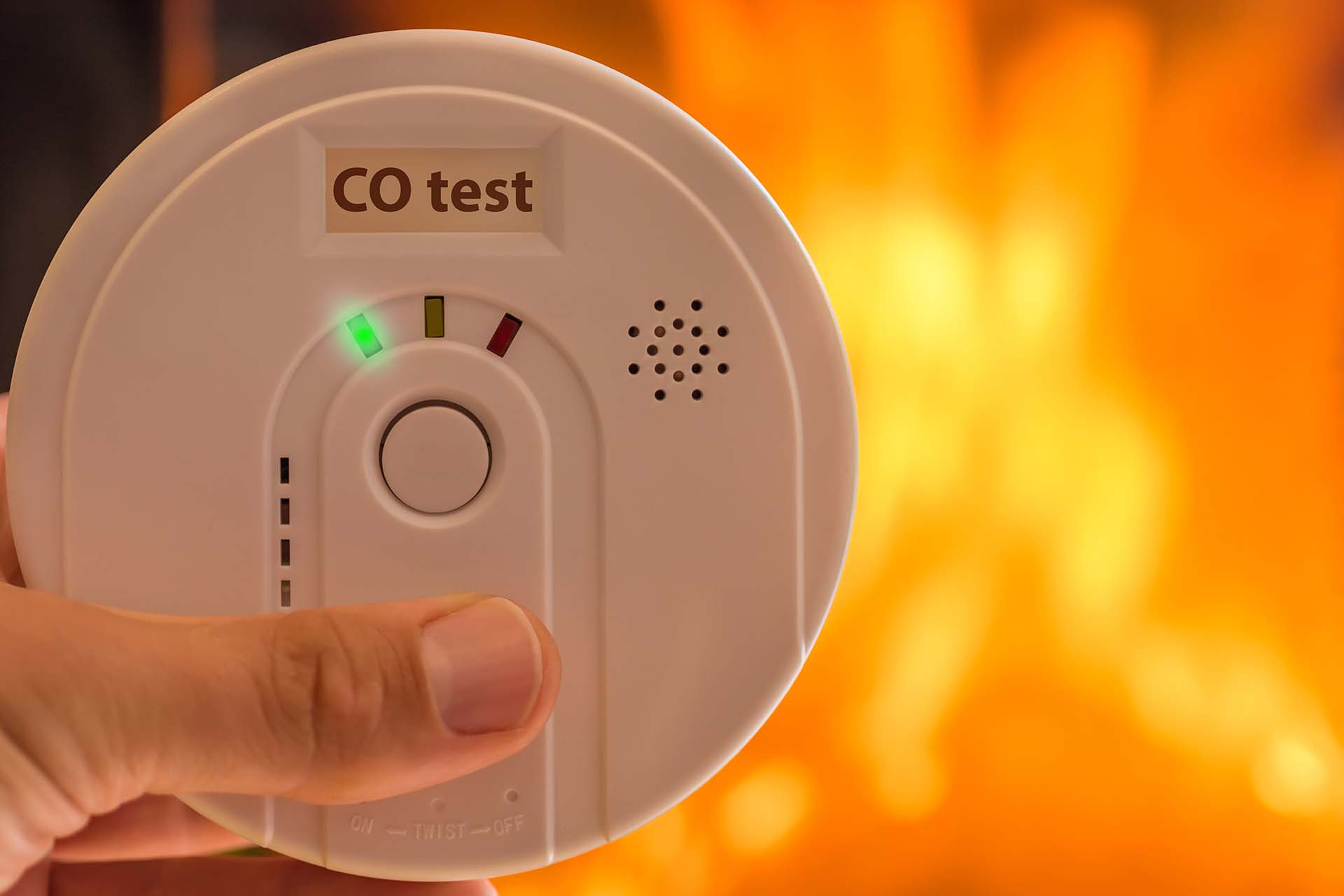
Imagine your favorite pair of sneakers. They start off super bouncy and ready for anything. But after countless walks, runs, and maybe a spontaneous dance-off, they lose their spring, right? They still look like sneakers, but they're not quite performing at their peak. Your CO detector is similar. It might look perfectly fine on the outside, but the inside bits that truly matter are experiencing their own little wear and tear.
"Your carbon monoxide detector isn't just a gadget; it's a tireless, tiny guardian whose internal superhero powers have a natural expiration date!"
How to Be a Detector Detective: Checking for the "Expiry" Date
This is the fun part! You don't need a magnifying glass or a secret decoder ring. Most carbon monoxide detectors have their expiration date printed right on the back or side. It's often labeled as "Replace By," "End of Life," or something equally clear. It’s like finding the "best by" date on your favorite snack – easy to spot once you know where to look!
Take a moment, grab a step stool if needed, and give your detector a friendly little flip or twist. You might be surprised at what you find! If it's a combo smoke and CO detector, it might have two dates, so check for the specific CO part.
The Chirp, Chirp, Hooray! (Or Uh-Oh)
Beyond the expiry date, your detector might give you a heads-up in another way: the dreaded (or celebrated!) chirp. If your detector starts chirping intermittently, and it’s not an alarm for CO, it often means its battery is low or, more importantly, that the unit itself has reached its end of life. It's like a tiny, persistent canary letting you know it's time for a well-deserved retirement party!
Don't ignore that chirp! It's not being rude; it's trying to save the day (again). If changing the batteries doesn't stop the chirping, or if it specifically indicates an "end of life" signal (check your user manual for what that looks like), then congratulations! You've just discovered it’s time for a fresh new guardian to take its place.
Time to "Retire" and Replace!
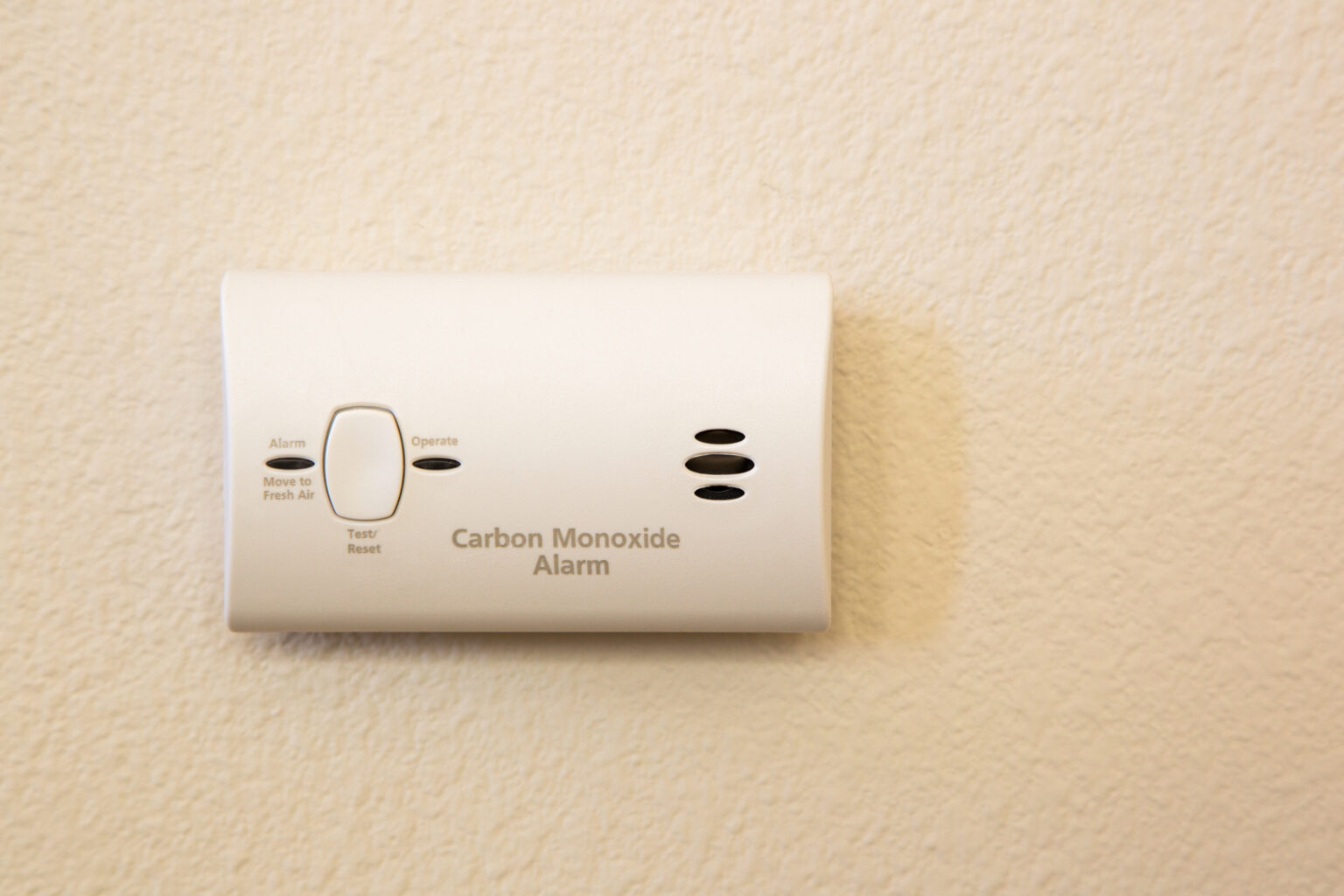
So, you’ve checked the date, maybe heard a friendly chirp, and now you know your trusty CO detector has served its time. What's next? It's time to replace it! This isn't a chore; it's an act of self-love for your home and everyone in it. Think of it as upgrading your home's personal bodyguard to the latest, greatest model. It’s quick, it’s easy, and it brings a fantastic surge of peace of mind.
Replacing your carbon monoxide detector is one of the simplest, most impactful ways to keep your living space safe. Don't let an expired unit give you a false sense of security. A new detector means a fresh, highly responsive sensor ready to spring into action if needed.
So go ahead, check those dates, listen for those chirps, and give your home the gift of vigilant protection. You're not just buying a device; you're investing in safety, comfort, and the ability to sleep soundly knowing your silent guardian is wide awake and ready for anything!