
How Long Does It Take To Freeze Water

Ever wondered how long it actually takes to freeze water? Like, you're staring into the freezer, willing that ice to form faster so you can finally enjoy that perfectly chilled beverage. Well, buckle up, because we're diving into the fascinating (and sometimes frustrating) world of frozen H2O!
The Big Chill: Factors at Play
So, there's no magic "freeze water in exactly X minutes" rule. Sorry to burst your bubble (or rather, your ice cube!). Several things play a role in this icy equation.
Temperature Tango
This one's a no-brainer: the colder your freezer, the faster the freeze. Think of it like trying to convince your cat to do something it doesn't want to – the more enticing the treat (lower temperature), the quicker they'll cooperate (freeze!).
Must Read
A typical freezer hovers around 0°F (-18°C). At this temp, water's generally pretty motivated to turn into ice. Crank it up a few degrees, though, and you're entering procrastination territory.
Water Volume: Size Matters (in this Case)
A tiny ice cube will freeze much faster than a gallon jug. It's all about surface area. The more surface area exposed to the cold air, the quicker the heat can escape, and the faster it freezes. Imagine trying to cool down a single pea versus a whole bowl of peas – which one cools faster?
So, if you're in a rush, opt for those cute little ice cube trays instead of trying to freeze a whole watermelon. Trust me, your thirst will thank you!
Water's Starting Temperature: From Warm to Winter Wonderland
Hot water needs to cool down before it can even think about freezing. That's just basic science. You wouldn't expect someone to run a marathon without warming up, would you?

The closer your water is to freezing, the less work the freezer has to do. Think of it as giving your freezer a head start. Plus, putting hot things in your freezer can actually raise the overall temperature, slowing down the freezing process for everything else. Oops!
The Container Conundrum: What's Holding You Back?
The material of your container also matters. Metal containers conduct heat much better than plastic ones. That means water in a metal container will generally freeze faster.
It's like choosing the right outfit for a workout. Breathable materials help you cool down faster, just like metal helps water freeze faster. So, if you're really impatient, ditch the plastic and embrace the metal!
The Great Ice-pectations: Real-World Timelines
Ice Cubes: The Speedy Gonzales of Freezing
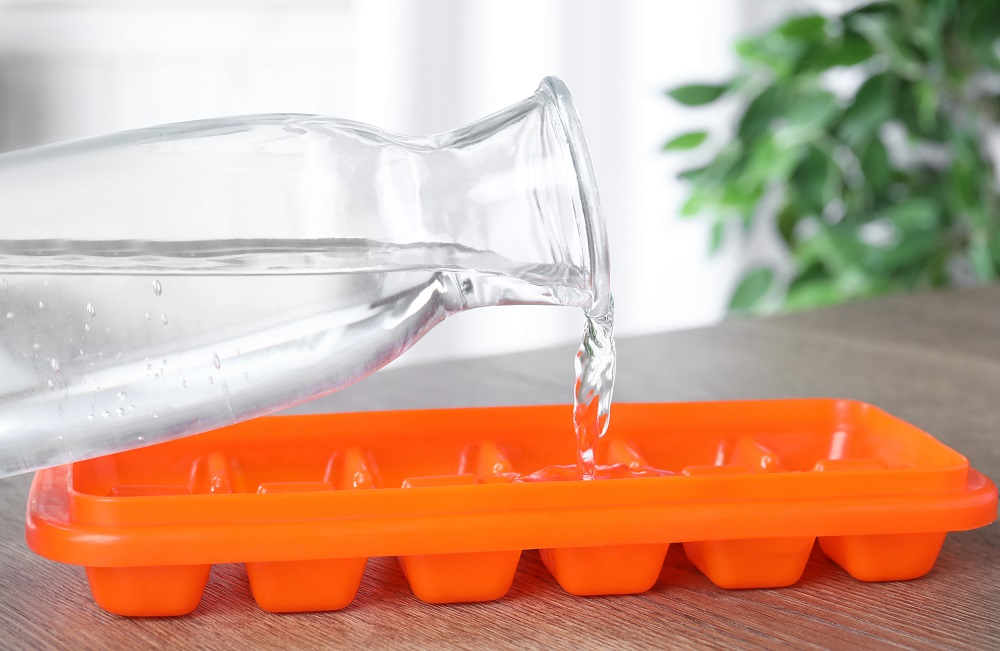
Good news for impatient ice-lovers! Ice cubes are generally pretty quick to freeze. Expect them to be solid in about 1-3 hours in a typical freezer.
That's plenty of time to binge-watch an episode (or three) of your favorite show while you wait. Just resist the urge to open the freezer every five minutes to check on them – that'll just slow things down!
Water Bottles: A Slightly Longer Wait
A standard water bottle (around 16-20 ounces) can take anywhere from 2-5 hours to freeze completely. This depends heavily on the starting temperature of the water and the efficiency of your freezer.
Pro-tip: don't fill the bottle all the way to the top! Water expands when it freezes, and you don't want a watery explosion in your freezer. Leave some breathing room, or you might end up with an icy mess to clean up.
Larger Containers: Patience is a Virtue
Freezing larger quantities of water, like a gallon jug, can take significantly longer. We're talking 8-12 hours, or even longer depending on the factors we've already discussed. So plan ahead!
This is where that whole "patience is a virtue" thing really comes into play. Consider it a test of your willpower. Can you resist the urge to crack open that lukewarm beverage while you wait for the frozen goodness to materialize?
Speeding Up the Freeze: Tips and Tricks
Divide and Conquer
Instead of trying to freeze one large container of water, divide it into smaller containers. More surface area equals faster freezing. It's the same principle as chopping vegetables into smaller pieces for faster cooking.

Think of it as deploying a team of ice-makers instead of relying on a single, overworked hero. Teamwork makes the dream work, even in the world of freezing water!
Strategic Placement
Place your water in the coldest part of your freezer. Usually, this is near the back or bottom. Avoid placing it near the door, where the temperature fluctuates more.
It's like giving your water a VIP pass to the coolest spot in the house. Treat your water right, and it'll reward you with speedy freezing!
Salt is Not Your Friend (Unless You're Making Ice Cream)
Contrary to popular belief, adding salt to water actually lowers its freezing point. This means it will take longer to freeze, not shorter. Save the salt for your homemade ice cream experiments (which, by the way, is a completely different freezing process!).
Unless you're deliberately trying to keep water from freezing (like on icy roads), steer clear of the salt shaker. Trust us on this one.

The Mpemba Effect: A Baffling Exception?
Okay, things are about to get a little weird. There's a phenomenon called the Mpemba effect, which suggests that sometimes, under certain specific conditions, hot water can freeze faster than cold water.
Scientists are still debating the exact reasons behind this, and it's not something you're likely to observe in your everyday freezer. So, while it's a fun fact to impress your friends with, don't count on it to magically speed up your ice-making process.
In Conclusion: The Icy Truth
So, how long does it take to freeze water? The answer, as you've probably gathered, is "it depends!" But with a little knowledge and a few strategic tweaks, you can definitely optimize your freezing game.
Now go forth and conquer your thirst with perfectly frozen water! And remember, a little patience (and a well-functioning freezer) goes a long way. Happy freezing!
"The best way to observe a frozen object is to sit as close to it as possible with really cold eyes." - Werner Herzog (Probably not, but it sounds like something he'd say.)