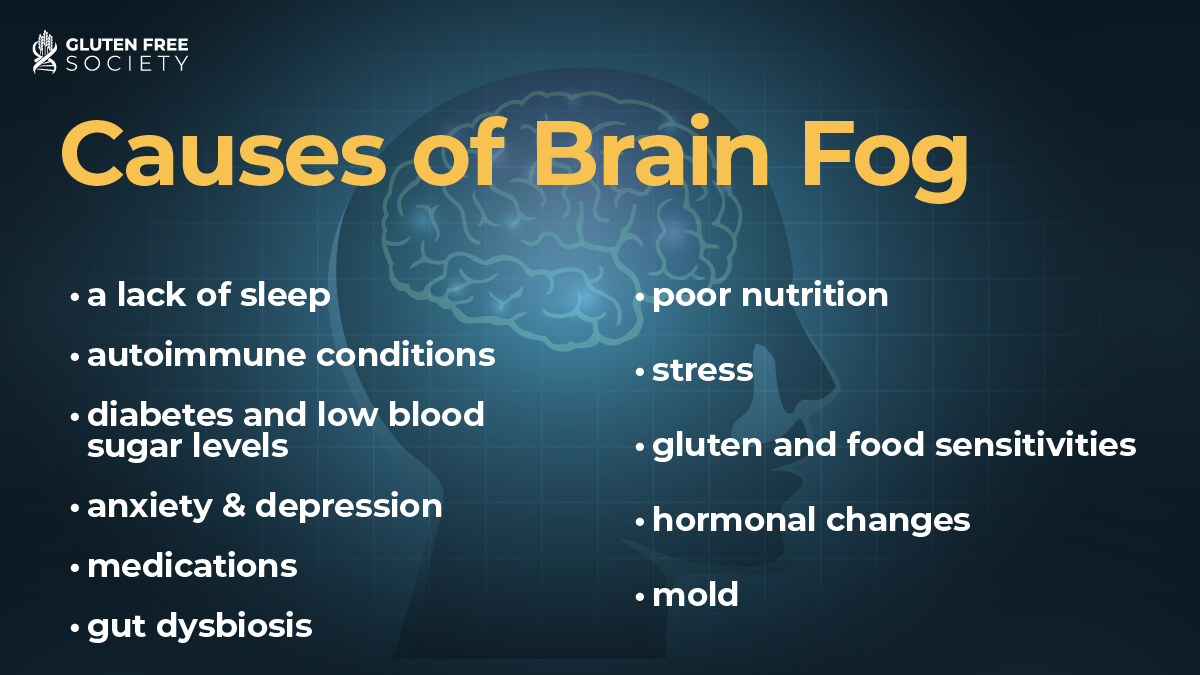
How Long Does Gluten Brain Fog Last

Ever feel like your brain is wading through molasses after demolishing a pizza? Like you're wearing a thinking cap made of cotton candy? You might be experiencing something commonly called "gluten brain fog." But what exactly is it, and perhaps more importantly, how long does this mental haze actually last? Let's dive in!
Gluten, the protein found in wheat, rye, and barley, gets a lot of flack these days. And for good reason! For some people, consuming gluten triggers a whole host of uncomfortable symptoms, from digestive woes to skin rashes. But brain fog? That sounds a little... out there, right? Actually, it's surprisingly common. Think of it as your brain staging a little protest against the gluten invasion.
What's the Deal with Gluten Brain Fog Anyway?
Okay, so we know gluten can be a troublemaker. But how does it actually cloud up your mental processes? Well, the exact mechanisms are still being investigated, but there are a few leading theories.
Must Read
One popular idea is that gluten sensitivity triggers inflammation. When your body reacts to gluten, it can release inflammatory chemicals that affect the brain. Imagine your brain cells trying to have a coherent conversation while a tiny, microscopic rave is happening next door. Not exactly conducive to clear thinking, is it?
Another theory points to gut health. You've probably heard that the gut is like the "second brain." There's a constant communication highway between the two. If gluten is messing with your gut bacteria and causing digestive distress, it can absolutely impact your cognitive function. Think of it like trying to drive across the country with a flat tire – you might get there, but it's going to be a bumpy, slow, and frustrating ride.

And finally, some researchers believe that gluten sensitivity can impact the production of certain neurotransmitters, the chemical messengers in your brain. If your neurotransmitters are out of whack, it can lead to difficulty concentrating, memory problems, and that general "foggy" feeling.
So, How Long Are We Talking? The Million-Dollar Question!
Alright, let's get down to brass tacks. How long can you expect to be wandering in the mental wilderness after a gluten-filled indulgence? Unfortunately, there's no one-size-fits-all answer. It depends on a few factors:
- The amount of gluten you consumed: A tiny crumb of bread is likely to have a lesser impact than a triple-decker sandwich.
- Your individual sensitivity: Some people are incredibly sensitive to even trace amounts of gluten, while others can tolerate small amounts without issue.
- Your overall health and gut health: A healthy gut and a strong immune system may be able to bounce back faster.
However, as a general guideline, gluten brain fog can last anywhere from a few hours to several days. Yes, days! For some particularly sensitive individuals, it can even linger for a week or more. Imagine feeling like your brain is stuck in slow motion for an entire week! Yikes.

Think of it like a hangover. The more you drink, the worse the hangover. And some people just get worse hangovers than others, no matter what. Gluten brain fog is similar. It’s all about the dosage and your individual susceptibility.
What Can You Do to Clear the Fog?
Okay, so you accidentally ate some gluten and now you're feeling like you're walking through peanut butter. What can you do to speed up the clearing process? While there's no magic cure, here are a few things that might help:

- Drink plenty of water: Staying hydrated is always a good idea, and it can help flush out toxins and reduce inflammation.
- Get some rest: Your brain needs time to recover.
- Eat a healthy diet: Focus on nutrient-rich foods like fruits, vegetables, and lean protein. Avoid processed foods, sugar, and other potential inflammatory triggers.
- Try gentle exercise: A walk in nature can do wonders for both your physical and mental well-being. But avoid anything too strenuous, as it could exacerbate inflammation.
The Bigger Picture: Listening to Your Body
The experience of gluten brain fog highlights a really important point: the powerful connection between what we eat and how we feel. Our bodies are constantly sending us signals, and it's up to us to listen and interpret them.
If you suspect that gluten might be the culprit behind your brain fog, consider keeping a food journal and tracking your symptoms. Talk to your doctor or a registered dietitian about getting tested for gluten sensitivity or celiac disease. Experimenting with a gluten-free diet, under professional guidance, might be the key to unlocking a clearer, sharper, and more vibrant you.
Ultimately, understanding how long gluten brain fog lasts is less about a precise timeline and more about developing a deeper awareness of your own body and its unique responses. So, listen closely, pay attention, and treat your brain with the respect it deserves! Who knows, you might just discover a whole new level of mental clarity waiting on the other side of that gluten-free fence.