How Long Does A Plastic Septic Tank Last
Alright, let's talk about something that might not sound glamorous at first, but is a total unsung hero of many homes: the septic tank! Specifically, we're diving into the durable, lightweight, and surprisingly fascinating world of plastic septic tanks. If you own a home with one, or are considering buying one, you've probably wondered about its longevity. It's a hugely popular question because, let's be honest, nobody wants unexpected underground drama! Knowing how long this vital piece of infrastructure lasts is key to smart homeownership, saving you headaches and hefty repair bills down the line.
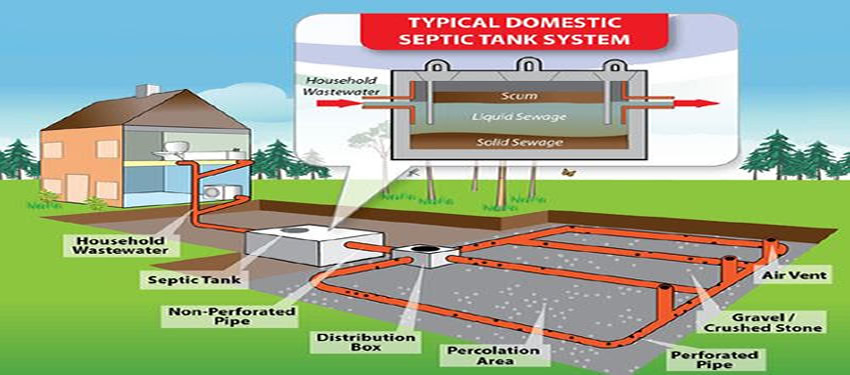
So, what exactly does a septic tank do? Think of it as your own personal, mini wastewater treatment plant, right there in your backyard! It separates solids from liquids, allowing the treated wastewater to safely disperse into your drain field. Plastic septic tanks have become incredibly popular over the last few decades, and for good reason. They're typically made from high-density polyethylene (HDPE), making them incredibly resistant to corrosion – a huge advantage over older steel tanks that could rust away. They're also much lighter than concrete tanks, which means easier, often less expensive, installation. Plus, their seamless design helps prevent leaks, making them a reliable and environmentally friendly choice.
Now, for the million-dollar question: How long does a plastic septic tank actually last? Drumroll, please... Generally, a well-manufactured plastic septic tank can last anywhere from 20 to 40 years, and often even longer! Yes, you read that right. With proper care and a bit of luck, some can even surpass the 50-year mark. That's a serious lifespan for something you rarely see!
Must Read
However, that impressive number isn't just a given. Several factors play a crucial role in determining how long your tank will serve you faithfully. The most important? Proper installation. A tank that's correctly bedded and backfilled, without undue pressure from the surrounding soil or traffic above, is built for endurance. Beyond that, regular maintenance is paramount. This means pumping your tank every 3-5 years, depending on household size and usage, to remove solids and prevent sludge buildup. Avoiding harsh chemicals, excessive grease, and non-biodegradable items (like wipes or feminine products) going down your drains will also significantly extend its life. These small habits prevent blockages and stress on the system.
Environmental conditions like extreme frost or shifting ground can also impact longevity, though plastic's flexibility often makes it more resilient than rigid materials. Ultimately, a plastic septic tank is a fantastic, long-lasting investment for your home. Treat it right with good installation and consistent maintenance, and you'll enjoy decades of worry-free wastewater management!