
How Long Does A Honeywell Thermostat Last
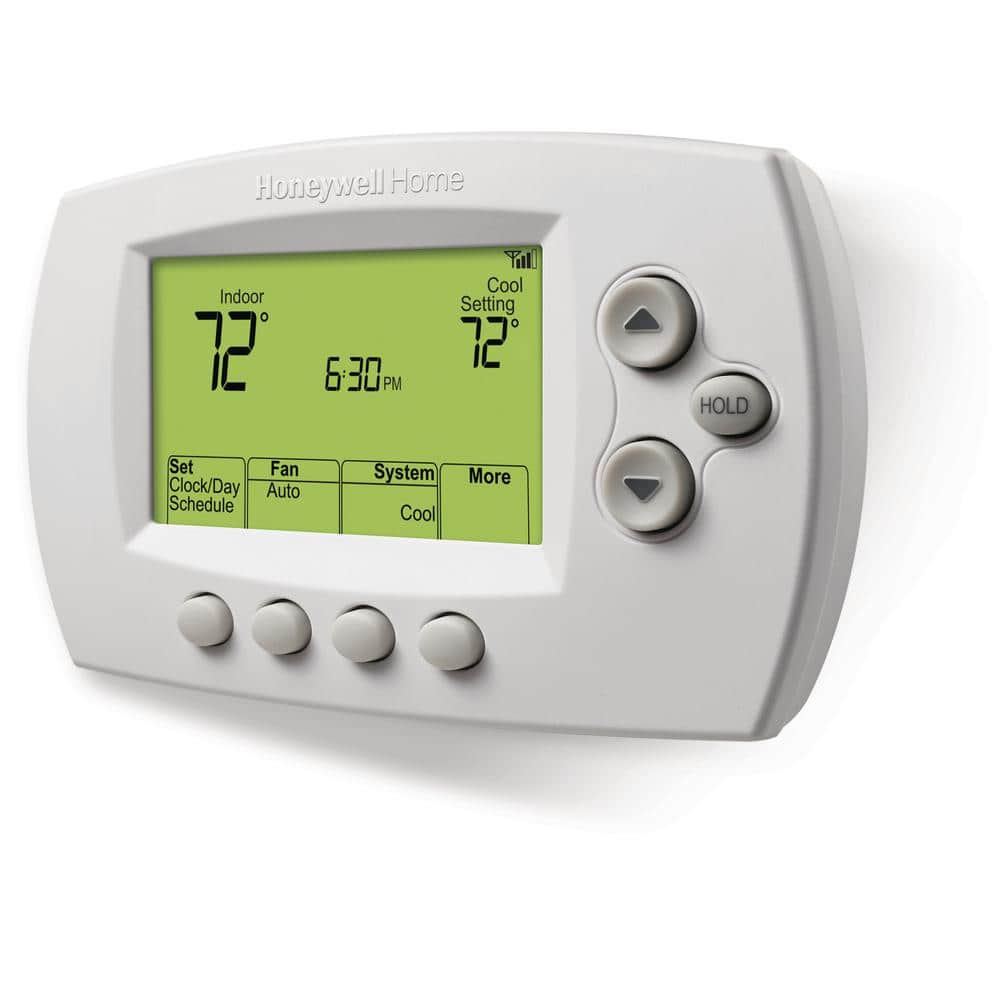
Ever stop to really look at your thermostat? It’s often just there, a quiet, unassuming sentinel on your wall, faithfully maintaining your home’s comfort without much fanfare. But have you ever paused to wonder about its own lifespan? Especially if it’s one of those ubiquitous Honeywell models?
Honeywell thermostats are a bit like the trusty old friend who’s always there, reliably doing their job without complaint. They’ve been around for ages, gracing millions of homes. So, it's natural to be a little curious: how long does a Honeywell thermostat actually last? Is it a fleeting gadget, or a marathon runner in the world of home electronics?
The Short Answer (and the Not-So-Short Answer!)
Alright, let's cut to the chase: Most Honeywell thermostats are designed to last a good, long while. We’re often talking anywhere from 10 to 20 years. Yep, you read that right! In an age where smartphones feel ancient after two years, that’s pretty remarkable longevity for a piece of tech, isn't it?
Must Read
Think about it: that’s potentially two decades of consistent temperature control, day in and day out. It’s not just a number; it’s a testament to good engineering and robust design. But, like most things in life, there’s a little more to the story than just a simple number.
What Makes a Thermostat Tick (and Keep Ticking)?
Several factors play into just how long your particular Honeywell unit will keep humming along. It’s a bit like asking how long a car lasts – depends on the model, how you drive it, and if you ever change the oil!
The Simple vs. The Smart
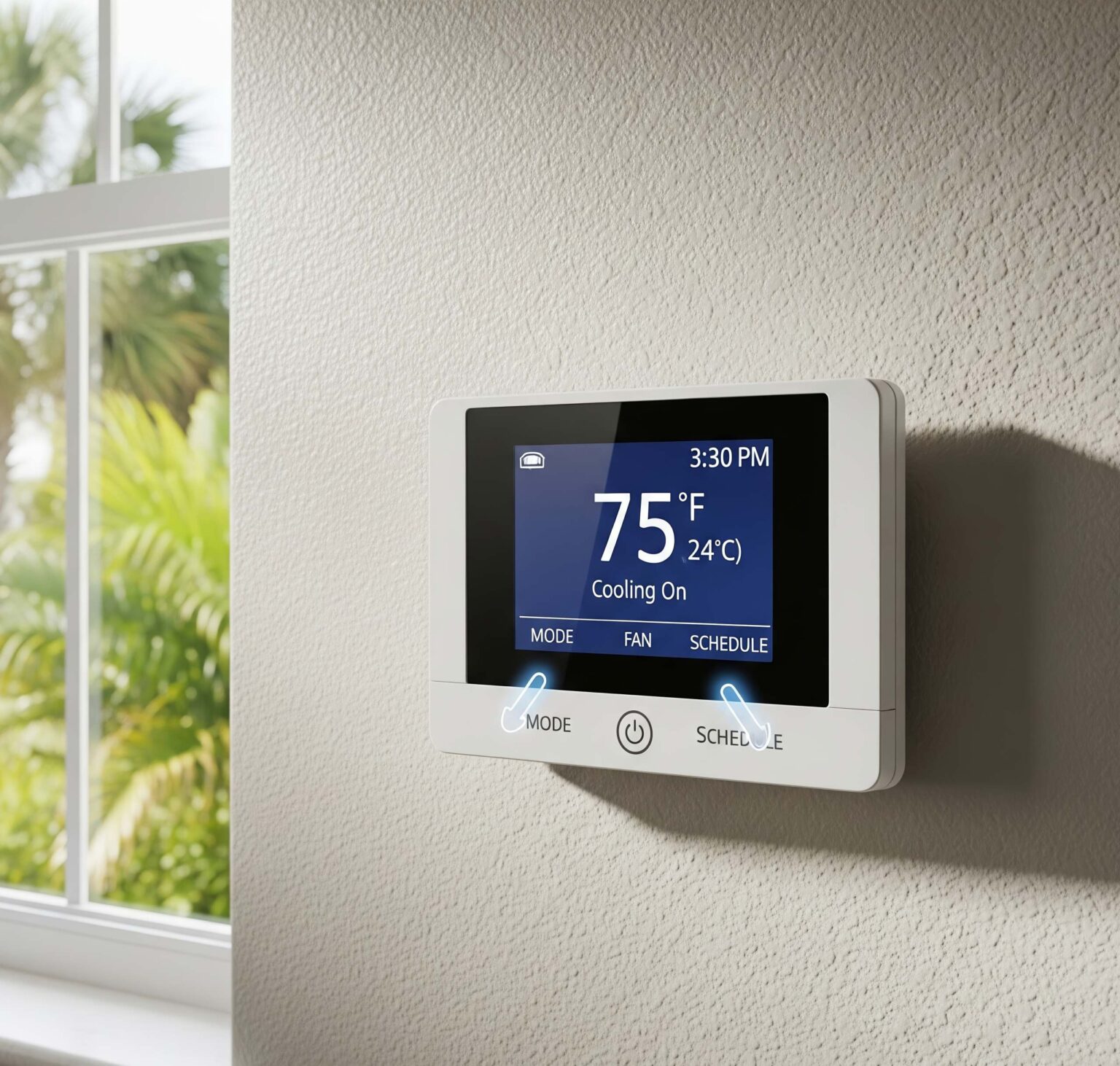
Consider the type of thermostat. A basic, non-programmable mechanical or digital model with fewer moving parts or complex electronics might actually outlive its smarter cousins. Fewer things to go wrong, right? They’re the reliable, no-frills workhorses.
On the other hand, a smart, Wi-Fi-enabled Honeywell thermostat (like the popular Lyric or T-series models) has more sophisticated components. While incredibly durable, their advanced features mean more circuit boards, sensors, and sometimes, a reliance on software updates. They might have a slightly shorter typical lifespan than a super basic model, but are still built for the long haul. Think of it as comparing a simple calculator to a laptop – both useful, but one is inherently more complex.
Environment Matters, Folks!
Where your thermostat lives makes a difference. Is it in a dusty hallway? Near a frequently used door? Pet hair, dust, and even high humidity can slowly but surely impact internal components. Keeping the area around it relatively clean and dust-free helps. It’s like giving it a little shield against the everyday elements.

Installation Quality: The Unsung Hero
This is a big one that often goes overlooked! A properly installed thermostat, wired correctly and mounted securely, has a much better chance of reaching its full potential lifespan. Poor wiring can stress components, and an unstable mount might lead to internal jostling over time. A good start makes for a long finish!
The "Hands-On" Factor
How often do you actually touch your thermostat? If you set it and forget it, there’s less physical wear and tear on buttons or touchscreens. If it’s getting constant adjustments, that interaction adds up. It’s like a remote control – the more you click, the sooner those buttons might start to feel a bit spongy.
Battery Power: A Simple Lifeline
For models that rely on batteries (many do!), regular battery changes are crucial. Don't let them run completely dry, or worse, start to leak. That corrosive gunk is a death sentence for electronics. A fresh set of AAs every year or so is a small price to pay for extended life.
Honeywell's Secret Sauce?
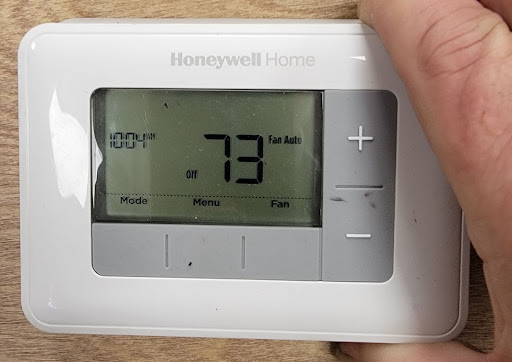
Why do Honeywell thermostats tend to last so long? A lot of it comes down to their legacy and reputation. They’ve been pioneers in home comfort for decades. This isn't some fly-by-night company; it’s a brand built on engineering prowess and manufacturing quality. They understand that a thermostat isn't just a gadget; it's a critical component of your home's comfort system, and it needs to be reliable.
They invest in durable materials and rigorous testing. It’s not just about getting it to work for a year or two; it’s about designing it to withstand the daily grind for a decade or more. Pretty cool, right?
When to Wave Goodbye (or Consider an Upgrade)
Even the most durable thermostat eventually reaches the end of its road. How do you know it’s time?
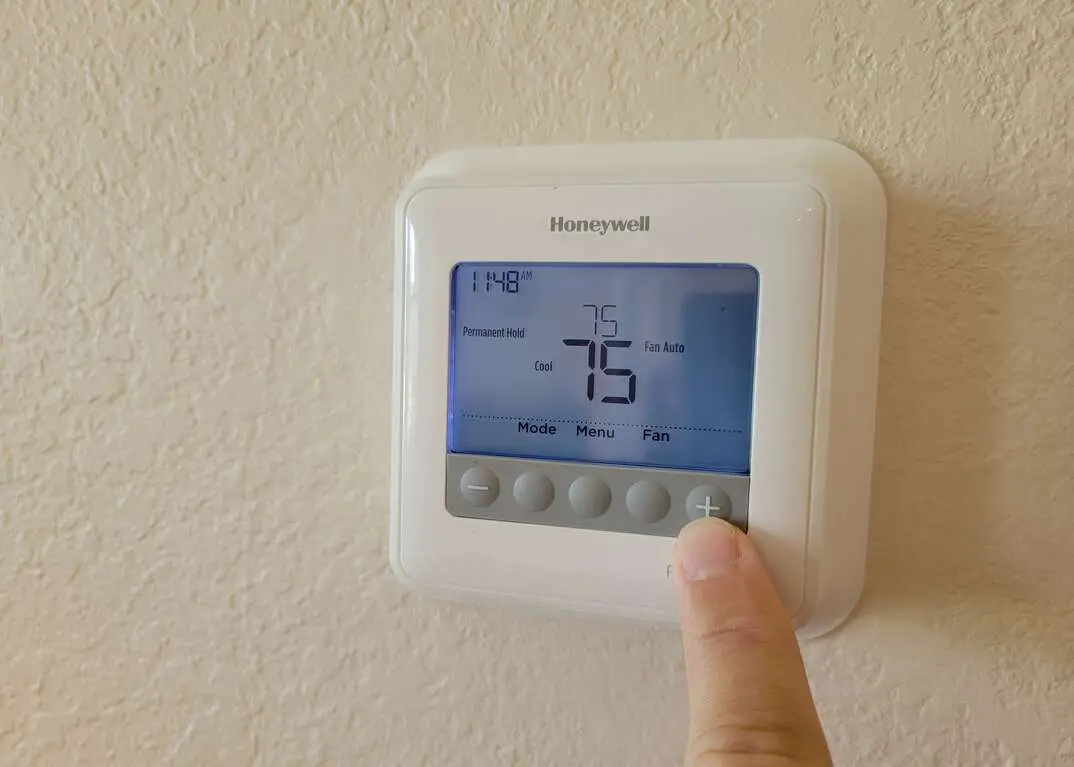
- Inconsistent Temperatures: If your home feels too hot or too cold despite your settings, something’s probably amiss.
- Unresponsive Screen/Buttons: If it’s not reacting to your touch or clicks.
- Frequent Cycling: Your heating or cooling kicks on and off too often.
- Blank Display: After changing batteries, if the screen is still dead.
- Age: If it’s pushing 15-20 years, it might simply be time for a fresh start.
Sometimes, it’s not even about failure, but about opportunity. An older, still-working thermostat might be replaced by a newer, smart model that offers energy savings, remote control via your phone, and integration with other smart home devices. It might not be dead, but it could be obsolete in terms of features and efficiency.
The Takeaway: A Long-Lasting Companion
So, how long does a Honeywell thermostat last? Generally, a really impressive 10 to 20 years, often outliving many other appliances in your home. They’re built with durability in mind, a true testament to good design and engineering.
Next time you glance at your Honeywell, give it a nod. It’s likely been a quiet, reliable workhorse, keeping your home cozy or cool for far longer than you probably ever thought possible. And with a little care, it might just surprise you with how many more years it has left in its trusty circuits.