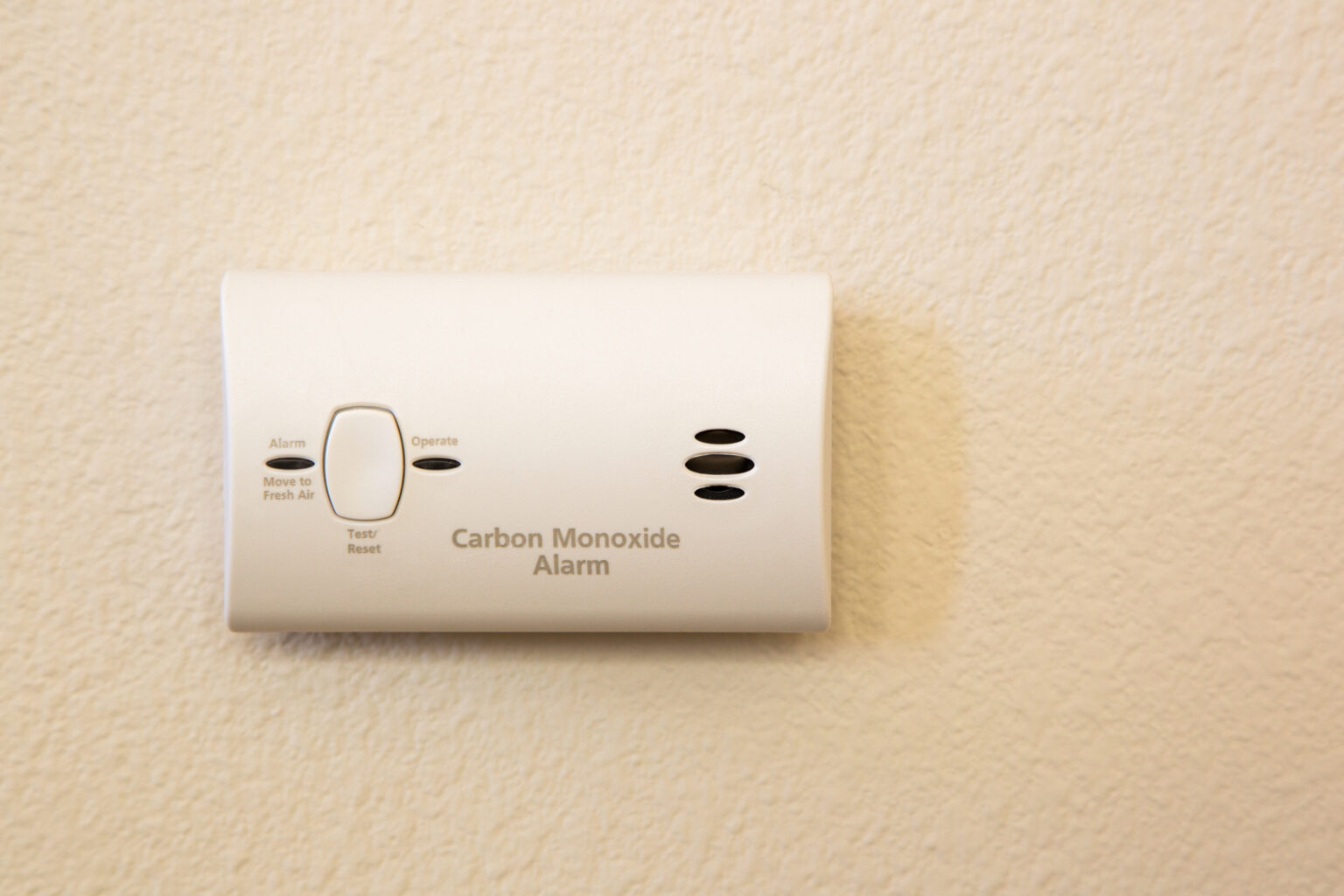
How Long Do Carbon Monoxide Detectors Last
Ever wonder about those little gadgets dotted around your home, quietly doing their job without much fuss? We often take them for granted, much like the humble smoke detector. But there's another unseen hero, an even more silent guardian, that deserves a moment in the spotlight: the carbon monoxide (CO) detector. It’s fascinating to think about how these devices, designed to protect us from an invisible threat, also have an invisible shelf life. Understanding how long they last isn't just a useful piece of information; it’s a crucial part of keeping our homes and loved ones truly safe.
So, what exactly is the big deal about carbon monoxide? Well, it’s often dubbed the "silent killer" for a very good reason. CO is a colorless, odorless, tasteless gas produced by the incomplete burning of various fuels — think furnaces, gas stoves, generators, and even car exhaust. You can't see it, smell it, or taste it, but exposure can lead to serious illness, brain damage, or even death. This is where our trusty CO detectors step in. Their primary purpose is to detect this dangerous gas before it becomes a problem, giving you an early warning to get to fresh air. The benefit is clear and profound: they literally save lives and prevent countless cases of CO poisoning, offering invaluable peace of mind.
Now, to the core question: how long do these vital protectors actually last? Unlike a sturdy piece of furniture, CO detectors aren't built to last forever. Most manufacturers, fire departments, and safety experts recommend replacing your carbon monoxide detector every five to seven years. Why the expiry date? It all comes down to the sensor inside. Over time, the chemical sensor that detects CO gradually degrades. It’s a bit like a battery slowly losing its charge, or even a carton of milk going bad – its effectiveness diminishes until it can no longer reliably do its job. An expired detector might give you a false sense of security, which is arguably more dangerous than having no detector at all.
Must Read
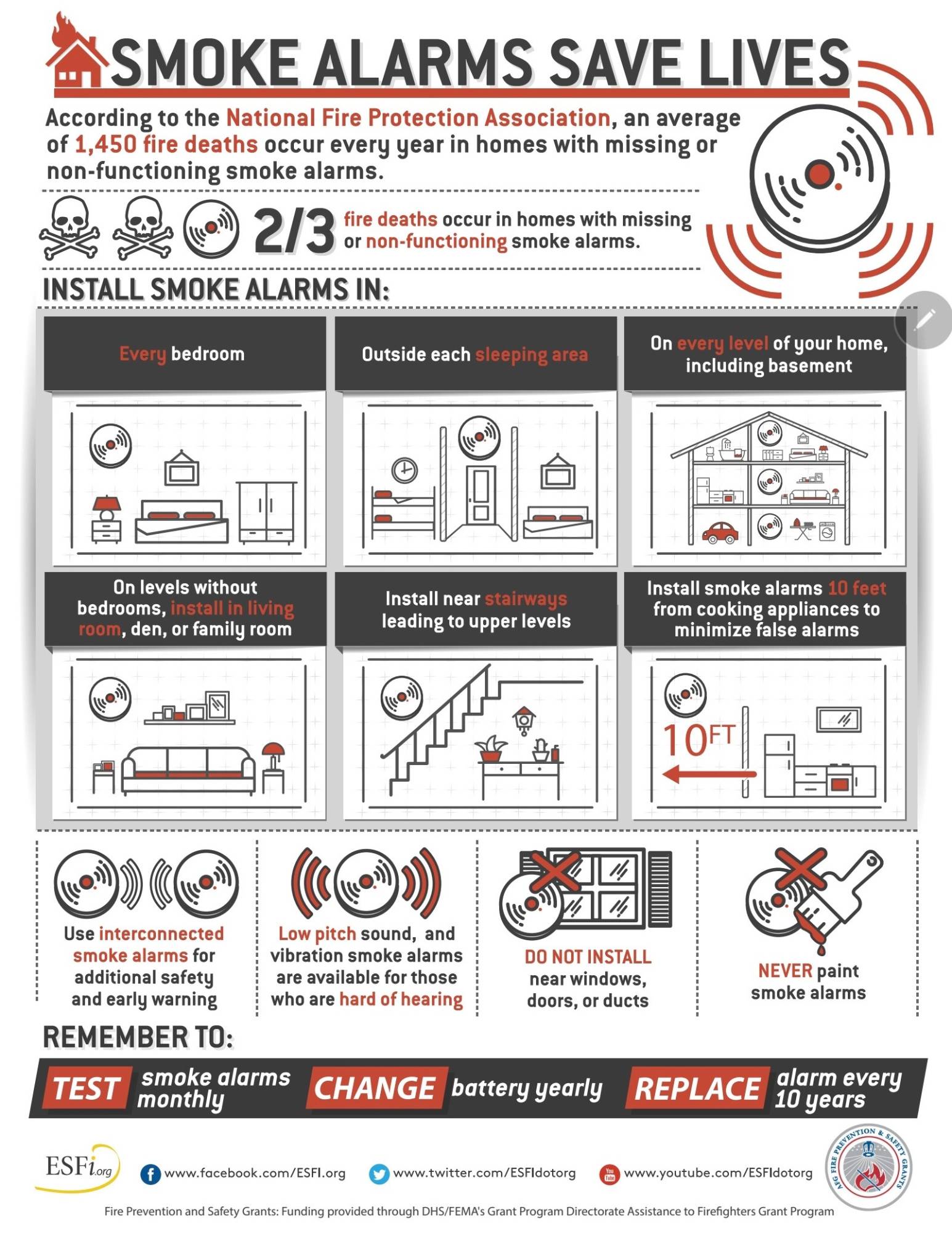
Knowing this lifespan makes maintaining home safety surprisingly simple. In daily life, make it a habit to check the expiry date on the back of your detectors. It's usually printed clearly as a "REPLACE BY" or "DO NOT USE AFTER" date. You can incorporate this into an annual home safety check, perhaps when you change the batteries in your smoke detectors or set your clocks forward/back. This can even be a fun, educational activity for families: show kids where the dates are and explain why it's important to keep these devices up-to-date. Place detectors strategically: near bedrooms, on every level of your home, and certainly outside a garage if it's attached to your living space. Remember, CO rises with warm air, so placement at chest level or higher is generally good, but always follow the manufacturer's instructions.
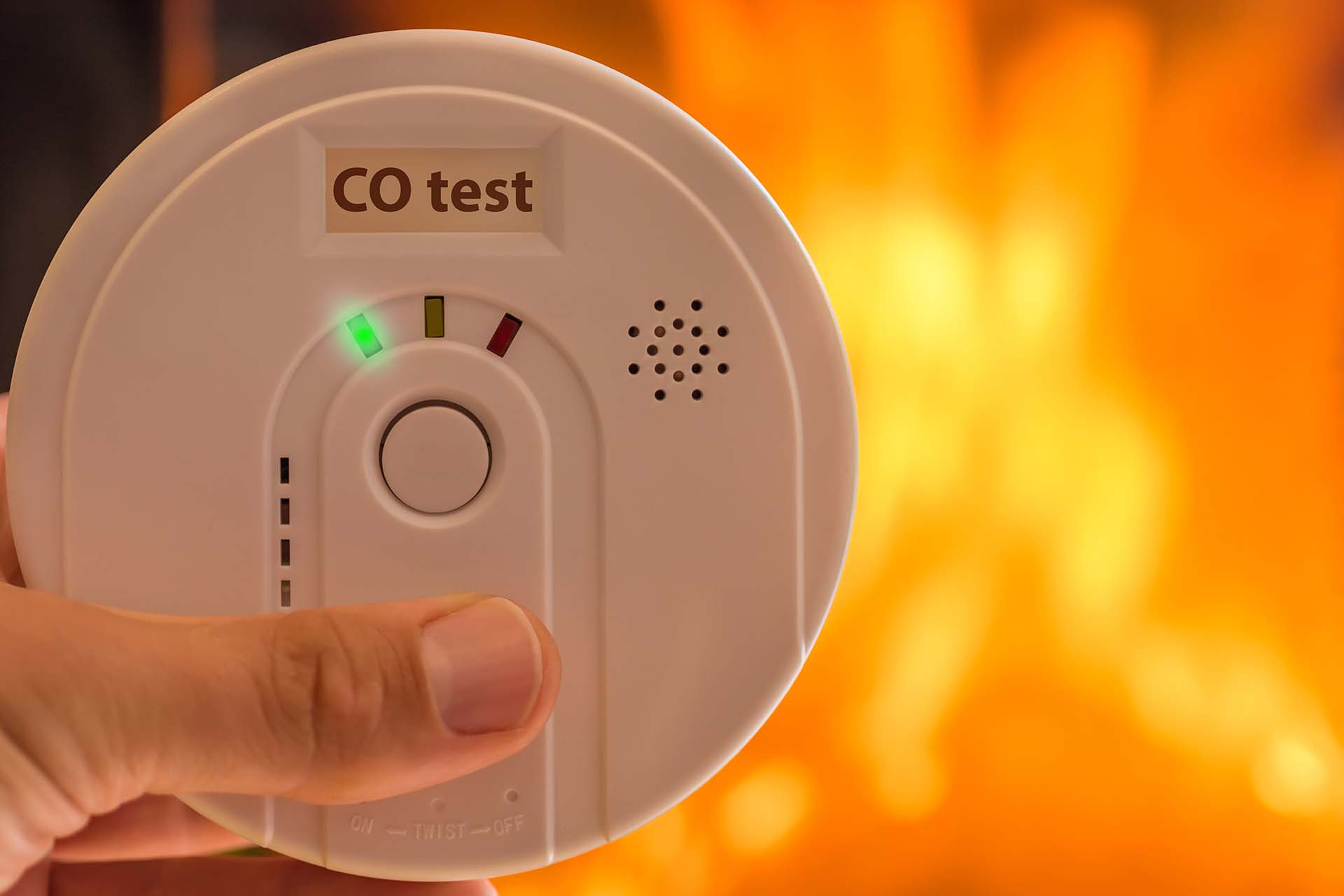
For practical tips, beyond checking the date, remember to test your CO detector monthly using its 'test' button – a quick beep confirms it has power and its alarm sounds. If it’s battery-operated, replace batteries regularly, typically every six months. If your unit has a digital display, keep an eye on it; it might show an error code or a "END" message when it’s time for replacement. Think of your CO detector as a diligent, invisible bodyguard who, while incredibly dedicated, occasionally needs to retire and be replaced by a fresh, equally vigilant recruit. Giving them this bit of attention ensures they can continue to stand guard effectively, keeping your home safe and sound.