How Long Can You Live With Afib And Kidney Failure

Okay, let's talk about something that sounds like a medical drama plot twist: Afib (atrial fibrillation) and kidney failure. Sounds scary, right? It's like your heart decided to throw a rave while your kidneys are staging a silent protest. But before you start picturing yourself hooked up to machines for the rest of your days, let's unpack this a bit. We'll try to keep it light, because honestly, medical stuff doesn't need to be heavier than it already is.
First off, I'm not a doctor. Think of me as that friend who's good at Googling things and then explaining them like you're both watching a particularly confusing episode of a medical show. Got it? Good.
So, how long can you live with Afib and kidney failure? The truth is, it's a bit like asking how long a piece of string is. It depends. Seriously. It hinges on a bunch of factors, like:
Must Read
- How severe is your Afib? Is it just a little flutter now and then, or is your heart doing the cha-cha all day long?
- How far along is your kidney failure? Are we talking early stages, or are your kidneys basically on strike and demanding a full replacement?
- Your age and overall health: Are you a spry 70-year-old who still runs marathons (okay, maybe brisk walks), or are you battling a host of other health issues?
- Your lifestyle: Do you eat your veggies, get some exercise, and avoid smoking? Or are you living on coffee and donuts, and your idea of exercise is reaching for the remote?
- Treatment: Are you getting the best possible care for both conditions? Are you diligent about taking your medications and following your doctor's recommendations?
Essentially, it's a complicated puzzle. There's no one-size-fits-all answer. Your doctor will be the best person to give you a realistic estimate based on your specific situation.
Afib: The Heart's Wild Dance
Afib is like your heart's rhythm going a little haywire. Imagine your heart is a drummer, and instead of keeping a steady beat, it's suddenly trying to play a jazz solo. Not necessarily dangerous on its own, but it can lead to problems like blood clots and stroke. Think of it as the heart's equivalent of a surprise party. Fun at first, but potentially messy if not controlled.
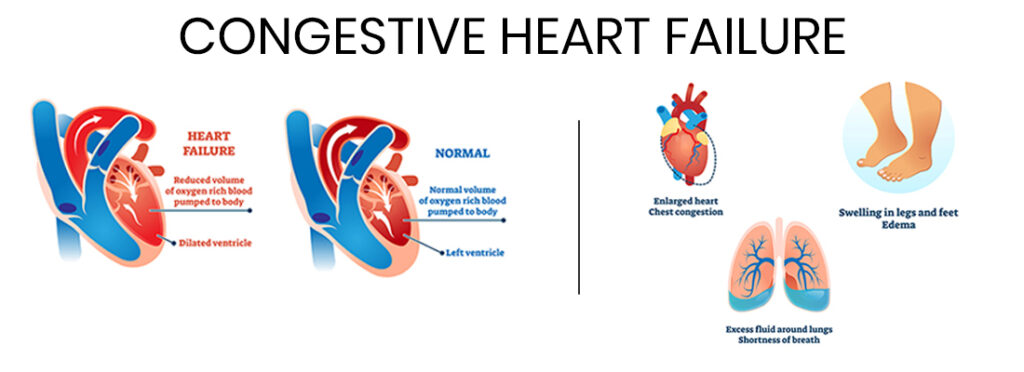
Treatment for Afib can range from medication to control the rhythm or rate, to more invasive procedures like ablation, where they basically zap the misbehaving parts of your heart back into line. Modern medicine, am I right?
Kidney Failure: The Filtration Fiasco
Now, kidney failure. Your kidneys are like the janitors of your body, filtering out waste and keeping things clean. When they start to fail, it's like the janitors went on vacation, and the garbage is piling up. This can lead to all sorts of problems, from swelling and fatigue to more serious complications.
Treatment for kidney failure can include dialysis (basically artificial kidneys that clean your blood) or a kidney transplant. Dialysis is like having to go to the car wash every few days, and a transplant is like getting a brand new engine for your car. Big commitments, but potentially life-changing.

The Interaction: A Delicate Balance
Having both Afib and kidney failure is like trying to juggle chainsaws while riding a unicycle. It's not impossible, but it requires a lot of skill and attention. Kidney failure can worsen Afib, and Afib can complicate the management of kidney failure. It's a bit of a vicious cycle.
For example, some medications used to treat Afib can be harmful to damaged kidneys, and vice versa. So, careful monitoring and close communication with your doctors are essential.

The good news? There have been significant advances in the treatment of both Afib and kidney failure. With the right care and a proactive approach, many people with both conditions can live long and fulfilling lives. Think of it as learning to juggle those chainsaws, but with the help of a professional coach and a really good safety net.
So, what's the takeaway? Don't panic! Talk to your doctor. Get a clear understanding of your individual situation. And remember, even when things feel tough, there's always hope. And maybe lay off the coffee and donuts just a little. Your heart and kidneys will thank you for it.
Take heart, keep smiling, and remember that laughter, along with a good doctor, is often the best medicine. Stay positive!