
How High Should A Carbon Monoxide Detector Be Placed

Okay, so picture this: My friend Sarah, who's basically a walking Pinterest board of home improvement, finally got around to installing a carbon monoxide detector. She bought this sleek, modern one, unboxed it with ceremony, and then, after much head-scratching and a brief wrestling match with the instructions (because, let's be real, who actually reads those first?), she mounted it. Where, you ask? Right up near the ceiling, tucked away in the corner, looking all inconspicuous and very, very high.
I walked in, admiring her DIY prowess, and then my eyes drifted upwards. "Sarah," I said, trying to sound casual, "that's... an interesting spot for a CO detector." She blinked at me. "Well, duh," she replied, "that's where the smoke detector goes, right? Carbon monoxide rises, doesn't it?"
Ah, the classic trap! And you know what? Sarah is far from alone in making that assumption. Many of us, myself included until I actually looked into it, fall into the same mental pitfall. We hear "gas" and "danger" and immediately think "it'll float to the top!" But when it comes to carbon monoxide, often dubbed the silent killer, things aren't quite so straightforward. So, let's pull back the curtain on this mystery, shall we? Because getting this right could literally save lives – yours, mine, and maybe even Sarah's, bless her well-meaning heart.
Must Read
The Great CO Detector Placement Debate: High, Low, or Somewhere in the Middle?
First off, let's tackle Sarah's core assumption. You see, smoke, with its hot air, definitely tends to rise and collect at the ceiling. That's why smoke detectors are happily perched up there, doing their vigilant work. But carbon monoxide (CO) is a different beast entirely.
Here's the science-y bit, but don't worry, I'll keep it light. CO gas has a density very, very similar to that of plain old air. At room temperature, it's actually slightly lighter than air, but not enough to make it shoot up to the ceiling like a helium balloon. Think of it less like smoke rising, and more like, well, air mixing with air. It disperses pretty evenly throughout a room, much like the scent of your morning coffee (or, less pleasantly, burnt toast) eventually fills the kitchen, no matter where it started.
.jpg?format=2500w)
So, if it doesn't dramatically rise, putting it way up high isn't necessarily the most effective strategy for early detection. And putting it on the floor? Also not ideal, though for slightly different reasons (hello, dust bunnies and accidental kicks!).
So, What's the Real Deal? Manufacturer Says...
This is where the instructions, those pesky little booklets Sarah bravely ignored, come in handy. And almost universally, manufacturers recommend placing CO detectors at chest height or lower. Generally, somewhere between waist height and about five feet off the floor is considered optimal. Why?
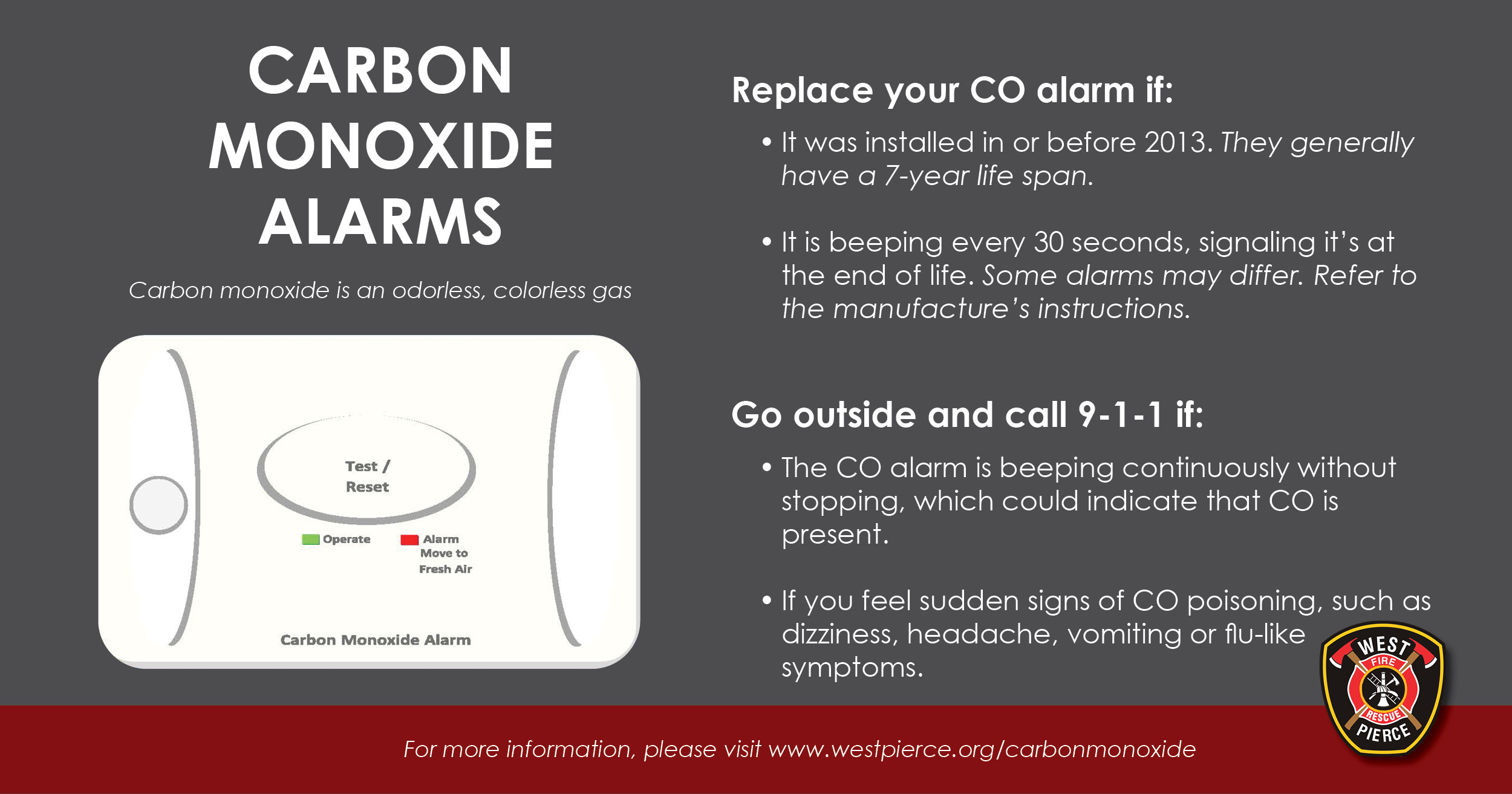
- Breathing Zone: This placement puts the detector squarely in the "breathing zone," where you and your family would be inhaling air. If CO is present, you want to know about it as soon as possible, right where it matters most.
- Sleeping Areas: Many experts suggest placing detectors near sleeping areas. If a leak occurs while you're asleep, you might not notice symptoms like headache or nausea. A detector in or near your bedroom can wake you up before symptoms become severe.
- Accessibility: At this height, it's also easier to check the battery, test the unit, or respond to an alarm. No need for a precarious chair-stacking maneuver!
Now, while height is important, placement within the home is equally crucial. Think about it: a CO detector in the garage won't help you if your furnace leaks in the basement.
Where Else Should You Place Them (Besides the Right Height)?
Don't just think vertical; think horizontal too! Here are a few must-dos:
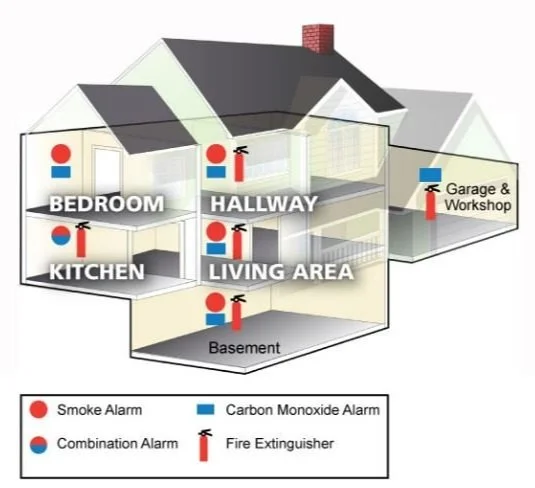
1. On Every Level: If you have a multi-story home, you need a detector on every single level. Yes, even in the basement, especially if you have fuel-burning appliances down there (furnace, water heater, etc.).
2. Near Sleeping Areas: I can't stress this enough. Ideally, place one inside or just outside each sleeping area or bedroom. Imagine the peace of mind knowing you're protected while you snooze.
3. Near Fuel-Burning Appliances: Think furnaces, water heaters, gas fireplaces. If you've got appliances that burn natural gas, propane, oil, kerosene, wood, or charcoal, you need a detector nearby. But not too close – keep a distance of at least 15-20 feet to avoid nuisance alarms from normal operation (like a brief puff of CO when your furnace kicks on).

4. Avoid These Spots: Just like Goldilocks finding the perfect bed, there are places that are "too hot," "too cold," or "too humid" for a CO detector:
- Not in direct sunlight: Extreme temperatures can affect performance.
- Not near windows, doors, or vents: Air currents can give false readings or prevent CO from reaching the sensor.
- Not in extremely dusty, dirty, or greasy areas: This can clog the sensor.
- Not in high-humidity areas: Think bathrooms or very steamy kitchens.
The Takeaway: Don't Be a Sarah (or a Me, Pre-Research!)
The bottom line is this: CO detectors are your silent guardians, but they need to be placed correctly to do their job effectively. It's not about how it looks on your wall, but about how it works when it matters most.
So, if you've got one tucked away near the ceiling, or hidden behind a curtain on the floor, maybe take a few minutes this week to give it a little relocation. Check those instructions, place it at the recommended height (around chest level), and make sure you have enough detectors for every crucial area of your home. It’s a small effort for a truly massive payoff: keeping yourself and your loved ones safe from an invisible, odorless threat. Stay curious, stay safe!