
How Far Apart Should Fence Posts Be
Alright, let's talk fences. Not the kind that metaphorically separate you from that weird neighbor who collects garden gnomes (though maybe this advice applies there too!), but the real kind. You know, the ones that keep the dog in, the kids (mostly) contained, and maybe even offer a little privacy from gnome-loving Gary next door.
And one of the most crucial, yet often overlooked, aspects of fence-building is: how far apart should those darn fence posts be?
Why Should You Even Care? (Besides Keeping Gary Out!)
You might be thinking, "Eh, close enough is good enough." But trust me, spacing your fence posts properly is like the foundation of a good relationship – if you don't get it right, things will eventually fall apart (literally!).
Must Read
Think of it like this: you wouldn't build a house with toothpicks, would you? Your fence posts are the skeleton holding everything together. Too far apart, and your fence will become a wobbly, saggy mess. Too close, and you're wasting materials and making extra work for yourself. It's all about finding that Goldilocks "just right" zone.
A poorly spaced fence also suffers aesthetically. Imagine a beautiful picket fence with uneven gaps. It's like wearing mismatched socks to a wedding – noticeable and slightly embarrassing!
Plus, if you're trying to keep a mischievous dog (looking at you, Sparky!) from squeezing through gaps, accurate spacing is absolutely vital. Trust me; the sight of your prize-winning roses being dug up by a rogue terrier is not a happy one.

The Magic Number (Well, Numbers)
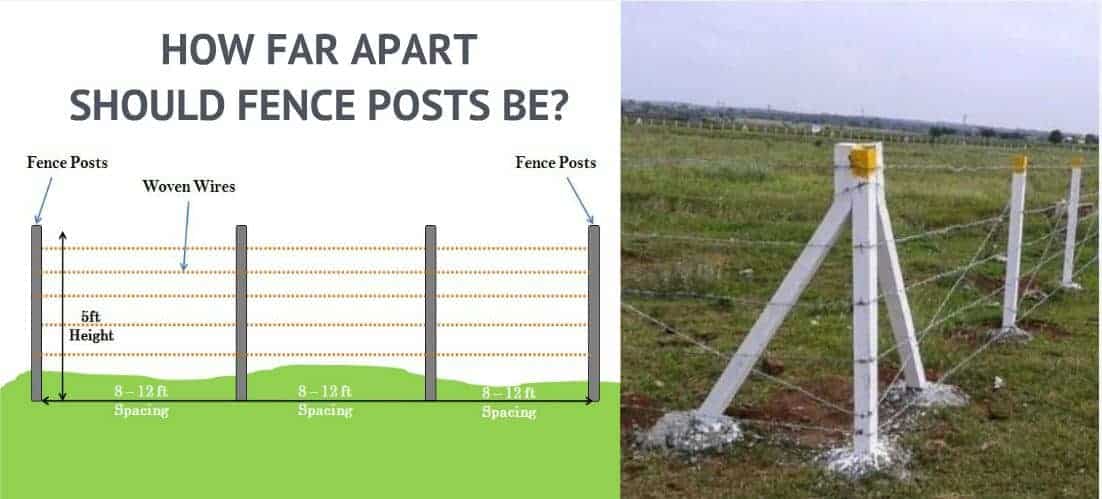
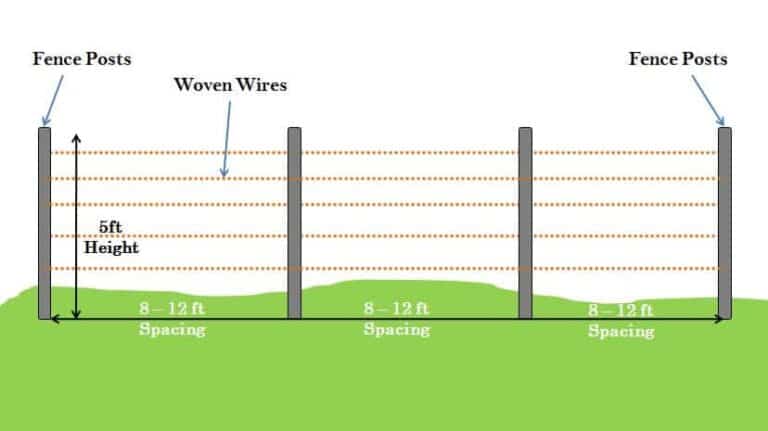
Okay, let's get down to brass tacks. The general rule of thumb for fence post spacing is 6 to 8 feet apart. But before you start pounding posts into the ground willy-nilly, there are a few things to consider.
Type of Fence: This is the BIG one. A lightweight picket fence can usually handle 8-foot spacing. However, a heavy-duty privacy fence, designed to withstand strong winds and nosey neighbors, will need posts closer together – maybe 6 feet, or even less in particularly windy areas.
Think of it like choosing the right shoes. You wouldn't wear flip-flops for a marathon, would you? Similarly, a delicate fence needs less support than a robust one.

Soil Conditions: If your soil is soft and sandy, your posts won't be as firmly anchored. In this case, closer spacing is your friend. Conversely, if you have rock-solid clay, you might be able to get away with slightly wider spacing.
Consider this scenario: Imagine trying to stand upright on a bouncy trampoline versus solid ground. Which one requires more effort to stay balanced?
Height of the Fence: Taller fences catch more wind, which puts more stress on the posts. The taller the fence, the closer the posts should be.

Visualize a lever. The longer the lever (taller fence), the more force it can exert on the fulcrum (fence post). Closer spacing provides more fulcrums!
Type of Materials: Different materials have different strengths. Wood warps, vinyl flexes, and metal… well, metal is usually pretty strong, but even it has its limits. Choose post spacing that matches the properties of your fencing material. For example, weaker wood like pine may require more frequent support than cedar.
Tools of the Trade (and a Little Common Sense)
Beyond the measuring tape, consider using a string line to keep your posts perfectly aligned. A crooked fence is like a crooked smile – charming in a quirky way, but not ideal.
Also, don't be afraid to adjust your spacing slightly to accommodate gates, corners, or other features. Flexibility is key! Think of it like arranging furniture in a room – sometimes you have to tweak things to make them fit.
And here's a little tip: If you're unsure, err on the side of closer spacing. It's always better to have a sturdy fence than one that's constantly leaning and creaking.
The Bottom Line
Spacing your fence posts correctly isn't rocket science, but it does require a little planning and attention to detail. By considering the type of fence, soil conditions, fence height, and materials, you can ensure that your fence stands tall and proud for years to come. You will have a fence that not only looks good and does its job, but also holds up well under normal conditions for many years to come.
So, grab your measuring tape, put on your thinking cap, and get ready to build a fence that will make your yard the envy of the neighborhood. Just try not to brag too much to Gary the gnome collector. We don't want to start a fence feud!