
How Does The Carbon Monoxide Alarm Work

Have you ever stopped to think about the clever gadgets that protect us every day? One of these unsung heroes is the carbon monoxide alarm. It’s a true silent guardian, working tirelessly to keep you safe.
This little device might not seem exciting, but it’s actually incredibly special. It’s like having a tiny, invisible superhero in your home. It performs a vital job without you even noticing, until it really matters.
What’s So Sneaky About Carbon Monoxide?
First, let’s talk about the bad guy: carbon monoxide, or CO. This gas is a real trickster. You cannot see it.
Must Read
You cannot smell it. You cannot taste it either. It’s completely invisible and odorless.
But despite its sneaky nature, CO is very dangerous. It can make you sick without you even knowing. In high amounts, it can even be deadly.
It comes from burning fuels like wood, gas, or oil. Faulty furnaces, gas stoves, or even car exhaust can produce it. That's why having a vigilant protector is so important.
Meet Your Home’s Super Sniffer!
So, how does this amazing little box know when CO is around? How does it detect something we can’t even sense? That's where the real magic happens inside.
Inside every carbon monoxide alarm is a super sensitive sensor. This sensor is like a tiny nose, constantly sniffing the air for danger. It’s truly a marvel of modern engineering.
The Clever Gel Sensor (Biomimetic)
One popular type of sensor is called the biomimetic sensor. This sounds fancy, but it's really cool. Imagine a special gel inside the alarm.
.jpg)
This gel changes color when it "sees" carbon monoxide. It's like a tiny chameleon. The CO reacts with chemicals in the gel.
When the color changes, it also changes how much electricity can pass through it. A small electric current runs through this gel. As the gel changes, the current changes too.
The alarm's tiny computer keeps an eye on this current. When the change is big enough, the computer knows danger is near. It's a very elegant and smart system.
The Electric Helper Sensor (Electrochemical)
Another clever type is the electrochemical sensor. This one works a bit like a tiny, special battery. Inside, there's a liquid solution and two small electrodes.
When carbon monoxide gas floats into the sensor, it causes a chemical reaction. This reaction creates a tiny electric current. It's like the CO itself powers a small signal.
The more CO present, the stronger this tiny electric current becomes. The alarm's brain measures this current very carefully. It's constantly checking the electrical pulse.
When the current reaches a certain level, the alarm springs into action. This method is known for being very accurate. It’s a very reliable way to detect the gas.
The Tiny Brain Behind the Beep
No matter which type of sensor your alarm uses, they all have a common goal. They are constantly looking for changes in the air. These changes signal the presence of carbon monoxide.
Once the sensor detects enough CO, it sends a message. It signals the alarm’s microprocessor. This is like the alarm's small but powerful brain.
The microprocessor is programmed to know what levels of CO are dangerous. It considers both how much CO is in the air and how long it has been there. It’s a very smart little chip.
If the levels are too high, or sustained for too long, the brain decides it's time to act. It doesn't waste any time. It triggers the next crucial step.
The Grand Finale: The Alarm!
And what is that crucial step? The loud, unmistakable sound of the alarm! It's designed to grab your attention immediately. This isn't a gentle chime.
It's a piercing alert, often a series of quick beeps. This sound is your cue to take action. It means your silent guardian has done its job.

Your alarm is not trying to annoy you. It's simply shouting a warning. It is telling you to get out of harm's way.
The sound of a carbon monoxide alarm is never pleasant, but it’s the most beautiful sound you’ll ever hear when it saves a life.
Where Should This Super-Sniffer Live?
Now that you know how clever these alarms are, let’s talk about placement. To work best, they need to be in the right spots. You can’t just put them anywhere.
It’s wise to have one near every sleeping area. This way, if CO creeps in while you're asleep, you'll be woken up. It's crucial for your safety.
Also, place one on every level of your home. If you have a basement with a furnace, put one there too. More alarms mean more protection.
Don't place them right next to fuel-burning appliances. The small amount of CO when they start up might trigger a false alarm. Keep them a little distance away.
Keeping Your Guardian Happy and Healthy
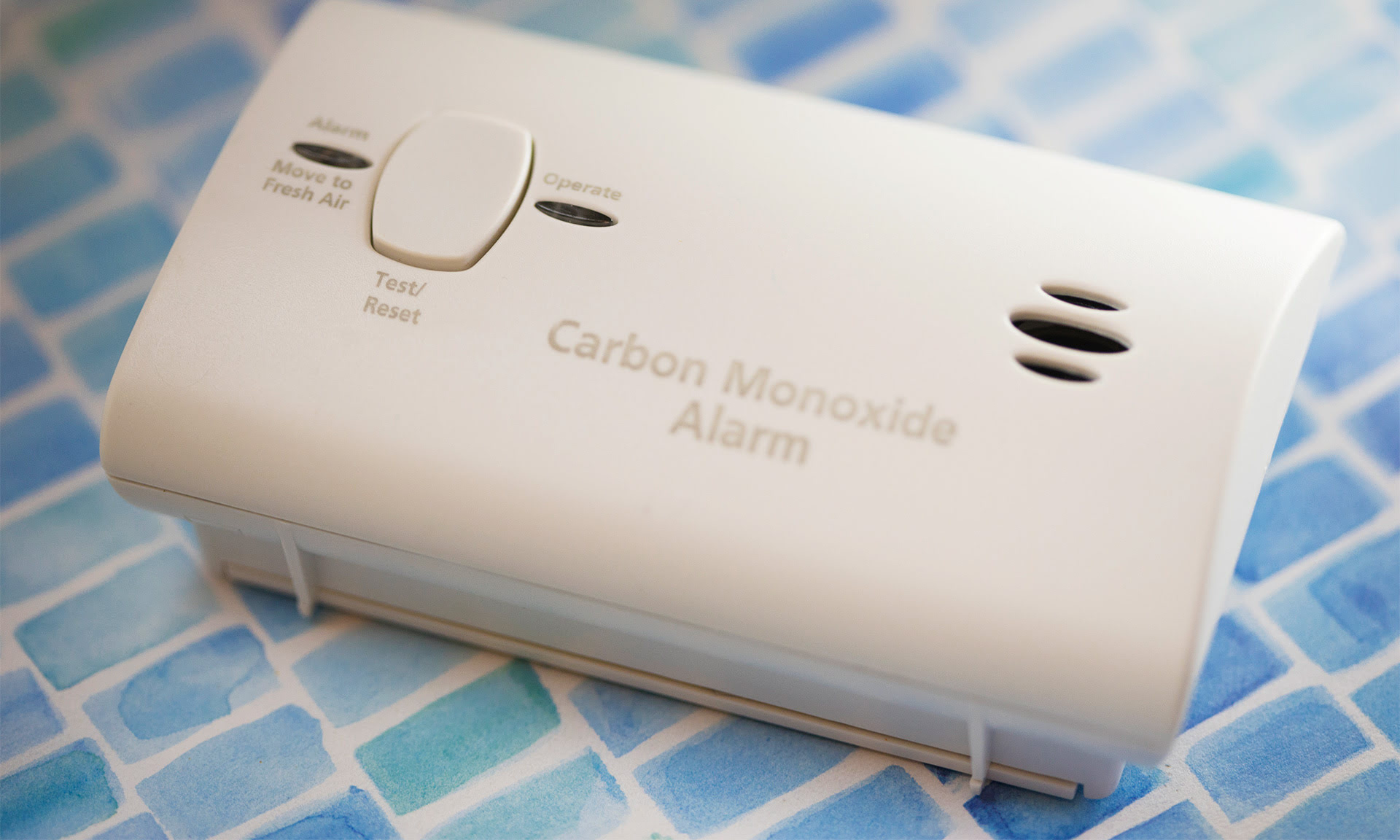
Like any hero, your CO alarm needs a little care. Remember to test it regularly. Most alarms have a simple "test" button.
Push this button once a month. You should hear the loud alarm sound. This confirms it’s still working properly.
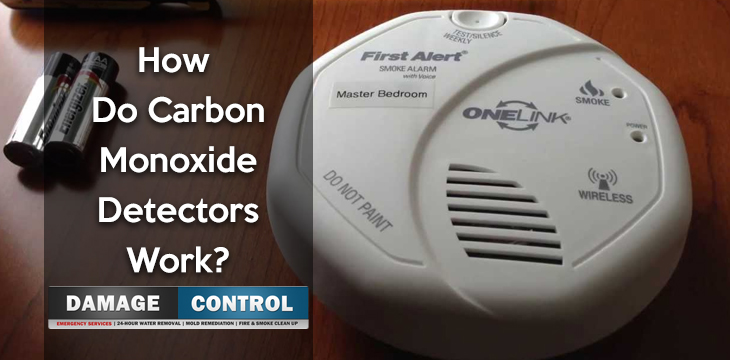
Also, change the batteries when needed. The alarm will usually chirp to tell you the battery is low. Don't ignore those chirps!
Most CO alarms have a lifespan of about 5-7 years. After this time, the sensors can become less reliable. Check the manufacturing date on your unit.
If it's older than recommended, it's time for a replacement. Think of it as upgrading your home's superhero. A fresh alarm means continued vigilance.
Inspired to Check Your Alarms?
Isn't it fascinating how such a small device can be so smart and protective? The carbon monoxide alarm is a brilliant example of technology keeping us safe. It's truly a silent hero.
It's a simple investment that brings incredible peace of mind. Knowing it’s standing guard allows you to sleep soundly. It makes your home a safer place for everyone.
So, next time you see one, give it a nod. Better yet, go check yours! Make sure it’s in good working order.
This little gadget is far more exciting than it looks. It’s an invisible line of defense, ready to shout out danger. It’s a remarkable piece of engineering, designed to keep you and your loved ones safe.