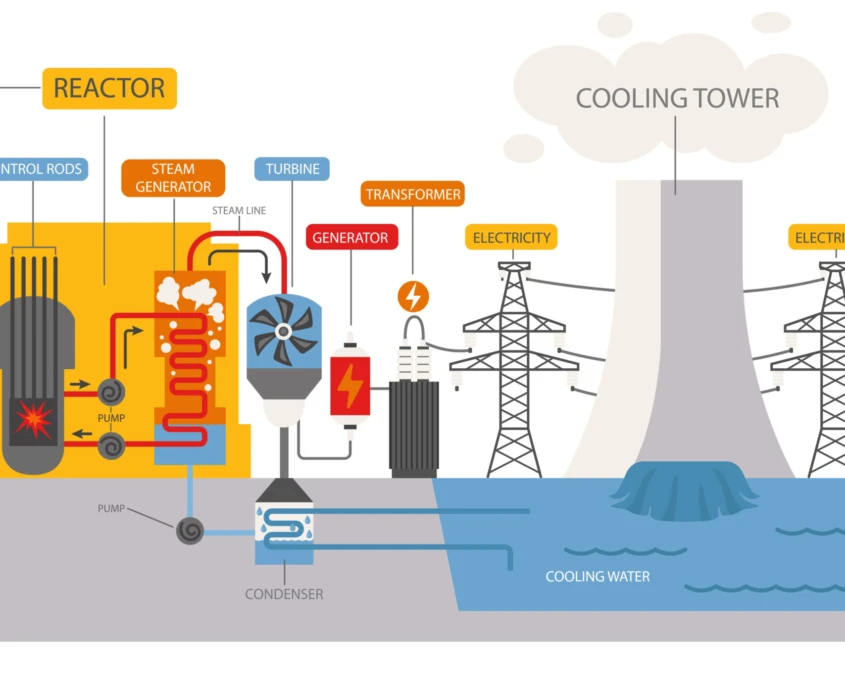
How Does Nuclear Energy Produce Electricity

Ever flicked on a light switch, charged your phone, or enjoyed a perfectly chilled drink from your fridge and wondered, "Where does all this magic power come from?" For many of us, electricity is just... there. It's the silent hum of convenience that powers our modern lives. But have you ever considered one of its most fascinating sources, the one often misunderstood but incredibly powerful: nuclear energy?
Now, before you imagine glowing green slime or mushroom clouds, let's set the record straight. Producing electricity from nuclear energy is, at its heart, surprisingly simple and rather elegant. In fact, it boils down to something you might do every morning:
"The big secret to nuclear power? It’s all about boiling water!"
That's right! Just like your trusty kettle, a nuclear power plant's main job is to create a whole lot of steam. But instead of an electric coil or a gas flame, it uses a truly tiny, yet incredibly mighty, heat source.
Must Read
The Tiny Powerhouses: Uranium Atoms
Imagine you have a special kind of rock, called uranium. This isn't just any rock; it's like a tiny, super-dense battery. Inside these uranium atoms, there's an immense amount of stored energy. To get that energy out, we need to coax it into a little dance party.
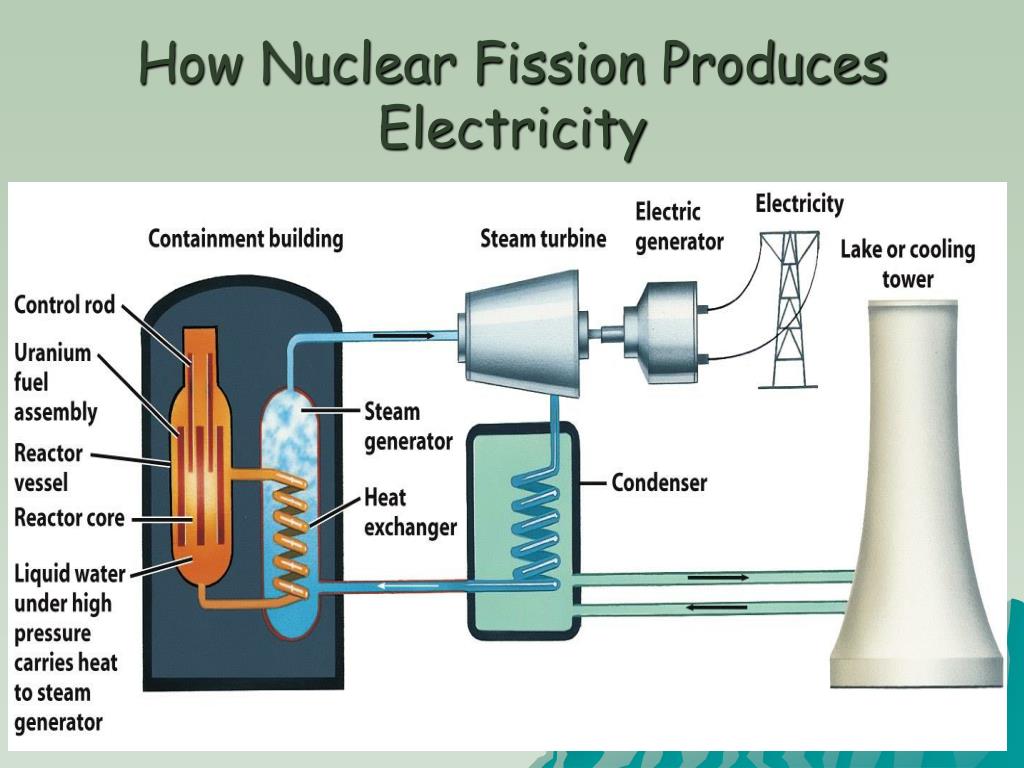
Engineers gently encourage these uranium atoms to split apart in a process called fission. Think of it like tapping two marbles together, but instead of just a clink, each tap releases a tiny burst of heat. When one uranium atom splits, it releases energy and also nudges other uranium atoms to split, creating a continuous, controlled chain reaction. This isn't an explosion, but rather a very carefully managed, steady release of warmth, much like a cozy campfire that never goes out.
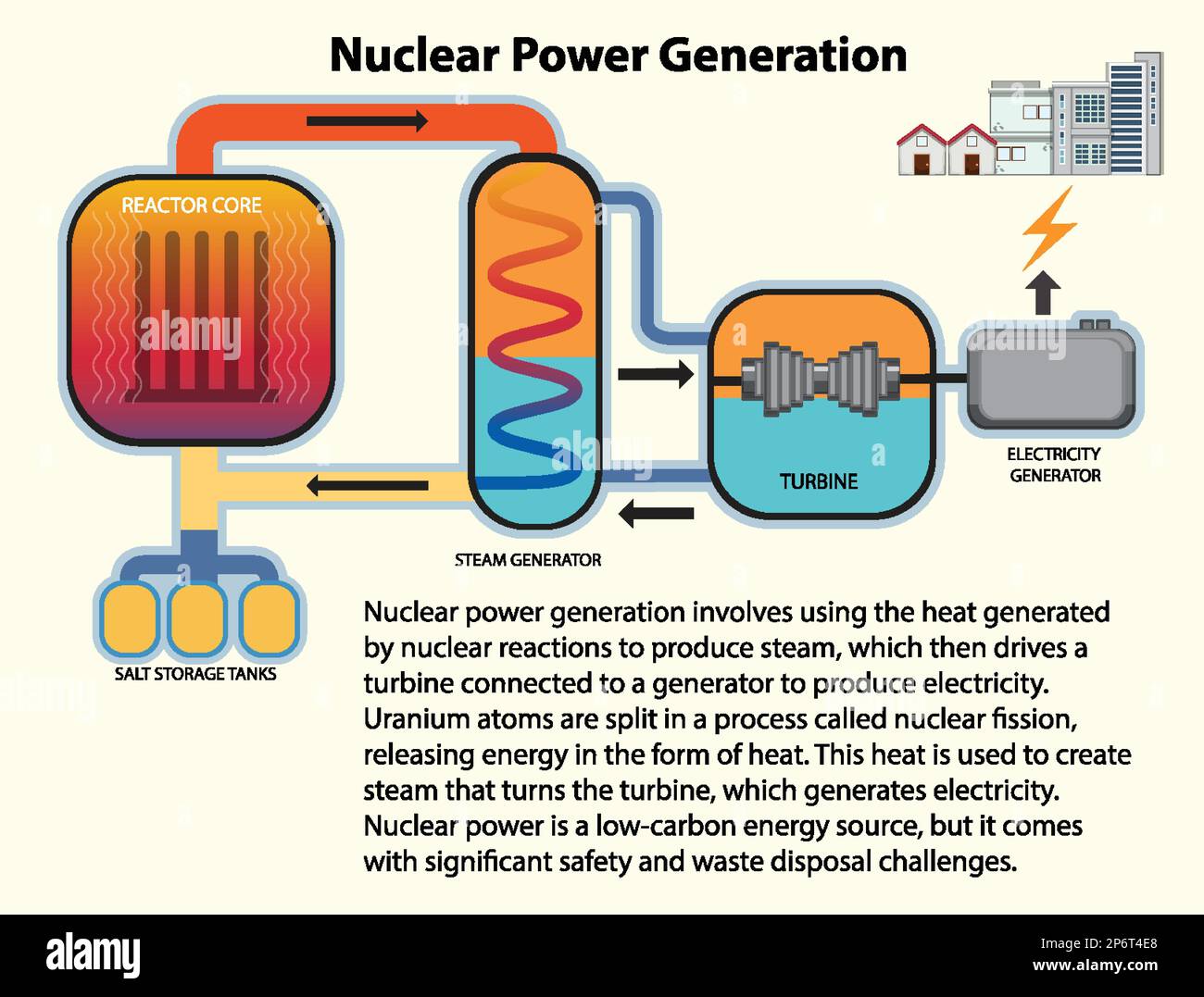
The Giant Teapot: Making Steam
All that heat from the splitting uranium atoms is then used to warm up water. And we're talking about a lot of water! This water is kept under high pressure in a giant, super-strong container, preventing it from boiling even as it gets incredibly hot. This super-hot, pressurized water then circulates through a heat exchanger, which is essentially like a massive radiator. Here, it transfers its heat to a separate loop of water, causing that water to turn into superheated steam.
Imagine an enormous, industrial-sized teapot constantly whistling, but instead of making a single cup of tea, it's making enough steam to power an entire city. This steam is not just any old vapor; it's under immense pressure, eager to escape and do some work.
The Whirring Wonders: Turbines and Generators
Now comes the fun part! This powerful, high-pressure steam is directed towards colossal machines called turbines. Picture these as giant, incredibly complex pinwheels, but instead of wind, it's the forceful push of the steam that makes them spin incredibly fast. The sheer speed and power of these spinning turbines are a marvel to behold.
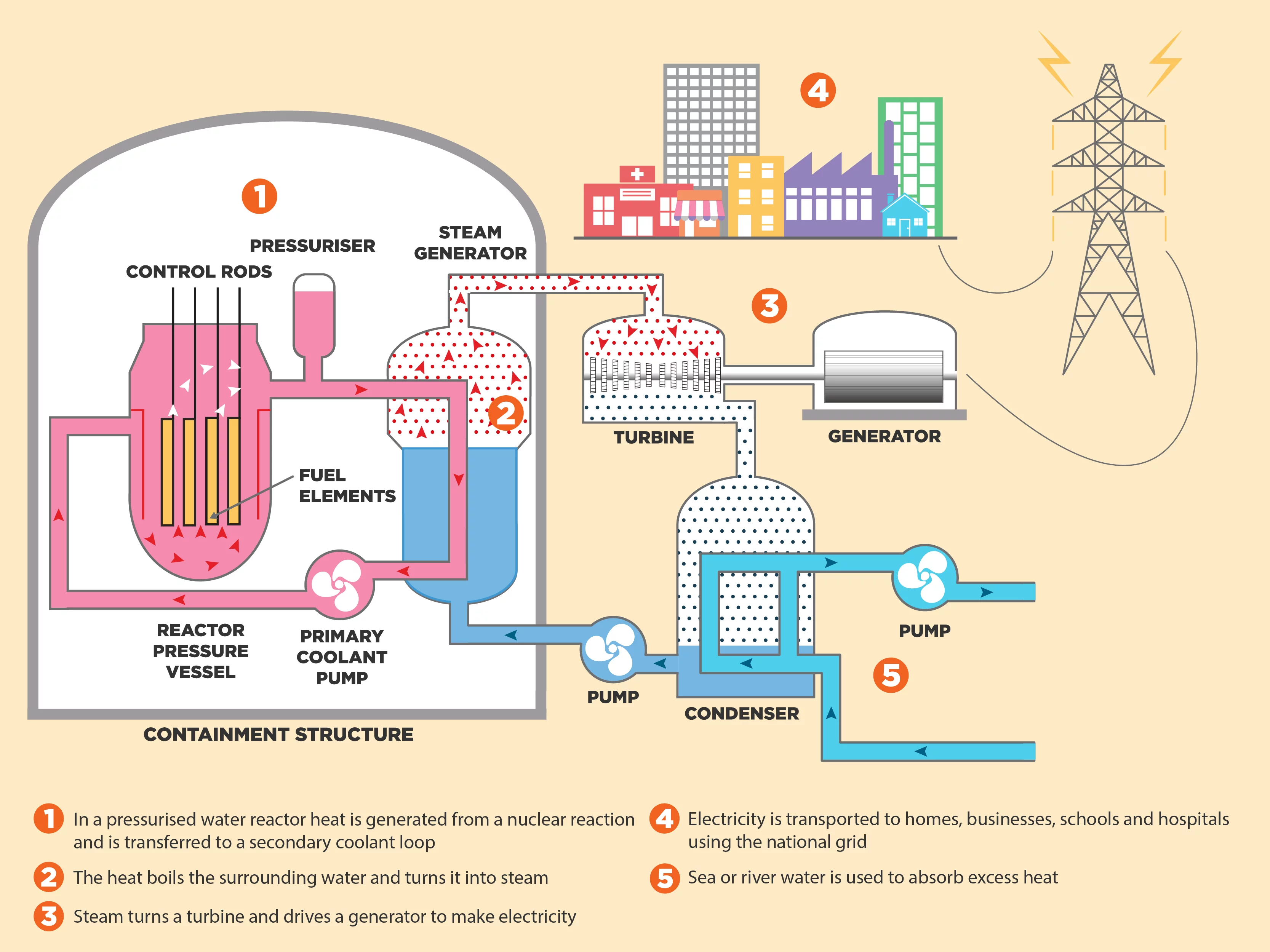
Attached to these spinning turbines are devices called generators. These are the unsung heroes of electricity production. As the turbines spin, they cause magnets inside the generators to whirl past coils of wire. This interaction between moving magnets and wire is the magical trick that creates our beloved electricity.
It's the same principle as the tiny dynamo on a bicycle light, but on a gargantuan scale! From the generator, the electricity is sent out across power lines, making its way to your homes, schools, and businesses, ready to power everything from your morning coffee maker to the entire internet.
A Clean, Constant Hum
What makes this process truly remarkable is its consistency and cleanliness. Unlike burning fossil fuels, nuclear power plants don't release greenhouse gases into the atmosphere during operation. They provide a steady, reliable source of power, day and night, rain or shine, independently of weather conditions that affect solar or wind energy.
The entire operation is overseen by highly skilled engineers and technicians, who are like the careful conductors of a complex orchestra, ensuring every atom's dance and every turbine's spin is perfectly controlled and safe. It's a testament to human ingenuity, taking something as fundamental as an atom and harnessing its power to light up our world.
So, the next time you plug in your phone, take a moment to appreciate the incredible journey that little electron made – born from the careful splitting of a tiny uranium atom, transformed into heat, pushed as steam, spun into motion by a mighty turbine, and finally, brought to life as the electricity that powers your everyday joys. It's truly an amazing, heartwarming feat of science, ensuring our lives stay brightly lit.