
How Does Carbon Monoxide Detector Work

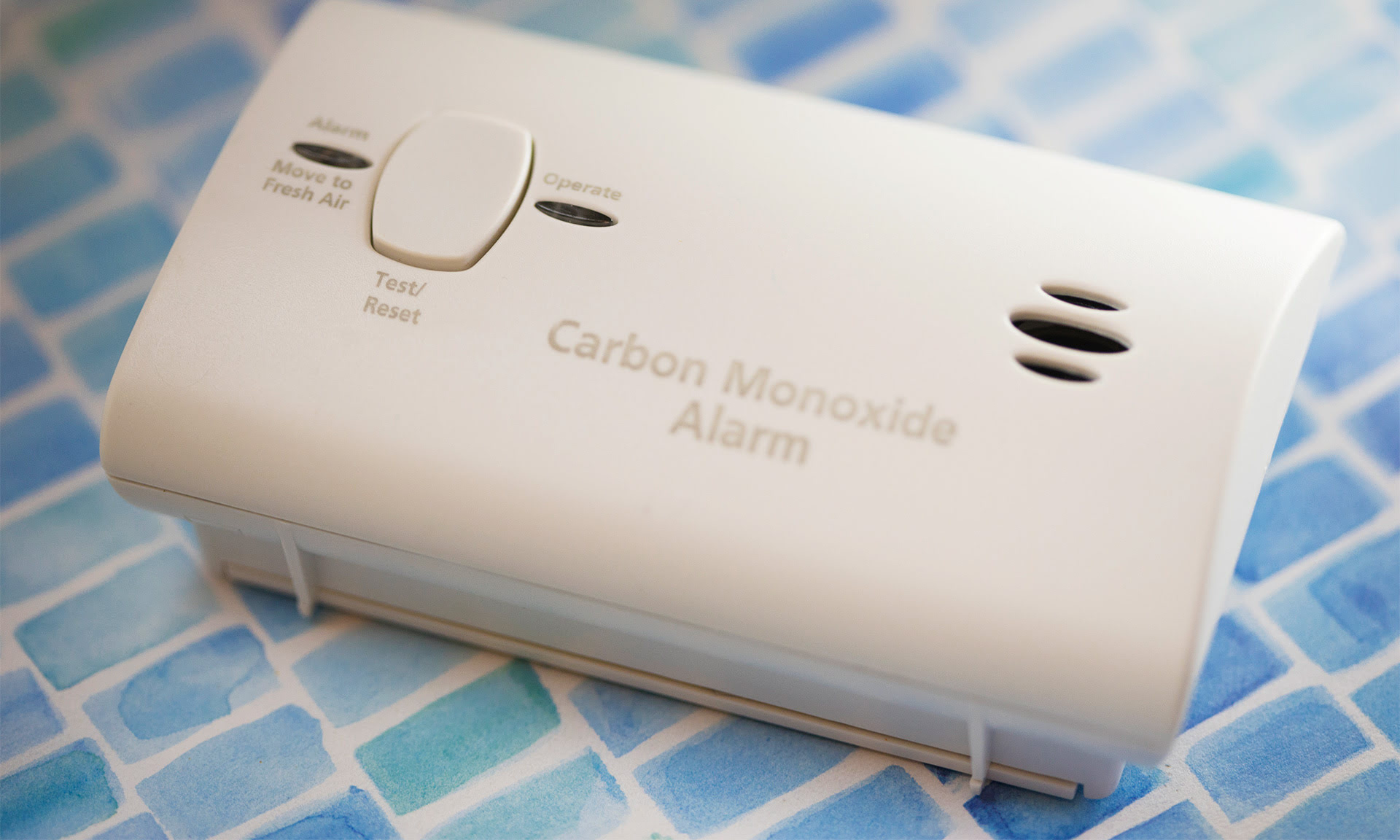
Ever wonder about the unsung heroes protecting our homes? I'm talking about those little gadgets that hum quietly in the background, keeping an eye out for dangers we can't see, smell, or taste. One of the coolest, and arguably most important, is the carbon monoxide detector! It's like having a tiny, vigilant superhero on your wall, ready to sound the alarm against an invisible villain. Understanding how these clever devices work isn't just useful; it's a peek into some truly ingenious science that provides crucial peace of mind for families everywhere.
Carbon monoxide, often called the 'silent killer', is a gas you definitely don't want lurking in your living space. It's a colorless, odorless, tasteless gas produced when fuels like natural gas, oil, coal, or wood don’t burn completely. Think faulty furnaces, blocked chimneys, or even car exhaust left running in an enclosed space. When inhaled, CO quickly replaces oxygen in your red blood cells, making it impossible for your body to get the oxygen it needs. This can lead to headaches, dizziness, nausea, confusion, and in severe cases, unconsciousness, permanent brain damage, and even death. That's where our clever CO detector steps in, offering a vital early warning system, giving you precious time to get to safety before serious harm occurs.
So, how does this ingenious device actually sniff out something you can't? Most modern CO detectors rely on a fascinating bit of science, primarily using one of a few sensor types. The most common is an electrochemical sensor. Inside this sensor is a small gel or electrolyte solution, along with electrodes. When carbon monoxide gas comes into contact with this sensor, it reacts chemically with the electrolyte. This reaction creates a tiny electrical current, and crucially, the more CO there is, the stronger that current becomes. It's a precise translation of gas presence into an electrical signal.
Must Read
Another prevalent type utilizes a metal oxide semiconductor. Here, the sensor has a small heater that keeps it at a specific temperature. When CO gas hits the heated surface, it changes the electrical resistance of the semiconductor material. Just like with the electrochemical sensor, the change in resistance is proportional to the amount of CO present in the air. Both methods essentially translate the presence of this dangerous gas into an electrical signal. The detector's internal circuitry constantly monitors these signals. If the level of CO detected reaches a certain threshold – and sometimes, even more cleverly, if it detects lower levels over a sustained period – bingo! The alarm sounds, usually a loud, unmistakable beep, letting you know it's time to evacuate and seek fresh air. It’s a remarkable fusion of chemistry and electronics working together to save lives.
Pretty neat, right? These unassuming devices are absolute lifesavers, providing a crucial layer of protection against an invisible threat. Understanding how they work highlights the incredible thought behind our everyday safety. So, give a little nod of appreciation to your CO detector, and make sure yours are always working properly! Your safety, and peace of mind, are absolutely worth it.

.jpg)
