
How Does A Nuclear Power Plant Produce Electricity
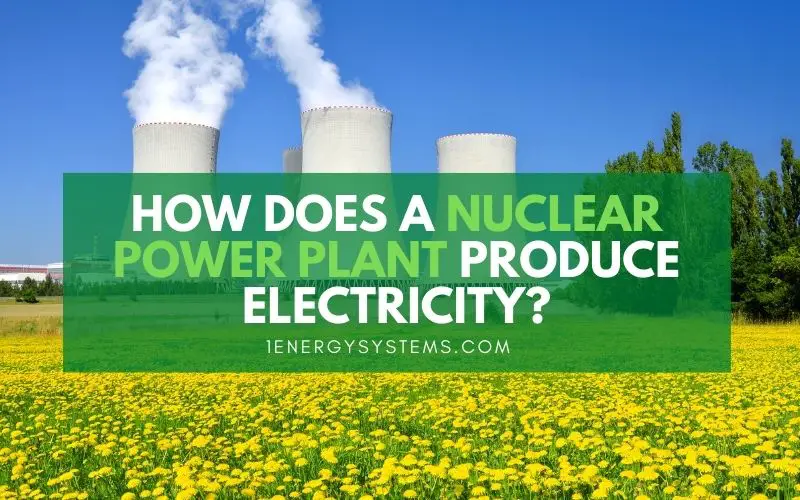
Hey there! Grab a mug, settle in. Ever drive past one of those giant nuclear power plants with the massive cooling towers and think, "What the heck actually goes on in there?" Most people picture some sort of secret science lab with bubbling green goo, right? Or maybe a scene straight out of The Simpsons.
Well, lean in, because I'm about to spill the beans, and it’s actually way cooler—and simpler—than you might think. We're talking about taking something incredibly tiny and turning it into enough juice to power entire cities. Mind-blowing, right?
So, how does a nuclear power plant pull off this magic trick?
Must Read
The Star of the Show: Uranium!
It all kicks off with tiny, tiny bits of stuff called uranium. Specifically, a special kind called Uranium-235. Think of it as the rockstar of the atomic world, ready to put on a spectacular show. These are atoms, remember? Absolutely microscopic.
What makes U-235 so special? It's a bit... temperamental. It doesn't take much to make it really, really happy (or really, really angry, depending on how you look at it).
The Big "Whack!" – Fission
Alright, so we take one of these uranium atoms, and we give it a gentle nudge. Not with a stick, obviously, but with another tiny particle called a neutron. We literally smash a neutron into its nucleus.

And what happens? Wham! That uranium atom gets so excited (or maybe just overwhelmed) that it splits right down the middle! This isn't just any old split; it's an atomic divorce of epic proportions, and it releases a ridiculous amount of energy. Plus, it spits out more neutrons in the process. See where this is going?
It's like hitting one billiard ball, which then hits two more, which hit four more, and so on. This is called a chain reaction. Pure genius, really.
The Reactor Core: Controlled Chaos
Now, you don't want this chain reaction to go all wild and crazy, do you? That's where the heart of the plant comes in: the reactor core. It’s basically a massive, super-strong pressure cooker where all this splitting action happens.

Inside, there are fuel rods packed with uranium pellets. And crucial to keeping things civil are control rods, often made of cadmium or boron. These guys are like the bouncers at a wild party; they absorb excess neutrons to slow down or speed up the chain reaction. We want a steady burn, not an uncontrolled explosion, right? Safety first, kids!
Heat, Glorious Heat!
This atomic splitting business generates an absolutely bonkers amount of heat. Seriously, imagine the most powerful kettle you've ever seen, multiplied by a million. The water surrounding the fuel rods in the reactor core gets incredibly, ridiculously hot. But because it’s under immense pressure, it doesn’t actually boil in the core itself.
Boil That Water!
So, what do we do with all that super-hot water? We use it to heat another loop of water. This second loop, not under the same extreme pressure, boils like crazy. It turns into superheated steam.
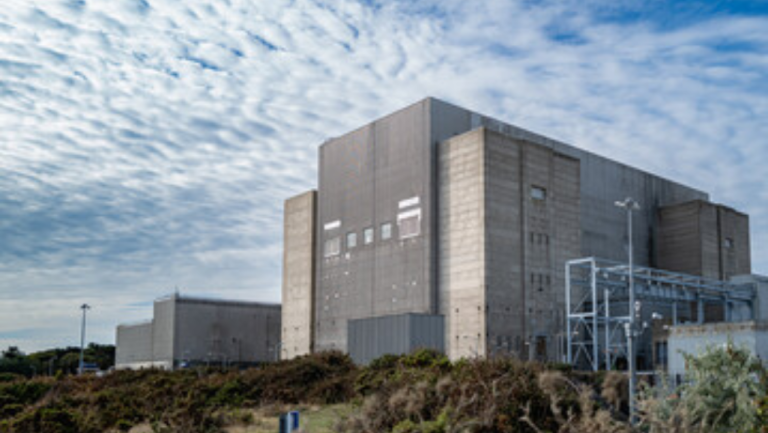
Think about it: at its core, a nuclear power plant is just a really, really fancy way to boil water. Simple, yet profoundly powerful!
Spinning into Power: Turbines & Generators
Now we have a ton of superheated steam. What do you do with high-pressure steam? You blast it at giant, multi-bladed fans called turbines! These things are massive, like jet engines for steam. The steam pushes on the blades, making the turbines spin incredibly fast, often thousands of revolutions per minute.
And guess what the turbines are connected to? Ding, ding, ding! Big, beautiful generators! These are essentially massive dynamos. When you spin a magnet inside a coil of wire (or vice versa), you get... ta-da! Electricity!

To the Grid and Beyond!
That electricity then gets stepped up in voltage and sent out onto the power grid, flowing through power lines to your house, charging your phone, keeping your lights on, and chilling your ice cream. Pretty neat, huh?
The Cooling Down
What about that steam after it's done its job? We can’t just waste it! It travels to a condenser, where it's cooled back into liquid water. And often, those famous cooling towers are involved here, releasing pure water vapor (aka clouds!) into the air, not smoke or pollution. This water is then pumped back to be boiled again, completing the cycle. Efficient!
So, next time you see those towers, you'll know it's not some shadowy lair. It’s just a highly sophisticated, incredibly powerful teapot, spinning magnets and making your life wonderfully electrified. And all from a little bit of uranium doing a big ol' atomic split. Pretty wild, right? Now, pass me the sugar for that coffee!