
How Do You Wire A Generator To A House

Ah, the dreaded darkness! You know that feeling, right? The lights flicker, then poof! Darkness descends, and suddenly your fridge starts weeping quietly, your phone battery silently judges you, and the kids realize the Wi-Fi is gone (cue the apocalyptic wailing). In these moments, a single, brilliant thought often sparks in the gloom: "A generator! I need a generator!"
And so, you get one. Shiny, roaring, full of promise. But then comes the slightly less glamorous, more head-scratching part: How do you actually get that bad boy to power your beloved abode without turning your house into a giant, expensive firecracker, or worse, becoming a hazard to the unsung heroes fixing the lines?
"Can't I Just Plug It In?" (Spoiler: NO!)
Let's get this out of the way right upfront. If your grand plan involves running a giant extension cord from your generator, through a window, and directly into an outlet in your house, please, for the love of all that is electrically sound, STOP! This, my friends, is called "backfeeding," and it's about as smart as trying to teach a cat to do your taxes. It's incredibly dangerous.
Must Read
Why? Because you're essentially sending power out through the same lines that normally bring power in. Imagine trying to drive your car on the wrong side of the road while a semi-truck is coming at you. Not only could you fry your own appliances (RIP toaster), but that electricity travels back to the grid. If a utility worker is out there, bravely battling the elements to restore power, that unexpected jolt from your house could turn their day into a truly tragic one. Seriously, don't do it.
The Grown-Up Way: A Safety Dance with a Specialist
So, if a tangled web of extension cords is out, what's the secret handshake? The real heroes of generator-to-house wiring are the transfer switch or the interlock kit. These aren't just fancy gadgets; they're the bouncers at the VIP party of your home's electricity, ensuring only one power source (utility or generator) gets in at a time.
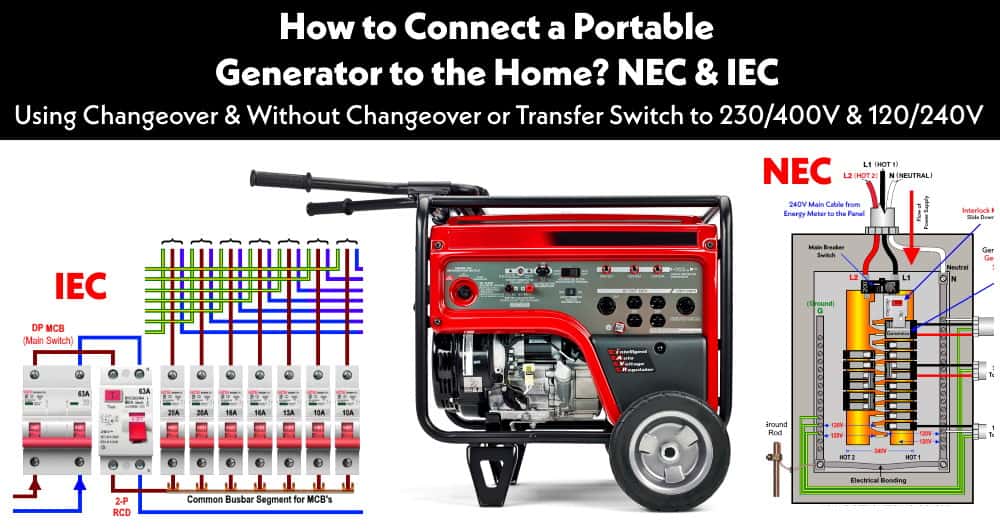
Enter the Transfer Switch: The Electrical Traffic Cop
Think of a transfer switch as the ultimate traffic cop for your home's electrical system. It's a dedicated device, usually installed near your main electrical panel, that acts as a gatekeeper. When the grid goes down, you manually (or sometimes automatically, with fancier models) flip a switch. This action disconnects your house from the utility lines and connects it to your generator.
It's like a two-lane highway where only one lane is open at a time. This physical separation is key. It completely prevents any power from your generator from accidentally backfeeding into the utility grid. It's safe, it's efficient, and it gives you that satisfying click when you know you're now running on your own terms. Some transfer switches even allow you to pick and choose which circuits (like the fridge, a few lights, and that all-important Wi-Fi router) get power, letting you manage your generator's output like a pro.
Or, The Interlock Kit: The Clever Breaker Buddy
If a full-blown transfer switch feels like overkill or a bit too much for your budget, an interlock kit is another brilliant solution. This clever little device is installed right on your existing electrical panel. It's essentially a metal plate or slider that physically prevents you from turning on your main utility breaker and your generator breaker at the same time.

It's like a puzzle piece: when one handle is "on," the other simply cannot be. You slide the interlock plate to allow the generator breaker to be engaged, which simultaneously blocks the main utility breaker. When grid power returns, you flip the generator breaker off, slide the interlock back, and then switch the main utility breaker back on. It's a fantastically simple, effective, and often more affordable way to achieve the same critical safety goal: no backfeeding, ever.
The Golden Rule: Call a Pro!
Now, while understanding how these systems work is great, actually installing them is NOT a DIY project unless your middle name is "Certified Electrician." Messing with your home's main electrical panel is serious business. It's like attempting brain surgery on yourself – you might save a few bucks, but the consequences of a mistake are, well, shocking (pun intended, but also very real).

A qualified, licensed electrician will ensure everything is installed correctly, meets all local codes, and, most importantly, keeps your family and utility workers safe. They'll also help you figure out the best size generator and the right setup for your specific needs, so you're not trying to power a mansion with a generator designed for a small camping trip.
Generator Safety Beyond the Wiring
One last little nugget of wisdom: once your generator is safely wired, remember to run it in a well-ventilated area, far away from your house, to prevent carbon monoxide poisoning. This gas is a silent, odorless killer. Also, always keep enough fuel on hand, because nothing is more frustrating than having a generator and no juice for it!
So, next time the lights go out, you'll be armed not just with a generator, but with the knowledge of how to connect it safely and smartly. You'll be the calm, powered-up hero of your neighborhood, all thanks to a little thing called a transfer switch or interlock kit, and the wisdom to call in the pros when wires get involved. Stay safe, stay powered!
