
How Do You Wire A Doorbell Transformer
:max_bytes(150000):strip_icc()/SPR-how-to-install-a-doorbell-5214163-step-03_30271-2dbd37d14eaa4bac8bde1b94817409cf.jpg)
Alright, gather 'round, you brave souls. We're about to delve into one of life's great, unwritten mysteries. Forget ancient riddles or the meaning of existence. We're talking about the humble doorbell transformer.
It sits there, quietly humming, doing its thing, day in and day out. Most folks don't even know it exists. But for us, the enlightened few, it's a silent guardian of the "ding-dong."
Now, how do you wire one of these magnificent beasts? Well, that's a tale as old as time, or at least as old as your last Amazon delivery. It’s simpler than you might think, despite its secretive nature.
Must Read
The Great Hunt for the Hummer
First things first, you need to find the darn thing. This is often the hardest part, a true test of your detective skills. It’s usually tucked away in some forgotten corner, like a shy hermit of the electrical world.
Think dark, dusty places. The basement. The garage. Near the breaker box, perhaps? It's like finding a needle in a haystack, only the needle might give you a mild shock if you’re not careful.
You’re looking for a small, metal box, sometimes rectangular, sometimes a bit more square. It often has two sets of wires sprouting from it like strange, metallic vines, leading to unknown destinations.
It's probably attached to a junction box or directly to a stud. Give it a good look. Is it covered in cobwebs? Excellent. You’re on the right track, exploring the hidden nooks of your domestic domain.
Sometimes, it's hiding near the actual doorbell chime, especially if the chime is mounted high up. Other times, it's a lone wolf, doing its duty far from the action. The house holds its secrets close.
The subtle hum, if you can hear it, is your compass. It's the song of a thousand tiny electrons, whispering their presence. Listen closely; it's the sound of purpose.
"The doorbell transformer: the unsung hero, the quiet workhorse, the dust bunny's best friend. And occasionally, a masterful hiding champion."
Unraveling the Electrical Spaghetti
Once you've located your quarry, it's time to examine the wiring situation. You'll notice two distinct sets of wires. It’s like a tiny electrical family, each with its own job, a silent pact of power.
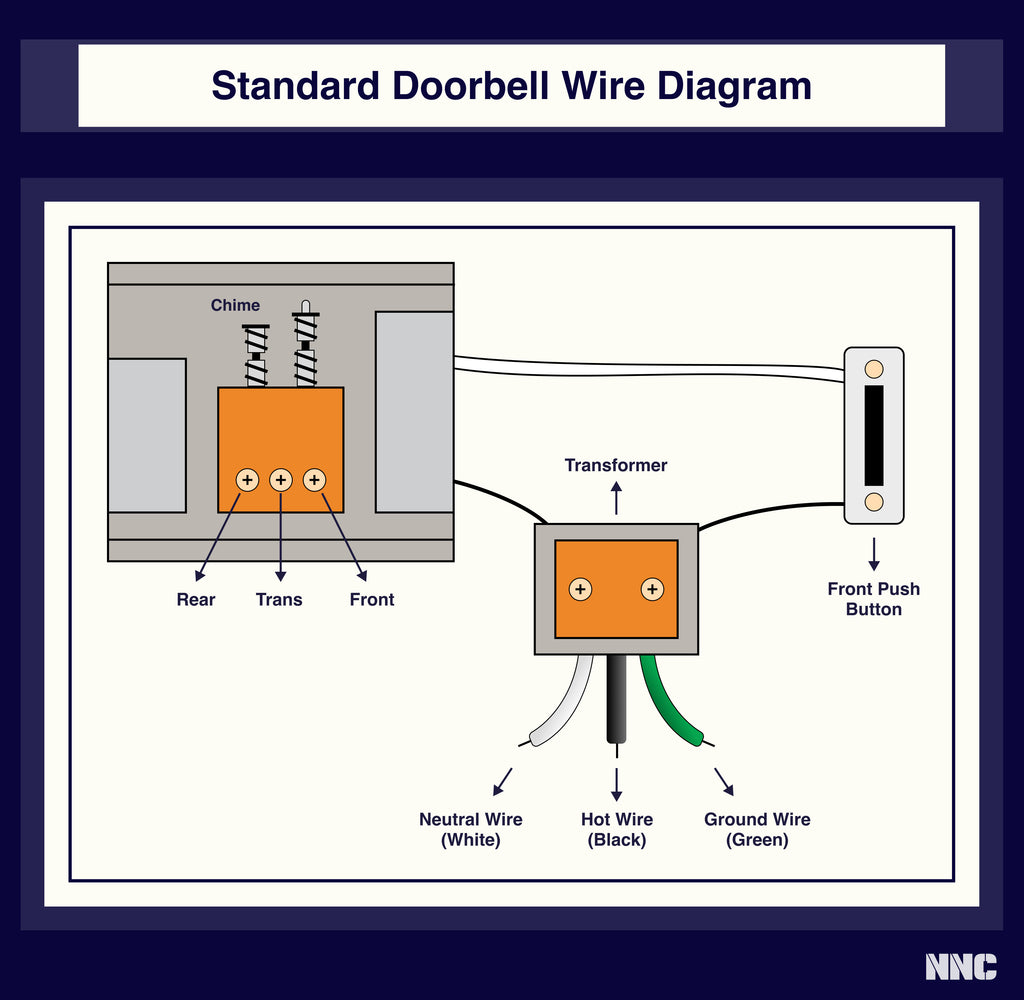
One set is the "big power" side. This is the stuff that comes straight from your house's electrical system. It's the grown-up electricity, if you will, powerful and demanding respect.
The other set is the "ding-dong power" side. This is the nice, gentle electricity that makes your doorbell chime. It’s like the kid brother of the big power, much less intimidating and far more musical.
Before you touch anything, and I mean anything, make sure the power is off. Head to your breaker box. Find the breaker that controls your doorbell circuit, often labeled "bell" or "chime."
If you don't know which one it is, you can always flip the main. It's a bit extreme, causing a momentary blackout, but hey, better safe than sorry, right? Just warn everyone in the house first, or prepare for dramatic screams.
Once the power is off, you can proceed. Always use a voltage tester, just to be super sure. We're aiming for a pleasant ding-dong, not a shocking surprise, which tends to dampen the celebratory mood.
This step is key. Think of yourself as a wise old sage, cautiously approaching a slumbering dragon. The dragon, in this case, is electricity, and you definitely want it slumbering.
Connecting the "Big Power"
Now, let’s tackle the 120-volt side. This is where the house power connects to the transformer. It’s usually two wires from your house – a black one and a white one, the classic duo.
Your transformer will also have two wires for this connection, typically black and white as well, or sometimes just two distinct colors. Match them up like socks, but with much higher stakes.
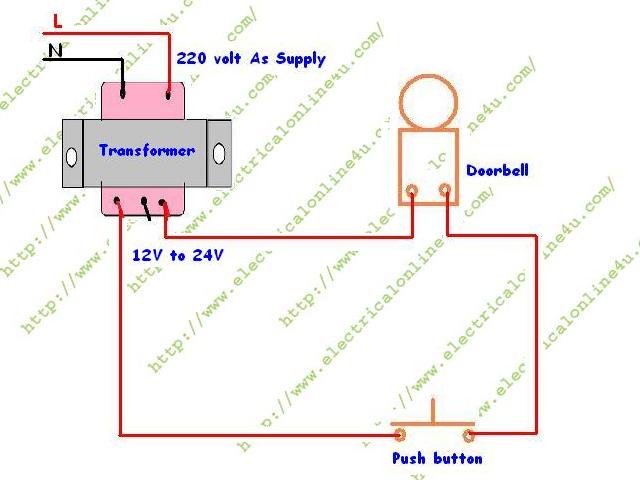
Twist the corresponding wires together. Black to black. White to white. It’s not rocket science; it's more like a very basic color-matching game, steeped in tradition and safety.
Then, cap them off with those magical little plastic cones called wire nuts. Twist them on tight. You want a snug fit, like a cozy hat for your electrical connections, keeping everything perfectly safe.
If there's a ground wire (usually bare copper or green), connect that too. Sometimes it connects to the junction box itself, if it’s metal. Just follow what was there before, or make a new, safe connection to maintain the sacred electrical order.
The tighter the twist, the happier your future self will be. A loose connection here is like a bad hair day for your doorbell – it just won't perform. We aim for peak performance.
"Black to black, white to white. It’s the unofficial mantra of anyone who’s ever wrestled with household wiring. A true mark of a DIY warrior."
Feel the power in your hands, the delicate dance of connecting forces. It's a small but significant act of creation.
Taming the "Ding-Dong Power"
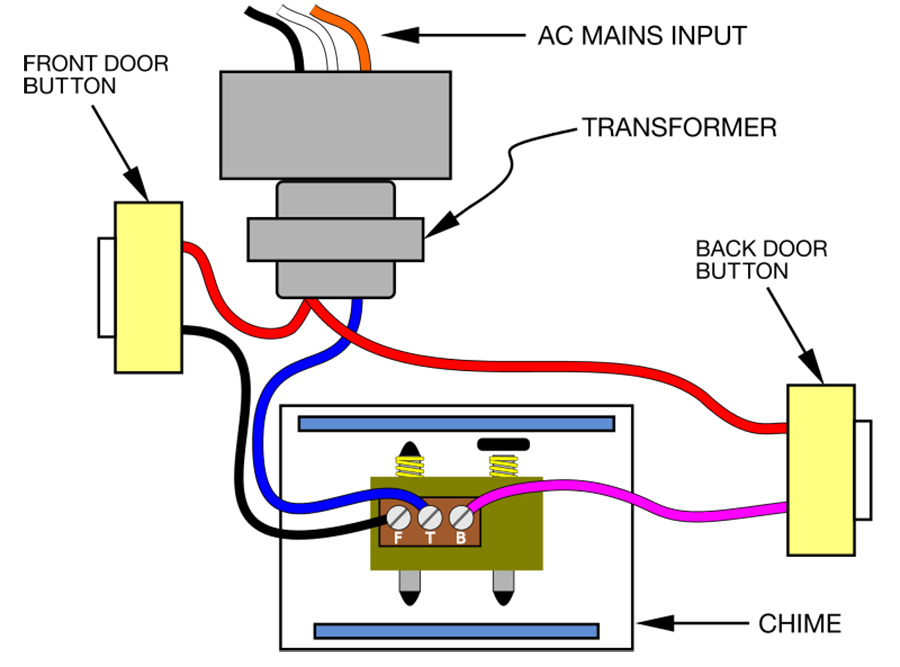
Next up is the low-voltage side, usually 16-volts. This is the output from the transformer that goes to your doorbell button and the chime itself. It’s the gentle whisper before the musical eruption.
On the transformer, you’ll see two small screw terminals. These are your outgoing points. Like tiny electrical ports ready for adventure, eagerly awaiting their passenger wires.

You’ll have two wires coming from your doorbell system. They might be thin, often brown, white, or even red. Don’t overthink the color here; it’s more about function than fashion. They’re usually just signal wires.
Strip a small amount of insulation from the ends of these wires. About half an inch should do the trick. You want just enough bare wire to wrap around the screws, a perfect little electrical hug.
Loosen one screw, wrap one wire around it clockwise, and tighten it down firmly. Repeat with the second wire and the other screw. This clockwise wrap ensures the wire stays put as you tighten.
Give them a gentle tug to make sure they’re secure. No wobbly bits allowed. We're building a masterpiece of sound here, and precision is key. A loose wire is a silent doorbell.
This is where the magic truly starts to flow, from the transformer, through these humble wires, all the way to your waiting chime. It's an intricate dance, but you're the choreographer.
The Moment of Truth (and the "Unpopular" Opinion)
You’ve connected everything. The big power, the ding-dong power. All snug and secure. You’ve followed the unspoken rules. Now for the grand finale, the crescendo of your efforts.
Head back to your breaker box. With a deep breath (or a nonchalant shrug, depending on your personality), flip that breaker back on. Feel the surge of anticipation.
Listen carefully. You might hear a faint hum from the transformer. That’s a good sign. It means it’s awake and ready to work, a tiny electrical engine purring into life.
Then, the ultimate test: go to your doorbell button. Take a moment. Savour the anticipation. Press it with purpose, with hope, with the quiet conviction of a job well done.
Ding-dong! Or perhaps just a ding. Or maybe a glorious two-tone melody. If it works, pat yourself on the back. You've joined the secret society of home wiring wizards. You've earned your stripes.
If it doesn't work, don't panic. This is where the true grit comes in. Go back, double-check your connections. Sometimes a wire comes loose. Sometimes the chime itself is the culprit, old and weary.
Here's the "unpopular" opinion: most home wiring isn't scary. It's just a set of instructions, often unspoken, passed down through generations of DIYers. It's less about fear and more about careful observation.
You don't need a PhD in electrical engineering to wire a doorbell transformer. You just need a screwdriver, some wire nuts, and a healthy dose of gumption. And perhaps a voltage tester, just in case.
It's about having the courage to look behind the curtain, to understand that these household mysteries are actually quite approachable. The only thing stopping you is usually a bit of dust and a healthy dose of intimidation.
"It's not about understanding the deep physics; it's about making the doorbell sing again. And maybe avoiding another delivery driver's knock on the window. Practicality, always."
So there you have it. The secret, demystified. Go forth and make your home sound like home again. Or at least sound like someone is at the door, which is pretty much the same thing.
Welcome to the club. The one where we quietly fix things and then pretend we knew it all along. The satisfaction, after all, is its own reward. Now, about that leaky faucet...