
How Do You Know When To Pump A Septic Tank
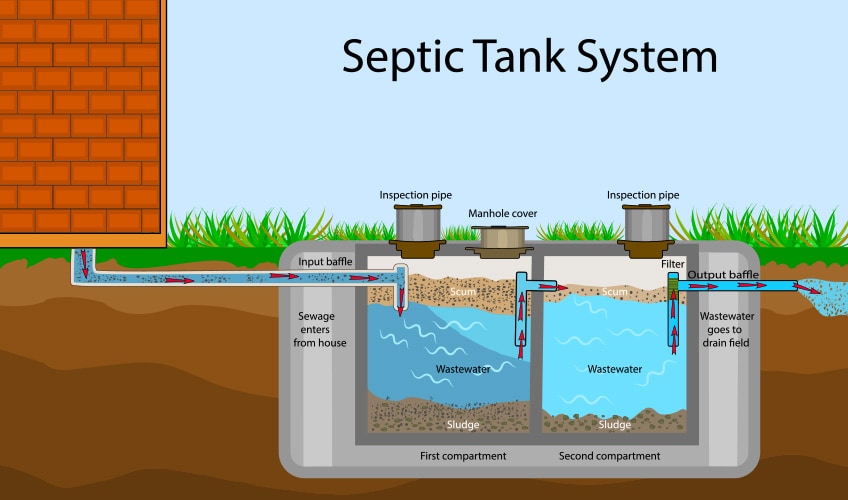
Alright, let's talk about the unsung hero quietly working beneath your lawn: the septic tank!
It’s a fantastic, self-contained system that handles all your home’s wastewater like a champ, keeping everything flowing smoothly and out of sight.
But even the most dedicated heroes need a little break and a refresh sometimes, right? Think of it as its very own spa day!
Must Read
Knowing when your septic system is due for a pump-out isn't about having a crystal ball or a secret decoder ring.
It’s all about paying attention to some surprisingly chatty signals your house (and yard!) will send your way.
Let's dive into these hilarious, sometimes stinky, but always important clues!
The Slow-Mo Tango in Your Drains
Have you noticed your bathroom sink drain acting like it's stuck in an eternal slow-motion video?
Or perhaps the shower floor turns into a temporary wading pool during your morning routine?
This sluggish departure of water is your first subtle whisper that your septic tank might be getting a tad overwhelmed.
It's like your drains are politely suggesting, "Hey, we're doing our best, but there's a bit of a bottleneck downstream!"
If water is taking its sweet time to vanish, ponderously staring into the abyss, it’s a sign that your tank’s capacity is dwindling.
Your tank is likely signaling that it's nearing its "full" capacity, making drainage a real chore.
The Mysterious Gurgle Symphony
Ever flush the toilet and hear a bizarre, almost conversational gurgle coming from your bathtub or shower drain?
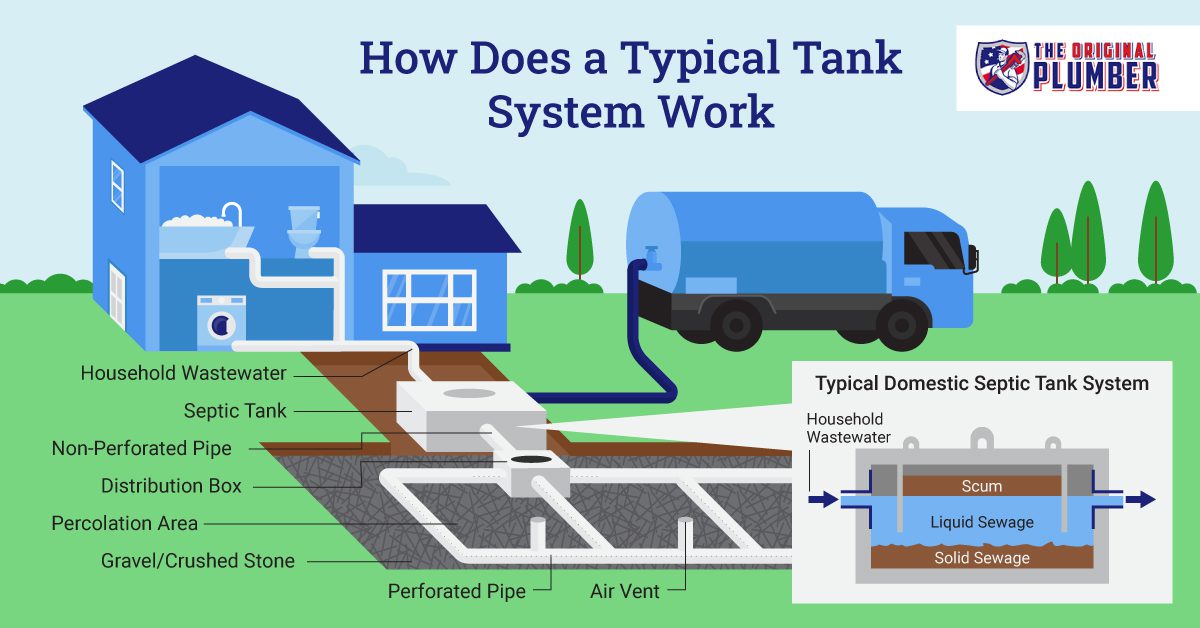
No, your pipes aren't haunted, and your house isn't suddenly developing a quirky personality trait!
That peculiar symphony of sounds is often a clear indication that air is struggling to move through a very full system, causing those delightful bubbles.
It's your septic tank trying to communicate, "Hello down there! I'm struggling for air and space!"
These gurgles are like little vocal protests from your plumbing, letting you know that the tank is pushing its limits.
Listen closely, because these are more than just quirky noises; they’re important messages.
The Uninvited "Eau de Septic" Fragrance
Alright, this one is less subtle and definitely not a designer scent you want to be rocking.
If you start catching whiffs of an unmistakable, shall we say, earthy and rather pungent aroma either inside your home or wafting through your yard near the septic area, your nose knows!
This distinctive odor is not a new air freshener; it's your tank sending out a rather urgent, albeit stinky, telegram.
Indoors, the scent can creep up through drains, indicating that gases can no longer escape through the vent pipe effectively.
Outdoors, it suggests that wastewater is rising too high in the tank or even surfacing in the drain field.

Don't ignore this olfactory SOS; it's a strong signal that it's high time for a professional to come to the rescue!
"When in doubt, trust your nose!"
The Surprisingly Verdant Lawn Spot
Who doesn't love a vibrant, healthy lawn? But if you notice one particular patch of grass over your septic drain field looking suspiciously greener, taller, and lusher than the rest, it’s not magic fertilizer.
It’s often a sign that excess liquid from your tank is seeping up, giving those lucky blades of grass an unexpected, highly concentrated nutrient boost.
This localized burst of green growth is your yard's very own neon billboard saying, "Pump me, please!"
While aesthetically pleasing, this lush spot is a visual cue that your drain field is struggling to absorb the wastewater.
It means there's too much liquid in your tank, escaping the usual channels and enriching the surface soil.
It's a beautiful warning sign, but a warning sign nonetheless, indicating an overflowing situation beneath the surface.
The Unexpected Backyard Puddle Party
If you discover puddles of water gathering in your yard, particularly near your septic drain field, even when it hasn't rained in ages, that's a definite eyebrow-raiser.
This isn't a secret swimming hole for garden gnomes; it's a strong indication that your system is overloaded and can't absorb any more liquid.
Your septic tank is literally saying, "I'm bursting at the seams here and need some relief!"

Standing water, especially if it's accompanied by that tell-tale septic smell, is a critical sign of a major problem.
The drain field is saturated, meaning the system can no longer properly treat and disperse wastewater into the soil.
This scenario requires immediate attention to prevent further environmental and health hazards.
The Dreaded Indoor Tsunami (or trickle!)
This is the grand finale, the main event, the sign you absolutely, positively do not want to experience: a sewage backup into your home!
Whether it's water (or worse) backing up into your bathtub, toilet, or sink, this is your septic system's equivalent of a full-blown emergency siren.
If this happens, it's not just a hint; it's a blaring, undeniable siren telling you to drop everything and call for immediate septic rescue!
A sewage backup indicates a severe blockage or an extremely overfilled tank that has nowhere else for the wastewater to go.
It's messy, it's unsanitary, and it's a clear signal that your system has reached its absolute breaking point.
Consider this the ultimate "I told you so!" from your overworked septic system.
"Prevention is better than a plumber's emergency visit!"
The Proactive Power Play!
Now, while those dramatic signs are great for getting your attention, wouldn't it be grand if you could avoid them altogether?
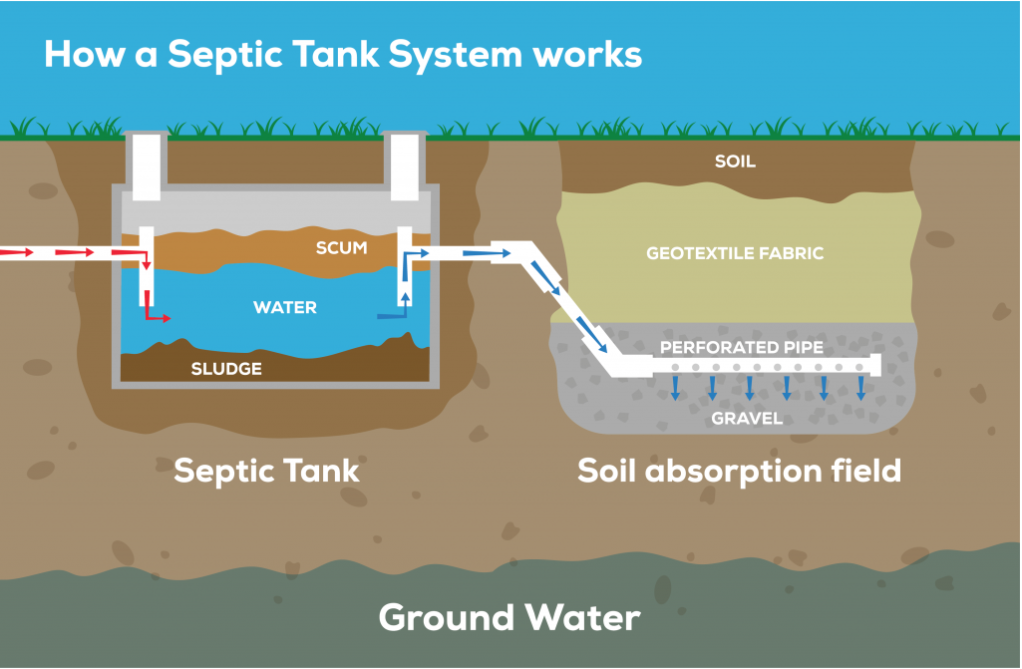
The real secret sauce to a happy, healthy septic system is to be proactive!
Most experts suggest having your tank inspected and pumped every 3 to 5 years, depending on your household size and water usage.
If you have a larger family or frequently host guests, your system works harder and might need more frequent attention.
Regular maintenance is like giving your septic buddy a consistent spa day, ensuring it stays refreshed and ready to tackle its important job without stress.
A little foresight can save you a whole lot of headache, heartache, and unpleasant smells down the line.
"Schedule that pump before your tank throws a tantrum!"
Your Septic Superhero Status
So there you have it, future septic superheroes! You're now armed with the knowledge to recognize when your hardworking tank needs a little TLC.
By paying attention to these signals – from the subtle gurgles to the more obvious backups – you're not just preventing a potential disaster.
You're ensuring the smooth, odor-free, and incredibly efficient operation of your home's unsung hero for years to come.
You’ve got this! Keep an eye (and a nose!) out, and your septic system will keep serving you faithfully, without any unexpected, pungent surprises.
Embrace your newfound septic smarts and enjoy the peace of mind that comes with a well-maintained system.
Go forth and be the amazing septic guardian your home deserves!