
How Do You Know When A Septic Tank Is Full

Alright, so we need to talk about something a little… unglamorous. But super important if you’ve got a septic system. We’re talking about that big, underground silent hero that handles all your household waste. Yep, your septic tank. And specifically, how on earth do you know when that bad boy is getting full?
Because let’s be real, nobody wants to wake up to a surprise in the bathroom. Or worse, in the yard! It’s not exactly a topic for polite dinner conversation, but trust me, knowing the signs can save you a whole lot of headache, heartache, and let's face it, some serious nastiness.
The Subtle Nudges: "Hmm, Is That...?"
Okay, let's start with the gentle whispers. The tank isn't going to send you a text message (thank goodness), but it does give off some pretty clear hints if you're paying attention. Think of these as its polite requests for a little TLC.
Must Read
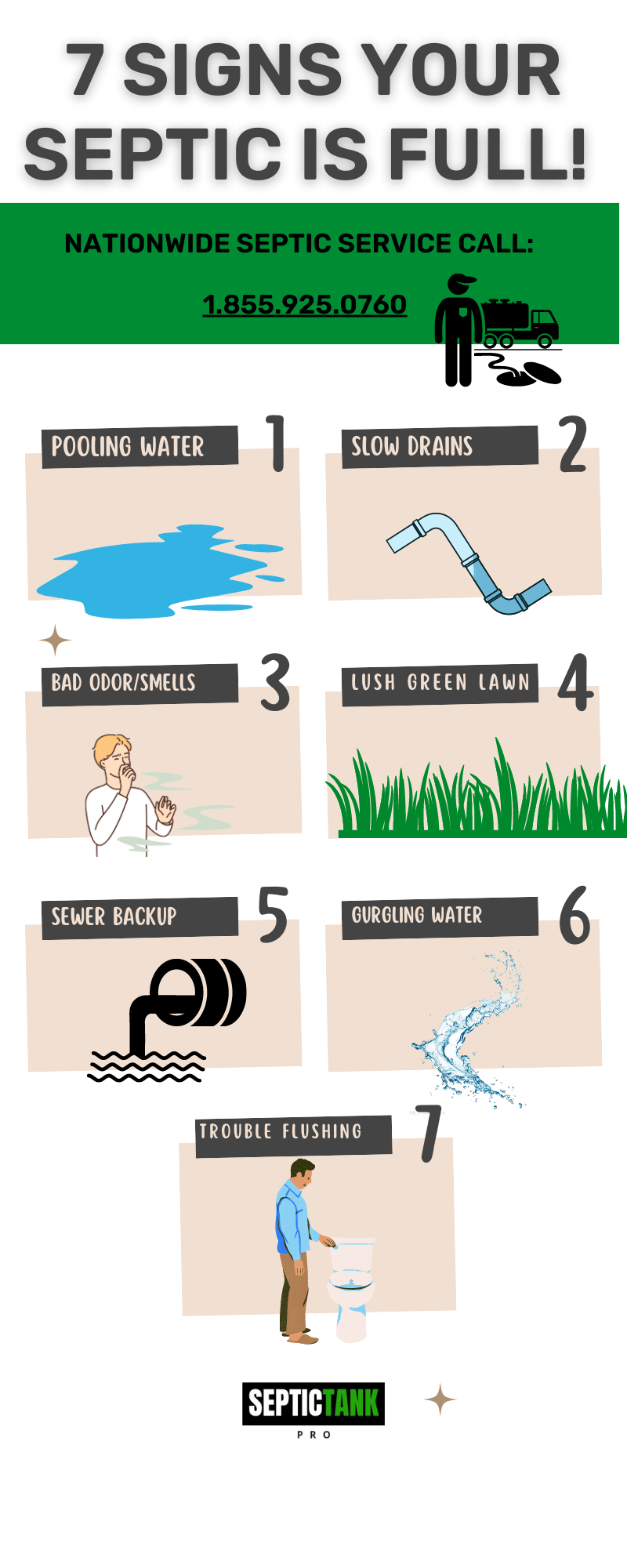
First up, and probably the most common, are slow drains. You know the drill. You pull the plug in the bathtub, and the water just… lingers. Like it's contemplating its life choices before making its grand exit. Or your kitchen sink takes forever to drain after washing dishes. This isn't just a clogged P-trap, my friend; it could be a sign that things are backing up further down the line, right into your septic tank.
Then there are the sounds. Ever hear your toilet make a little gurgle after you flush? Or your shower drain give a faint burp? It's not the ghost of plumbing past; it’s likely air being pushed back up the pipes because there’s nowhere else for it to go. That's your septic system saying, "Hey, things are getting a bit crowded down here!"
The Not-So-Subtle Shouts: "Houston, We Have a Problem!"
If you've ignored the whispers and the gurgles, prepare for the shouts. These are the signs that say, "Action is required, and probably yesterday!"
The most obvious (and often the most stomach-churning) sign is, of course, sewage backing up into your house. Yeah, gross, I know. But if flushing the toilet results in water (or worse) coming up in your shower, or your sink suddenly has an unpleasant guest, your tank is screaming for help. This is a definite "call the professional NOW" moment.

But the problems aren't always indoors. Take a stroll outside, especially near your drain field. Are there unusually wet, soggy spots on your lawn, even when it hasn't rained? Does it feel squishy underfoot? That’s not a secret spring; it’s likely effluent from your overloaded tank making its way to the surface. And trust me, it’s not just water.
And speaking of the yard, have you noticed one particular patch of grass that’s suddenly super green and lush, almost like it’s been photoshopped? Especially if it’s right over where your tank or drain field is located? Well, as lovely as that looks, it's basically getting a constant dose of nutrient-rich (read: sewage) fertilizer. It’s a beautiful warning sign.

Oh, and let’s not forget the smell. If you step outside and are greeted by an unmistakable odor of raw sewage, particularly around your septic tank’s location or drain field, that’s not just your imagination. Your tank is full, it's overflowing, and those gasses are escaping. And it's definitely not the smell of roses, is it?
So, What Now, My Friend?
Okay, so you've noticed one or more of these delightful symptoms. Don’t panic! (Easier said than done, I know). The main thing is to acknowledge it and take action. The worst thing you can do is ignore it and hope it goes away. Spoiler alert: it won't.
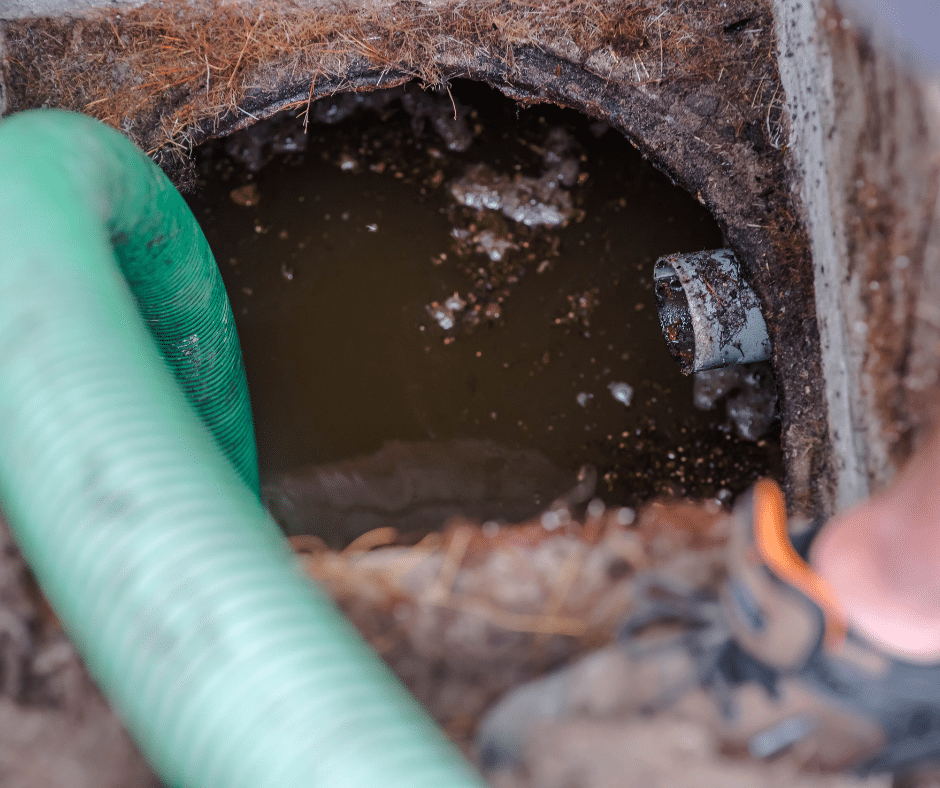
Your best bet? Call a reputable septic service company. Seriously, this isn't a DIY job for YouTube warriors. They’ll come out, inspect the situation, pump your tank if it's full (which it probably is), and give you advice on any further issues or maintenance.
Regular maintenance, by the way, is your secret weapon against all these unpleasant surprises. Most experts recommend having your septic tank inspected and pumped every 3-5 years, depending on your household size and usage. It’s like an oil change for your car, but for your home’s most important waste management system.
So, next time your toilet gives a little gurgle, or your bath water takes its sweet time to drain, don't just shrug it off. Listen to your house! It's trying to tell you something important. A little attention now can save you a whole lot of mess and money down the road. And who doesn't want to avoid that kind of drama?