How Do You Hook A Generator Up To A House

Ah, the dreaded power outage. One minute you're binging your favorite show, the next you're fumbling in the dark for your phone, wondering if you actually did pay that last electricity bill. Sound familiar? We've all been there, squinting at the flickering candlelight, silently cursing the squirrel that probably tripped the transformer. But then, a beacon of hope appears – that trusty (or sometimes cranky) generator in your garage. You know it's powerful, you know it's loud, but… how the heck do you actually get it to talk to your house?
It's Not a Toaster, Folks!
Let's get one thing straight: hooking up a generator isn't like plugging in your coffee maker. There are a few crucial steps and some serious safety considerations that make it more like defusing a very specific, power-generating puzzle. But don't worry, it's totally manageable, and once you get the hang of it, you'll feel like a superhero, bringing light back to your little kingdom.
The main goal? To get juice from your generator into your house's electrical system safely, without sending power back down the grid (which is a big no-no, like trying to give a high-five to a sleeping bear – someone's gonna get hurt, and it's probably the utility worker!).
Must Read
The "Extension Cord Marathon" Method (For the Essentials)
This is the quick-and-dirty, temporary fix, perfect for when you just need to keep the fridge humming, a lamp lit, and maybe charge your phone so you can scroll through memes. Think of it as a tactical strike, focusing power where you need it most.
First, get your generator outside. And I mean way outside. Generator exhaust is like a really bad houseguest – silent, deadly, and you absolutely do not want it inside. Think at least 15-20 feet from any windows or doors. Give it some breathing room, like your grumpy uncle at Thanksgiving.
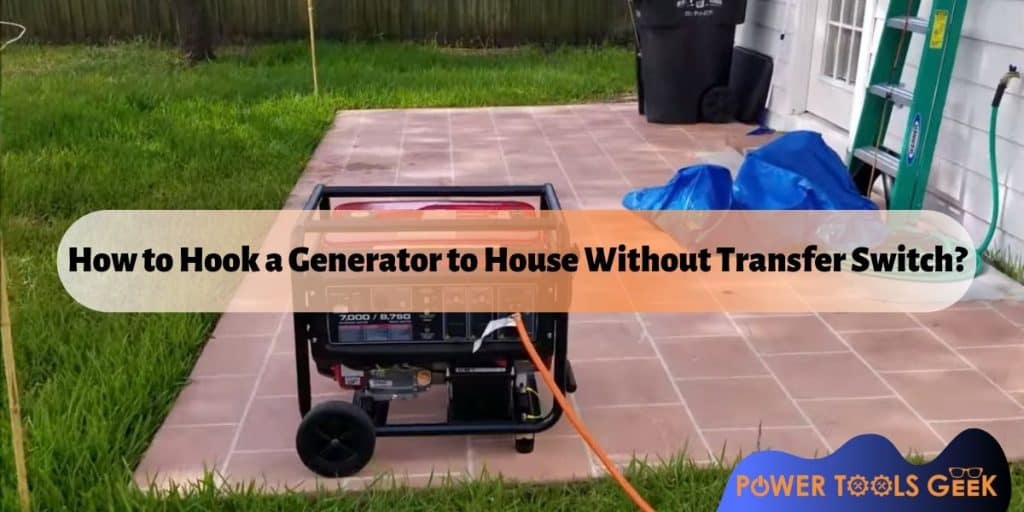
Next, grab some seriously heavy-duty extension cords. Not those flimsy ones you use for your Christmas lights. We're talking thick, outdoor-rated cords that look like they could tow a small car. Plug one end into the generator, and the other end into the appliance you want to power. Rinse and repeat for your refrigerator, a fan, a lamp, perhaps your router if you're feeling ambitious.
It's a bit like playing Tetris with plugs and cords snaking through windows and doors. It works for an emergency, but it's not powering your whole house, and it certainly won't run your central AC. This method is all about triaging your power needs.
The "Smarty Pants" Method: The Transfer Switch (For Whole-House Power)
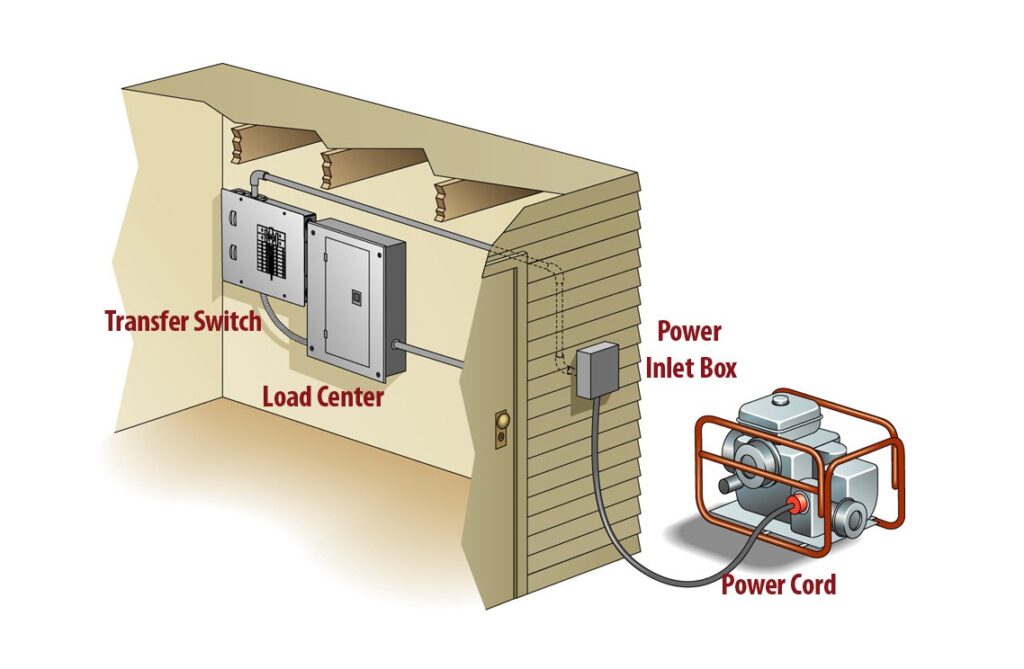
Now, if you want to be the undisputed king or queen of the blackout, someone who can power their entire house without a spaghetti monster of extension cords, you need a transfer switch. This is the sophisticated, grown-up way to do it, and it's also the safest.
Imagine your house's electrical panel. It's like the main brain, deciding where power goes. A transfer switch is essentially a gatekeeper. When the power goes out, you flip a switch (or it does it automatically if it's an automatic transfer switch), and it literally disconnects your house from the utility grid before connecting it to your generator.
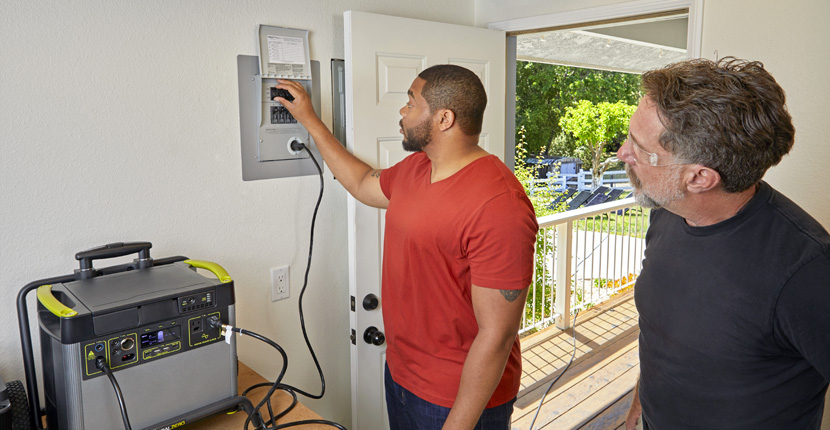
Why is this so great? Because it prevents backfeeding. You can't accidentally send power back to the grid, endangering utility workers. It's foolproof. Once connected, your generator acts as the main power source, and you can use your home's outlets and lights just as you normally would, depending on your generator's capacity. It's like giving your house its own dedicated generator concierge.
Most transfer switches need to be professionally installed. Unless your middle name is "Electrician Extraordinaire" and you're intimately familiar with your home's wiring, this is one job you absolutely want to leave to the pros. It involves tapping into your main electrical panel, and that's not a DIY project for the faint of heart.
A Few Friendly Reminders (Safety First, Always!)
- Generator Placement: As mentioned, outside, outside, outside! Carbon monoxide is no joke.
- Fueling: Turn the generator off and let it cool down before adding fuel. Spilling gasoline on a hot engine is a one-way ticket to a bad day.
- Load Management: Don't overload your generator. It's like asking a mini-van to tow a semi-truck – it's going to struggle, sputter, and eventually give up.
- Read the Manual: Yes, really! Your generator's manual has specific instructions and safety warnings tailored to your model. It's not just a fancy coaster.
- Test It: Start your generator regularly, even when you don't need it. Just like checking your smoke detectors, make sure it's ready to rumble when the lights go out.
So, the next time the lights flicker and the fridge goes silent, you'll know exactly what to do. Whether it's a quick extension cord setup for the essentials or the full transfer switch experience, you'll be ready to bring power back to your home. And honestly, there's a certain smug satisfaction that comes with being the only one on the block with lights on during a blackout. Go forth and generate, you power-hungry hero!