
How Do Power Purchase Agreements Work

Alright, let's talk about electricity. Not the "oops, I forgot to unplug my toaster" kind, but the big, grown-up, powering-entire-cities kind. You probably just flip a switch and poof, lights. But behind that simple switch lies a world of contracts, agreements, and frankly, some pretty clever financial wizardry.
And here’s my possibly unpopular opinion right off the bat: most people think energy contracts are mind-numbingly dull. They are wrong. They are secretly, gloriously, fascinating. Especially when we talk about Power Purchase Agreements, or as the cool kids in the energy world say, PPAs.
So, What Even Is a PPA?
Imagine you're an entrepreneur. You've got this brilliant idea: build a giant field of solar panels, or a forest of towering wind turbines. Sounds great, right? Green energy for everyone! But wait, these things cost billions of dollars to build. You can't just build them and hope someone shows up with a wheelbarrow full of cash to buy your sunshine-powered electrons.
Must Read
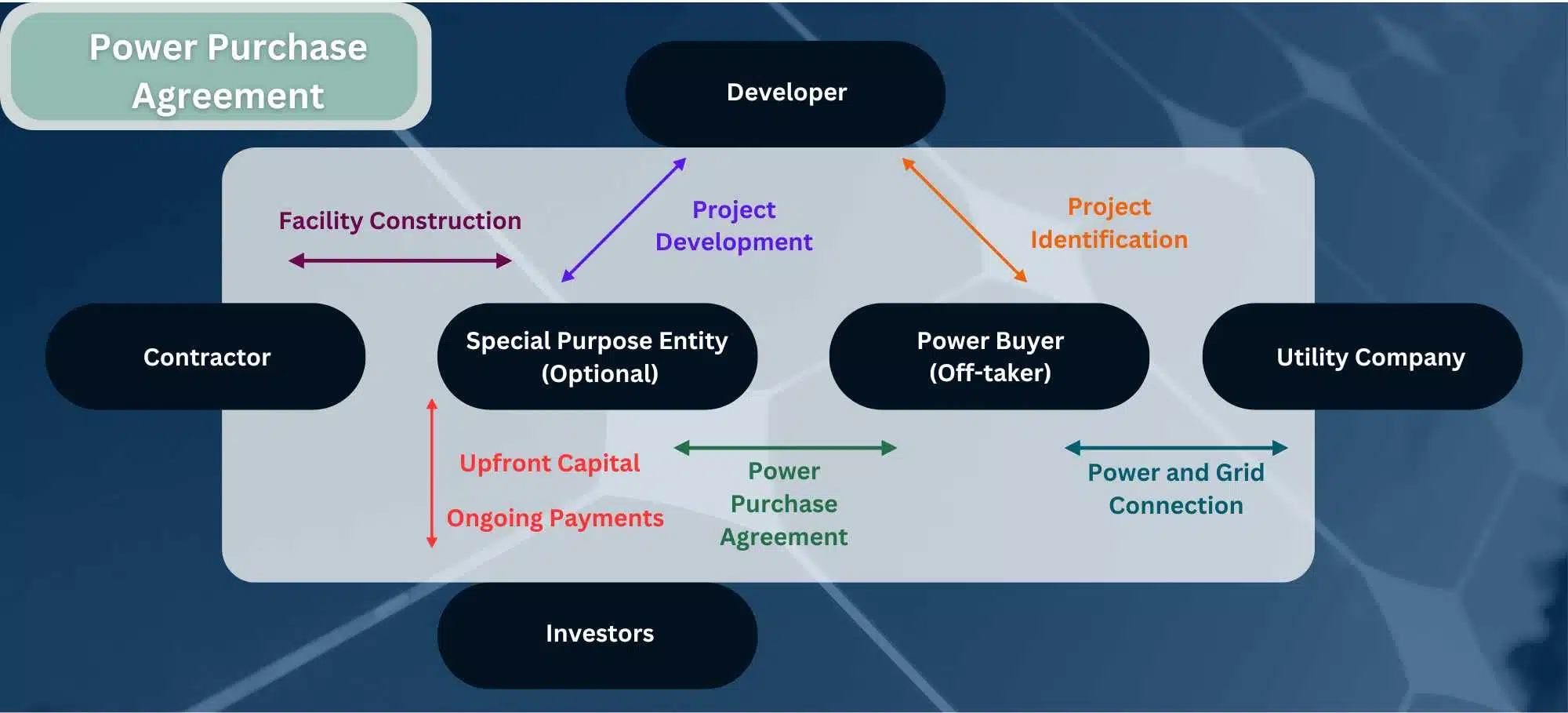
You need a guarantee. You need someone to promise, in writing, that they will buy your power for a very long time. Enter the PPA. At its heart, it’s a long-term contract between a power producer (the folks making the electricity, like that solar farm owner) and a power consumer (the folks who need oodles of electricity, like a big tech company, a city, or even your local utility company).
Think of it like pre-ordering your coffee, but instead of for a week, it's for 15-25 years. And instead of coffee, it’s megawatts of clean, sparkly electricity. Simple, right?
Why Do These Things Exist? (The "Unpopular" Opinion Strikes Again)
Now, you might be thinking, "Why bother with such a complex contract? Why can't everyone just buy power on the open market?" Ah, my friend, that's where the genius of the PPA shines, and why it's not boring at all!
For the Power Producer: Building a colossal wind farm isn't a hobby. It's a massive investment. No bank is going to lend you billions without knowing you have a guaranteed buyer for your product. A PPA provides that crucial financial certainty. It locks in sales for years, making banks happy to fund those enormous projects. No PPA, very often no big renewable power plant.
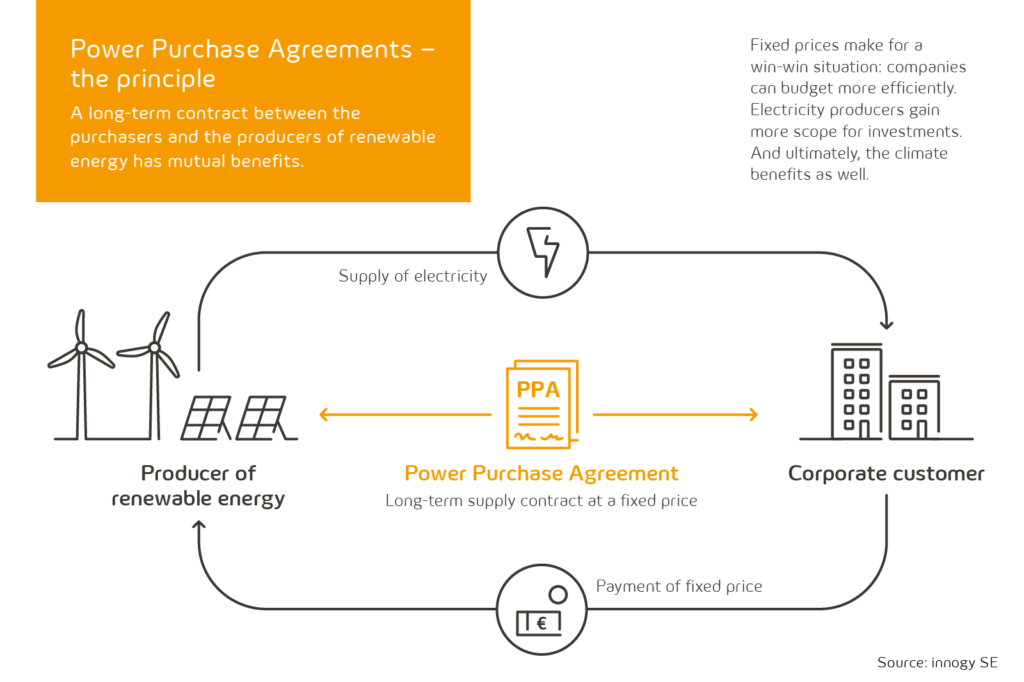
For the Power Consumer: Why would a giant corporation commit to a 20-year energy deal? Because electricity prices can be like a wild rollercoaster ride. One day they're up, the next they're down. A PPA offers price stability. Buyers can lock in a fixed rate (or a predictable escalating rate) for their power, shielding them from market volatility. It’s like locking in your grocery prices for a decade – you’d be a superhero! Plus, let's be real, it's a huge boost for their green cred. Companies love to loudly declare they're powered by 100% renewable energy, and PPAs are how they often make that happen.
"It's like getting a bulk discount on sustainability, with a built-in hedge against future energy bills. Who said financial instruments can't be good for the planet?"
How They Really Work (Without the Jargon Headaches)
Okay, let's peel back another layer, but still keep it light. What are the key ingredients in a PPA stew?
- The Price: This is the juicy bit. It can be a simple fixed price per unit of electricity (like buying apples at a set price). Or it can escalate slightly over time, like your rent (but hopefully less dramatic). Sometimes it’s a combination, or even tied to market prices with a floor and a ceiling. The goal? Predictability!
- The Term: We're not talking a casual fling here. PPAs are serious commitments, typically ranging from 10 to 25 years. This isn't just signing up for a new streaming service; it's practically a marriage certificate for electrons.
- The Volume: The buyer often agrees to purchase all the power produced by a specific project (say, that one solar farm), or a set amount of electricity. No leftover electrons allowed! It ensures the power producer has a market for every watt they generate.
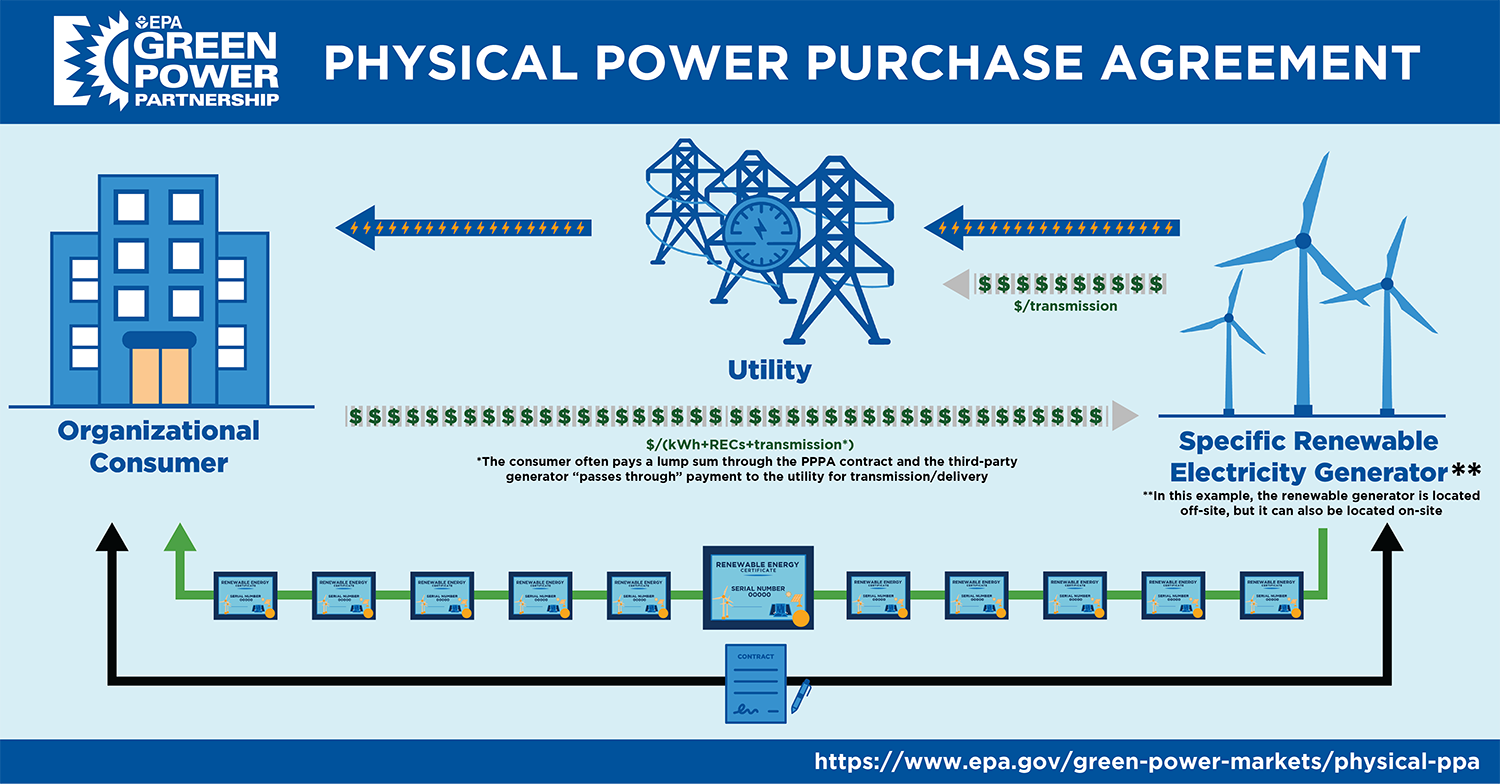
- The Delivery: This can get a tiny bit technical, but let's keep it simple. Sometimes, the power literally flows directly from the renewable project to the buyer's facility (a "physical PPA"). More often, especially for large companies or when the project is far away, it's a "virtual PPA." This means the renewable power goes into the general grid, and the PPA is a financial contract that guarantees the amount of power consumed by the buyer is matched by renewable generation somewhere on the grid. It's like buying a renewable energy credit to offset your consumption.
My Unpopular Opinion Stands!
So, the next time you glance at your utility bill, or read a headline about a big company going "100% green," remember the humble, yet mighty, Power Purchase Agreement. These seemingly complex, jargon-filled documents are the unsung heroes of our energy world. They are the glue holding a lot of our modern energy transition together.
They make it financially viable to build massive renewable projects, helping us all move towards a cleaner future. They give big businesses predictability in their massive energy costs. And yes, ultimately, they help ensure your phone charges every night, powered by something a little cleaner, a little more predictable, and a lot more intentionally planned.
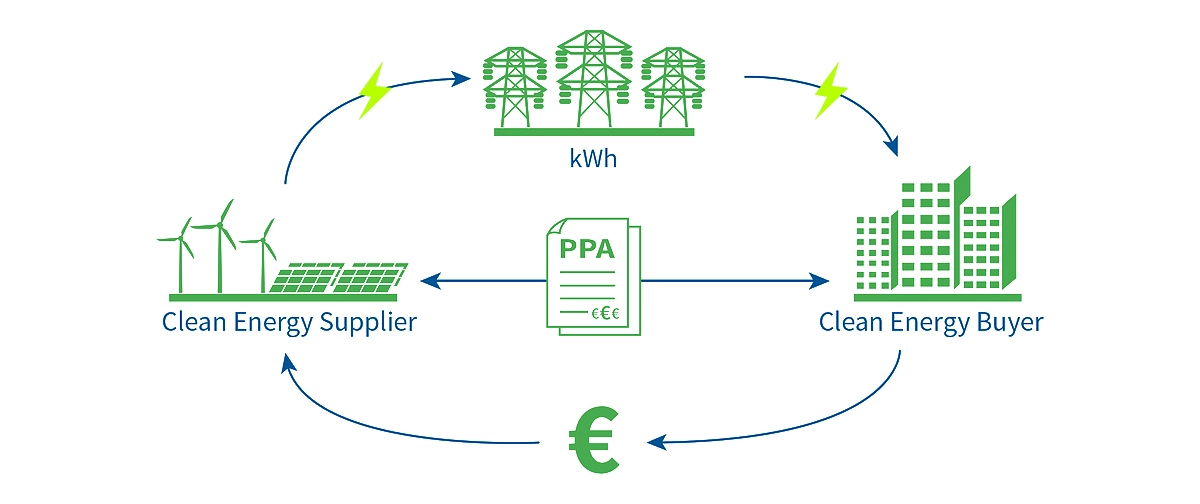
From massive wind farms to sprawling solar arrays, a hidden PPA is likely the secret sauce making it all tick. They are the grand architects of our energy future, one long-term contract at a time. And that, my friends, is anything but boring.
"My unpopular opinion stands: Energy contracts are secretly the coolest contracts. Pass it on."