
How Do I Test My Carbon Monoxide Detector

Ever wonder about those little gadgets keeping watch over your home? We’ve all got smoke detectors, but what about their often-overlooked cousin, the carbon monoxide (CO) detector? It might not sound like the most thrilling topic, but understanding how to test yours is actually a super empowering piece of knowledge. It’s about taking an active role in your home’s safety, making sure those silent guardians are truly doing their job. Think of it as giving your peace of mind a quick, reassuring check-up!
So, what exactly is a carbon monoxide detector doing for you? Well, it’s a vigilant sentinel against carbon monoxide, often called the "silent killer." This gas is completely undetectable by human senses – it’s colorless, odorless, and tasteless. It can come from a range of common household sources like faulty furnaces, gas stoves, water heaters, or even car exhaust if you have an attached garage. When inhaled, it robs your blood of oxygen, leading to serious illness or even death. That's where your CO detector comes in! Its sole purpose is to be your early warning system, sniffing out this invisible danger before it can harm you or your loved ones. The benefit? Pure and simple: it saves lives.
You’ll find these crucial devices in nearly every home today, particularly those with fuel-burning appliances. They're essential in apartments, RVs, cabins, and even boats. In daily life, knowing how to test them empowers you to be a proactive homeowner or renter. It’s not just for adults either; teaching children what a CO alarm sounds like and what to do if it goes off is a vital part of home safety education. Imagine a quick drill where everyone knows the sound means "get out!" It builds an important foundation for awareness and quick action, turning a potentially scary situation into a manageable one with preparedness.
Must Read
Now for the fun part: how do you actually test this vital gadget? It’s surprisingly simple! Most detectors have a prominent "Test/Reset" button. Press and hold it for a few seconds. You should hear a very loud, piercing alarm – a series of beeps, just like a smoke detector. This sound confirms that the detector's electronics are working, the battery has power, and the alarm siren is functional. It’s important to remember that this button only tests the internal circuitry and alarm horn, not the actual CO sensor itself.
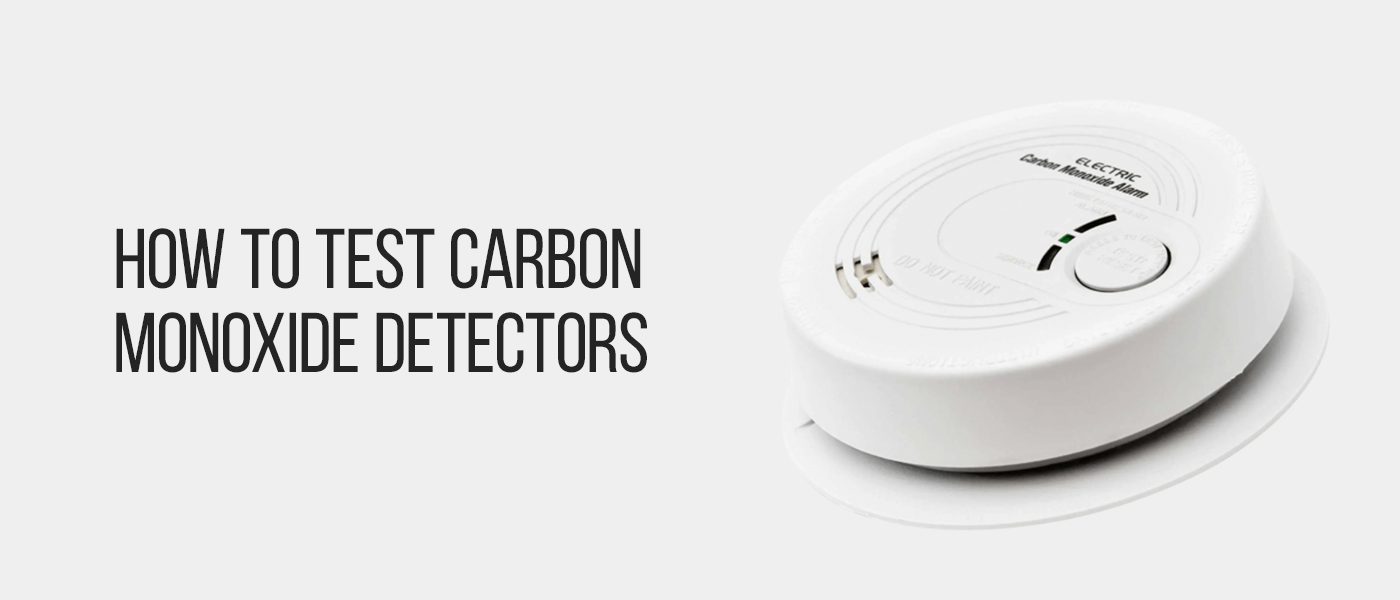
Beyond the test button, there are a couple of other crucial checks. First, change the batteries regularly. A common, easy-to-remember tip is to do it twice a year, perhaps when you adjust your clocks for Daylight Saving Time. Second, and this is a big one, carbon monoxide detectors have an expiration date. They don't last forever, as their internal sensors degrade over time. Most models have a lifespan of about 5 to 7 years. Look on the back or side of your unit for a "replace by" date. If it’s past due, you need a new one!
Finally, ensure your detectors are placed correctly – typically on every level of your home and near sleeping areas. Explore your detector’s manual; it often contains specific recommendations for placement and testing frequency. Taking these simple steps ensures your silent guardian is always ready, offering you genuine peace of mind and keeping your home a truly safe haven.


