
How Do I Know If My Leach Field Is Bad
Alright, let's talk about something that might not exactly be dinner party conversation material, but trust me, it’s far more important than you think: your leach field. Yes, I know, the very words sound a bit… industrial? Unflattering? But hang in there, because understanding this unsung hero of your home can actually bring you a surprising amount of peace, comfort, and even a little bit of joy. Think of it as uncovering a secret superpower for your household happiness!
We’re not talking about plumbing disasters here (though a bad leach field can certainly lead to those!), but rather about being proactive and empowered. Learning the signs of a struggling leach field isn't about doom and gloom; it's about becoming the ultimate home detective, protecting your investment, and ensuring your sanctuary remains, well, a sanctuary! Who knew home maintenance could be so empowering?
So, What Exactly IS a Leach Field, Anyway?
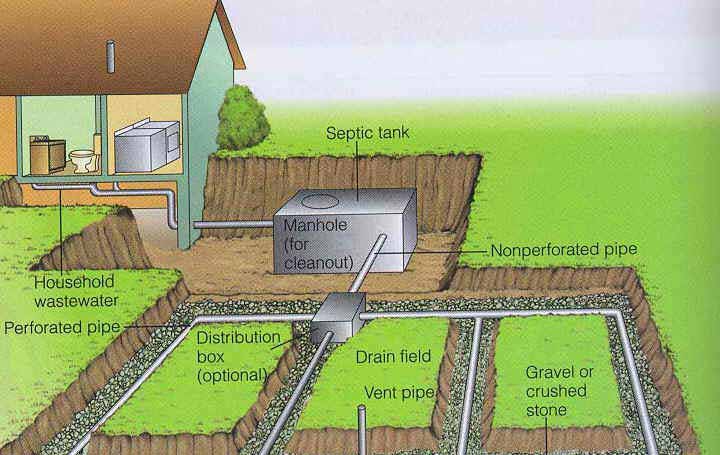
Imagine your septic system as a diligent waste processing plant. Your septic tank is the first stop, separating solids from liquids. But where do those liquids go? That's where your leach field (also called a drain field or absorption field) comes in! It’s essentially a network of perforated pipes buried in gravel and soil, designed to naturally filter and disperse the wastewater back into the ground. It’s a marvel of eco-engineering right in your backyard! When it’s working well, you don’t even know it’s there, doing its silent, important work.
Must Read
But what happens when this subterranean superstar starts to falter? How do you know if your leach field is waving a little white flag, asking for help? Let’s dive into the tell-tale signs, and remember, spotting them early makes you a home hero!
The "Uh-Oh" Signals: How to Spot a Struggling Leach Field
1. The Great Backyard Puddle Mystery (or Squishy Spots!)
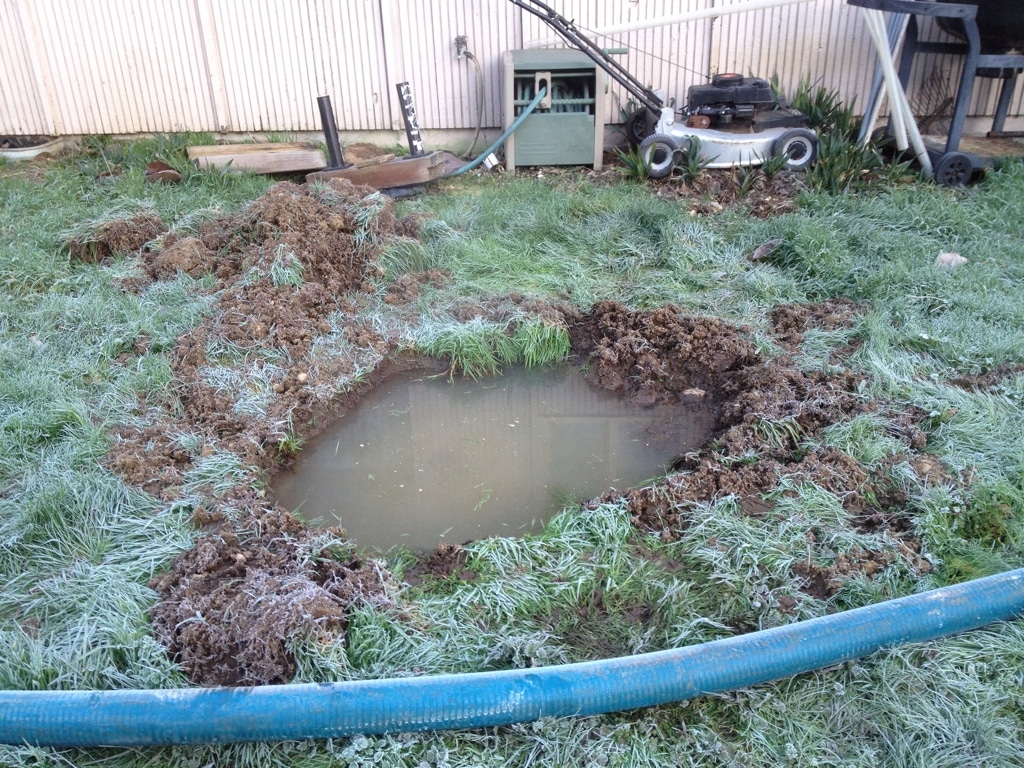
This is often the most obvious (and least appealing!) sign. If you notice standing water or unusually wet, squishy patches in your yard, particularly after a lot of water usage in the house (laundry day, anyone?), your leach field might be saturated. Instead of the wastewater peacefully percolating through the soil, it's bubbling up to the surface. It's like your backyard is trying to tell you, "Hey, I'm overloaded!"
Think of it as your lawn having a mini water park... but not the fun kind. Seeing these puddles, especially over the area where your leach field is located, is a big red flag.
2. Uninvited Guests: Foul Odors
Let's be blunt: sewage smells. If you catch a whiff of unpleasant, rotten-egg-like, or frankly, sewage odors around your yard, especially near the leach field area, that’s a pretty strong indicator that things aren’t flowing as they should. The wastewater isn't being properly absorbed and is instead releasing its less-than-pleasant gases into the air.
This isn’t just an aesthetic issue; it’s a sign of a system that’s failing to do its job. Your nose knows, and in this case, it’s probably trying to warn you! Don't just hold your breath; investigate!
3. The Slow-Mo House Drains & Backup Blues
Are your toilets flushing slowly? Is your shower water pooling around your ankles? Are you hearing gurgling from drains when you’re not even using them? These aren't just annoying quirks; they could be a cry for help from your entire septic system, with the leach field often being the bottleneck.

When the leach field is clogged or saturated, it can't accept more water, causing a backup all the way into your house's plumbing. Nobody wants to deal with a sewage backup, right? This is where being proactive really pays off!
4. The Unusually Green and Lush Patch
Now, this one might seem counterintuitive. Who doesn’t love a lush, green lawn? But if you notice an area of your lawn directly over the leach field that is significantly greener, taller, or lusher than the surrounding grass, it could be a sign of trouble.
Why? Because wastewater is rich in nutrients (ick, I know, but true!). While plants love nutrients, an excess can indicate that the wastewater is reaching the surface and "fertilizing" that specific spot more than it should. It's like your lawn is getting a special (and problematic!) boost.
5. Gurgling Sounds From Pipes or Toilets
Have you ever heard a toilet gurgle seemingly on its own, or a drain make odd bubbling noises when nothing is going through it? These peculiar sounds can be a symptom of air displacement in your plumbing system due to a blockage or backup in the leach field. It's the sound of your pipes struggling to push water through a system that's already full. It’s like your house is trying to clear its throat!
6. Contaminated Well Water (The Invisible Threat)
This is a more serious and less visible sign, particularly for homes with private wells. If your leach field isn't properly treating wastewater, harmful bacteria and nitrates can seep into the groundwater and potentially contaminate your well. Regular well water testing is crucial, and if tests show contamination, your leach field is a primary suspect. This is a big one for your family’s health and safety, making regular checks truly life-saving.
Why Should I Care? (Beyond the Obvious!)
Beyond avoiding messy backups and funky smells (which are pretty good reasons on their own!), understanding your leach field protects your:

- Home Value: A failing septic system can significantly reduce your property's value.
- Family Health: Untreated wastewater can spread harmful pathogens.
- Environment: Proper treatment protects local water sources and ecosystems.
- Peace of Mind: Knowing your system is healthy means one less thing to worry about. Imagine that!
Don't Panic, Be Empowered!
Spotting one of these signs isn’t the end of the world; it’s actually a victory! You’ve become aware, and awareness is the first step toward a solution. It means you can take action before a small problem becomes a major headache (and expense!). Think of yourself as a detective, not a victim!
If you suspect your leach field might be struggling, the best course of action is to call a qualified septic professional. They can inspect your system, diagnose the problem, and recommend the best solutions, whether it’s maintenance, repair, or replacement.
Your Home, Your Happiness!
See? Even a topic as seemingly dull as a leach field can be a source of empowerment and knowledge! By understanding these crucial signs, you’re not just maintaining a household appliance; you’re preserving your home's value, protecting your family’s health, and contributing to a healthier environment. That’s pretty inspiring, right?
So go on, be the savvy homeowner you were meant to be. Take a moment to understand your home’s hidden systems. A little knowledge goes a long way toward a happier, healthier, and certainly less smelly home life. Who knew becoming a leach field expert could feel so good? Now go forth and conquer your home knowledge!