
How Do I Improve Wifi Signal Strength
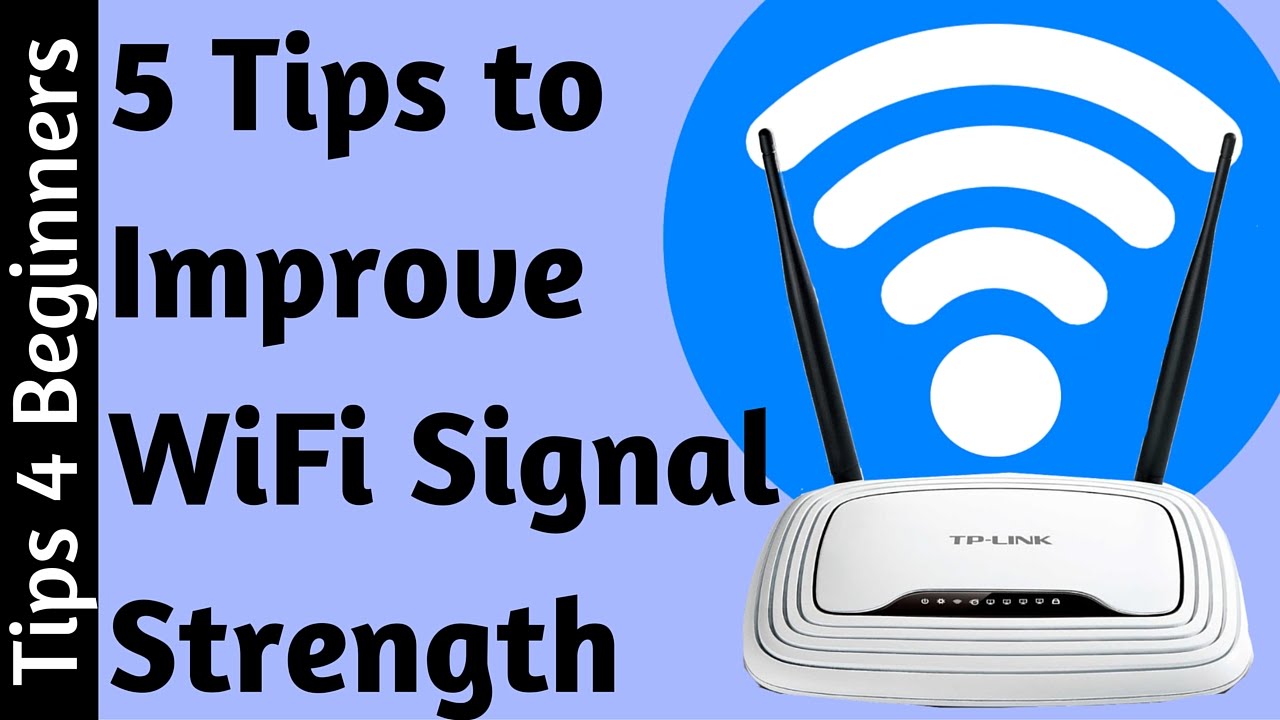
Ah, the modern dilemma: you've got your favorite show lined up, your perfectly brewed coffee, maybe even a cozy blanket, and then... the dreaded spinning wheel. Or perhaps you're in the middle of a crucial video call, and suddenly, you're pixelated into oblivion. Sound familiar? We've all been there, staring accusingly at our Wi-Fi router as if it personally betrayed us. But before you declare war on your internet service provider, let's talk about some surprisingly simple, often overlooked ways to give your home Wi-Fi signal a much-needed boost. Think of it as a little digital detox for your connectivity – and a whole lot cheaper than a new router!
Router Placement: The Unsung Hero
Let's be honest, most of us treat our routers like that one weird lamp we inherited – tucked away in a corner, hidden behind books, or shoved into a cupboard. But dear friend, your router isn't shy; it's a broadcasting superstar! The single most impactful change you can make is giving it a
Imagine your Wi-Fi signal as a ripple in a pond. You want it to spread out evenly. That means your router should ideally be in a
Must Read
Also, elevate it! Signals radiate outwards and downwards, so placing your router on a shelf or a desk, rather than on the floor, can make a significant difference. Think of it as finding the perfect high-rise view for your internet.
Antenna Angles: A Subtle Art
If your router has adjustable antennas, don't just leave them pointing randomly. There's a method to the madness! For optimal coverage, try pointing one antenna

Battling Digital Interference
Your home is a bustling hub of electronic activity, and sometimes, your devices just aren't playing nice. Many common household appliances, like
Fun Fact: Microwaves actually work by emitting radio waves at around 2.45GHz to excite water molecules – precisely the same frequency band as your Wi-Fi! So, if your internet slows to a crawl when you're heating leftovers, now you know why.
Keep these devices away from your router and, if possible, consider switching your router to the 5GHz band for devices that support it. The 5GHz band offers faster speeds and less interference, though its range isn't quite as extensive as 2.4GHz.
Firmware: Your Router's Brain Power
Just like your smartphone or laptop, your router has software – called firmware – that needs occasional updates. These updates often include
Time for an Upgrade?
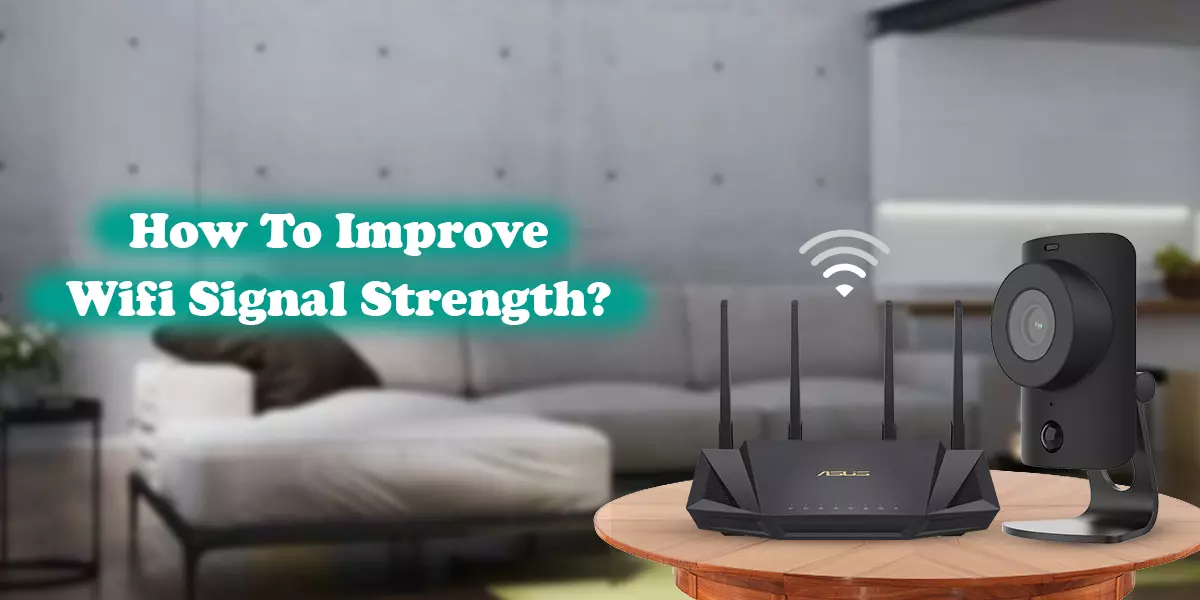
Sometimes, despite your best efforts, your trusty old router might just be past its prime. Technology evolves rapidly, and older routers simply can't keep up with the demands of modern internet usage – streaming 4K, multiple smart devices, online gaming, and WFH calls. If your router is more than a few years old, consider upgrading to a newer model with
For larger homes, a

Channel Surfing for Better Signals
Imagine your Wi-Fi signals are cars on a highway. If everyone is on the same lane, traffic slows down. Wi-Fi channels are similar. Your router broadcasts on a specific channel, and if your neighbors are using the same one, you'll experience congestion. Using a free Wi-Fi analyzer app (available for both Android and iOS), you can scan your area to see which channels are least crowded. For the 2.4GHz band, channels
The Security Layer: Keeping It Tight
Finally, a quick security check. Are you still using the default password for your Wi-Fi? Or maybe one that's a little too easy to guess? An unsecured network is an open invitation for digital freeloaders. Unauthorized users can not only pose a security risk but also
Improving your Wi-Fi signal doesn't always require a deep dive into tech wizardry or a hefty investment. Often, it's about making a few smart, practical adjustments to your existing setup. These small tweaks can transform your digital life, turning frustrating buffering into seamless streaming, and patchy video calls into crystal-clear conversations. It’s about reclaiming your digital peace of mind and making your home a truly connected sanctuary. So go ahead, give your router a little love, and enjoy the smooth sailing that follows!