How Do I Connect A Portable Generator To My House

Ever found yourself in the dark during a storm, wishing for a touch of modern magic to keep the fridge cold, the Wi-Fi humming, and that precious coffee maker brewing? You're not alone! Connecting a portable generator to your home isn't just practical; it makes you the hero of your household during an outage, bringing immense peace of mind. The purpose is clear: to maintain essential services like your refrigerator, freezer, furnace fan, lights, and device chargers when the grid goes down. The benefit? Avoiding spoiled food, chilly nights, and enjoying comfort when everyone else is fumbling for candles.
Now, let's get to the 'how,' and this is where safety absolutely comes first. Connecting a generator to your house's electrical system incorrectly can be incredibly dangerous. The biggest risk is "backfeeding" – sending power from your generator back onto the utility lines, which can electrocute utility workers. For this reason, never, ever plug your generator directly into a wall outlet in your home. It's illegal and deadly.
The safe and correct way involves installing either an interlock kit or a manual transfer switch. Both prevent backfeeding by ensuring your house is connected to either the utility grid OR your generator, never both simultaneously. An interlock kit is a mechanical device on your main panel preventing utility and generator breakers from being on together. A manual transfer switch is a separate panel allowing you to selectively power specific circuits. Professional installation by a qualified electrician is highly recommended for either.
Must Read
Once your safe connection system is in place, here are the general steps:
- Placement: Operate your generator outdoors in a well-ventilated area, far from windows/doors, to prevent deadly carbon monoxide poisoning.
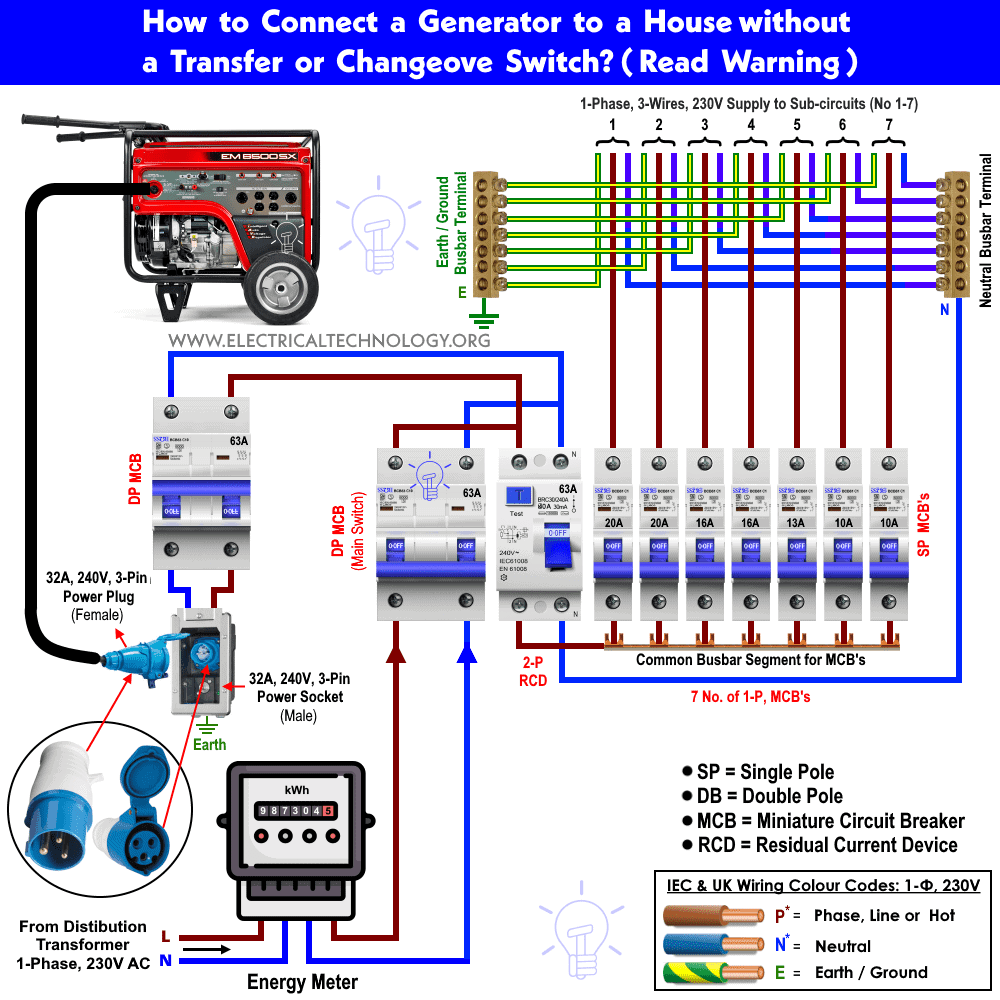
- Fuel Up & Connect: Ensure it's fueled, then connect it to your exterior generator inlet box using a heavy-duty generator cord.
- Start & Switch: Start the generator. Following instructions for your interlock or transfer switch, safely switch your home's power source from utility to generator.
- Manage Loads: Turn on selected circuits gradually to avoid overloading.
- Shut Down: When utility power returns, reverse the process: switch off generator circuits, switch back to utility power, then shut down your generator.
Connecting a portable generator safely and effectively to your house might seem complex, but with the proper equipment and understanding, it's an incredibly empowering step. Be prepared, stay safe, and enjoy the comfort of knowing you can keep your home running, even when the lights go out!