
How Do I Connect A Generator To My House

Ever been there? The lights flicker, then poof – everything goes dark. Your phone's at 15%, the fridge starts to groan, and suddenly that movie night turns into an impromptu candle-lit staring contest. In our modern world, where everything from our coffee maker to our Wi-Fi runs on a steady stream of juice, a power outage can feel less like a minor inconvenience and more like a sudden, unwelcome journey back to the Stone Age.
But what if it didn't have to be that way? What if, when the grid takes an unannounced nap, your house could just… keep humming along? This isn't science fiction, folks; it's the magic of a home generator. If you've ever wondered how these power-packed heroes actually plug into your life, you're in for a treat. It’s a journey into resilience, comfort, and a little bit of electrical wizardry.
We're not just talking about firing up a single lamp here; we're talking about powering your fridge, your furnace, maybe even that all-important internet router! It’s like having your own personal, on-demand power station ready to spring into action. Pretty cool, right?
Must Read
The Basics: From Simple Plug-In to Seamless Power Flow
So, you’ve got this powerful box of potential energy. How does it talk to your house? Well, there are a few ways, ranging from the super-simple to the wonderfully integrated. Think of it like deciding how you want to get water from a well: do you carry individual buckets, or do you install a fancy plumbing system?
Method 1: The Bucket Brigade (Extension Cords)
This is probably the most straightforward approach. You roll out your trusty portable generator, fire it up, and then run a few heavy-duty extension cords directly from the generator to the specific appliances you want to power. Want to keep the fridge cold? Cord to the fridge! Need to charge your phone? Cord to the charger! It's great for emergencies when you only need a few essentials, but it can get a bit messy, and it’s certainly not powering your entire home.
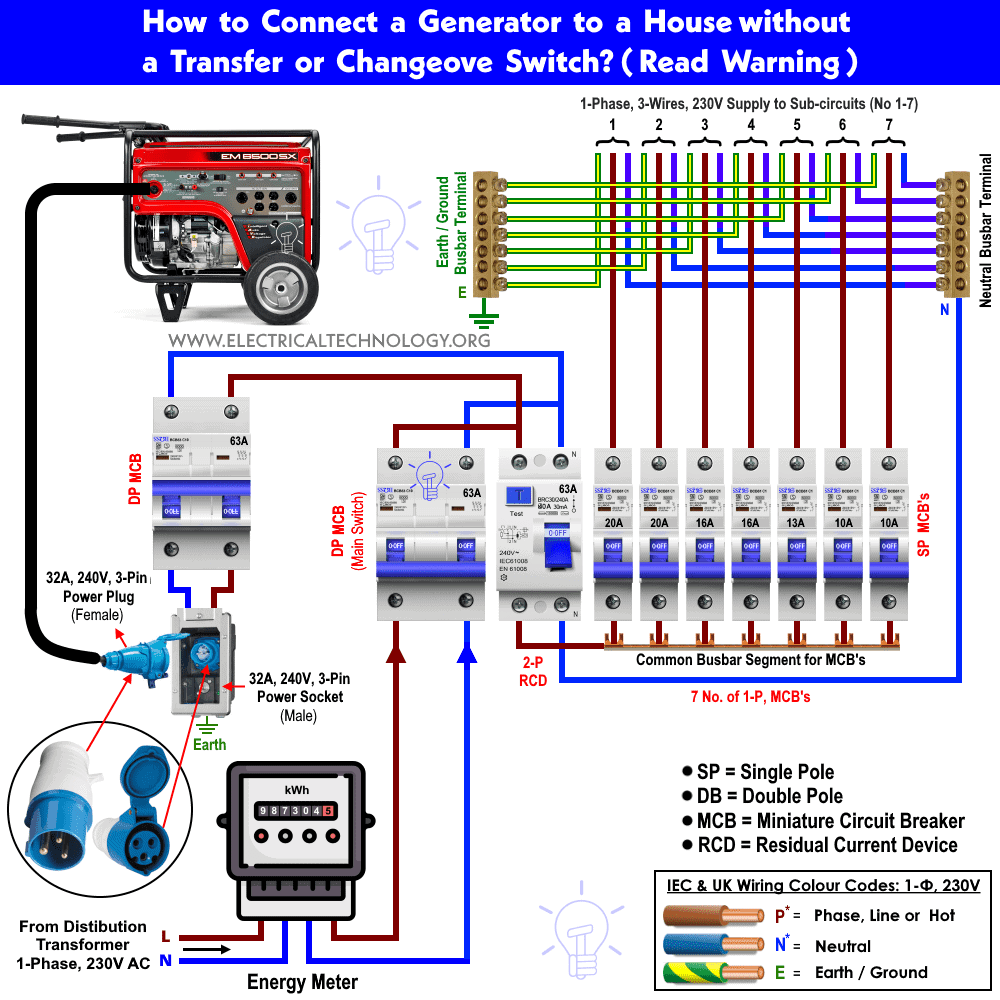
Method 2: The Traffic Cop (Manual Transfer Switch)
Now, this is where things get really interesting and, frankly, much safer and more efficient for powering multiple circuits. Imagine a special switch, installed by an electrician, usually near your main electrical panel. This isn't just any switch; it's a critical piece of equipment called a manual transfer switch.
This clever device acts like a traffic cop for your home's electricity. When the grid power goes out, you start your generator and plug it into a special inlet box on the outside of your house. Then, inside, you flip the transfer switch. It literally disconnects your house from the utility company's lines and connects it to your generator's power instead. This is incredibly important for safety! It prevents something called backfeeding – sending power back onto the grid, which can seriously injure or even kill utility workers trying to fix the outage. Nobody wants to be the inadvertent supervillain of the power grid, right?
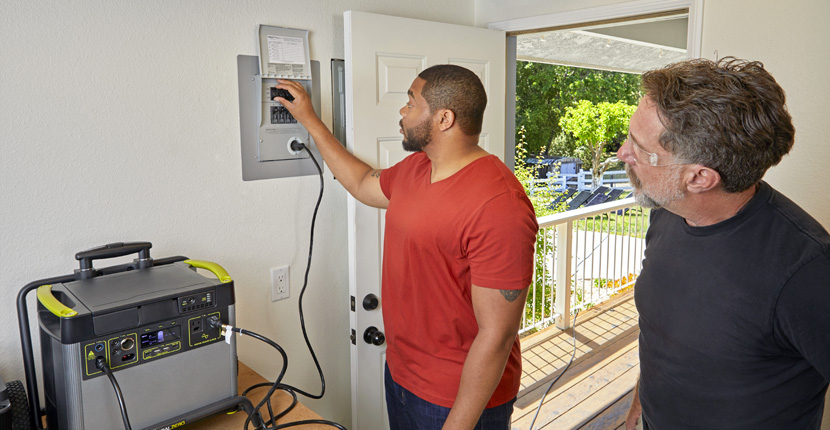
With a transfer switch, you can select which circuits you want to power – maybe the kitchen, a few lights, and your furnace. It's a much cleaner, safer, and more integrated way to bring backup power into your home, letting you use wall outlets just like normal, within the limits of your generator's capacity.
Method 3: The Ghost in the Machine (Automatic Standby Generator)
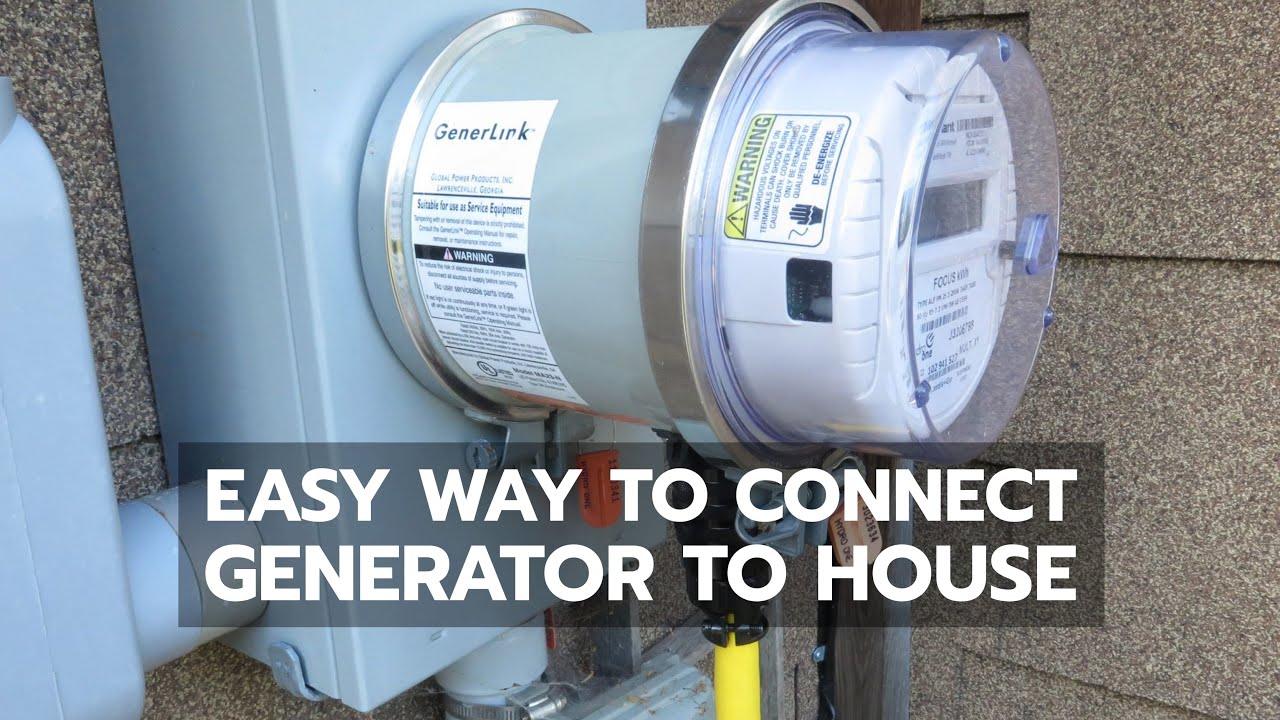
For the ultimate in convenience, there are automatic standby generators. These are like the ninja warriors of backup power. They’re permanently installed outside your home, often run on natural gas or propane, and are connected directly to your electrical panel via an automatic transfer switch. When the power goes out, they sense it, start themselves up, switch your house over, and voilà – you might not even notice the power ever left! When utility power returns, they shut down and switch everything back. Talk about seamless!
Why It's So Empowering (And Safe!)
Beyond just keeping the lights on, connecting a generator safely to your house offers a profound sense of empowerment. It's like having a secret superpower against the whims of nature or infrastructure. Imagine cooking dinner during a storm while your neighbors are huddled in the dark! Or being able to work from home without interruption when everyone else is scrambling for Wi-Fi at a coffee shop.
It's about maintaining comfort, protecting your food, and staying connected when the world outside might be in chaos. You're not just buying a piece of equipment; you're investing in peace of mind and a little slice of modern self-reliance. It’s about taking control, isn’t it?
Now, while this all sounds incredibly cool, and it is, there's a vital asterisk here: safety first, always. Dealing with electricity, especially when you're connecting a powerful generator to your home's electrical system, is not a DIY YouTube tutorial project unless you are a qualified electrician. Improper connections can be dangerous for you, your family, and utility workers.

This is why understanding the role of a transfer switch and, more importantly, having a licensed, qualified electrician handle the installation is non-negotiable. They ensure everything is wired correctly, safely, and up to code, giving you that wonderful backup power without any terrifying risks. It's an investment in both comfort and security.
Ready to Power Up Your Preparedness?
So, connecting a generator to your house isn't just about plugging in; it's about thoughtful integration, smart safety measures, and gaining an incredible sense of security. Whether you opt for the simple cord approach for a few essentials or dive into the full home integration with a transfer switch, the idea of having reliable backup power is undeniably compelling.
It transforms those "oh no!" moments into "no problem!" moments. And isn't that a wonderfully curious and comforting thought to have in a world full of surprises?