
How Do Aloe Vera Plants Reproduce
Have you ever wondered how that soothing aloe vera plant on your windowsill manages to create more of itself? It's a fascinating journey into the world of plant reproduction, and understanding it can deepen your appreciation for this versatile and beneficial plant. Plus, knowing how aloe vera propagates means you can easily expand your own collection and share the goodness with friends and family!
Why is knowing about aloe vera reproduction relevant? Well, beyond satisfying simple curiosity, it empowers you to cultivate more of a plant known for its incredible healing properties. Aloe vera is a succulent celebrated for its gel, which is packed with vitamins, minerals, and antioxidants. The primary purpose and benefit of aloe vera is its ability to soothe burns, cuts, and other skin irritations. The gel’s compounds promote faster healing and reduce inflammation. It’s a natural remedy that has been used for centuries.
The gel isn't just for sunburns though. Some people use it to moisturize their skin, treat acne, or even as a hair conditioner. While more research is ongoing, some studies suggest potential benefits for digestive health when consumed internally (though consulting a doctor is always recommended before ingesting aloe vera). In educational settings, aloe vera plants can be used in biology classes to illustrate concepts of plant propagation and adaptation. In daily life, you might find aloe vera in lotions, drinks, and even some food products. The possibilities are diverse, making it a valuable resource to have around.
Must Read
So, how does this miracle plant reproduce? Aloe vera primarily reproduces through two methods: offsets (also known as pups) and, less commonly, through seeds. Think of offsets as little clones sprouting from the base of the mother plant. These are essentially baby aloe vera plants, complete with their own roots, growing right next to their parent. This is the most common and easiest way to propagate aloe vera. The purpose of these offsets is to ensure the survival and expansion of the aloe vera plant. By creating genetically identical copies, the plant increases its chances of thriving in various environments.
Growing from seeds is less reliable and takes much longer, as it requires pollination and specific environmental conditions. It's generally not the preferred method for home gardeners. Therefore, let's focus on the pups!
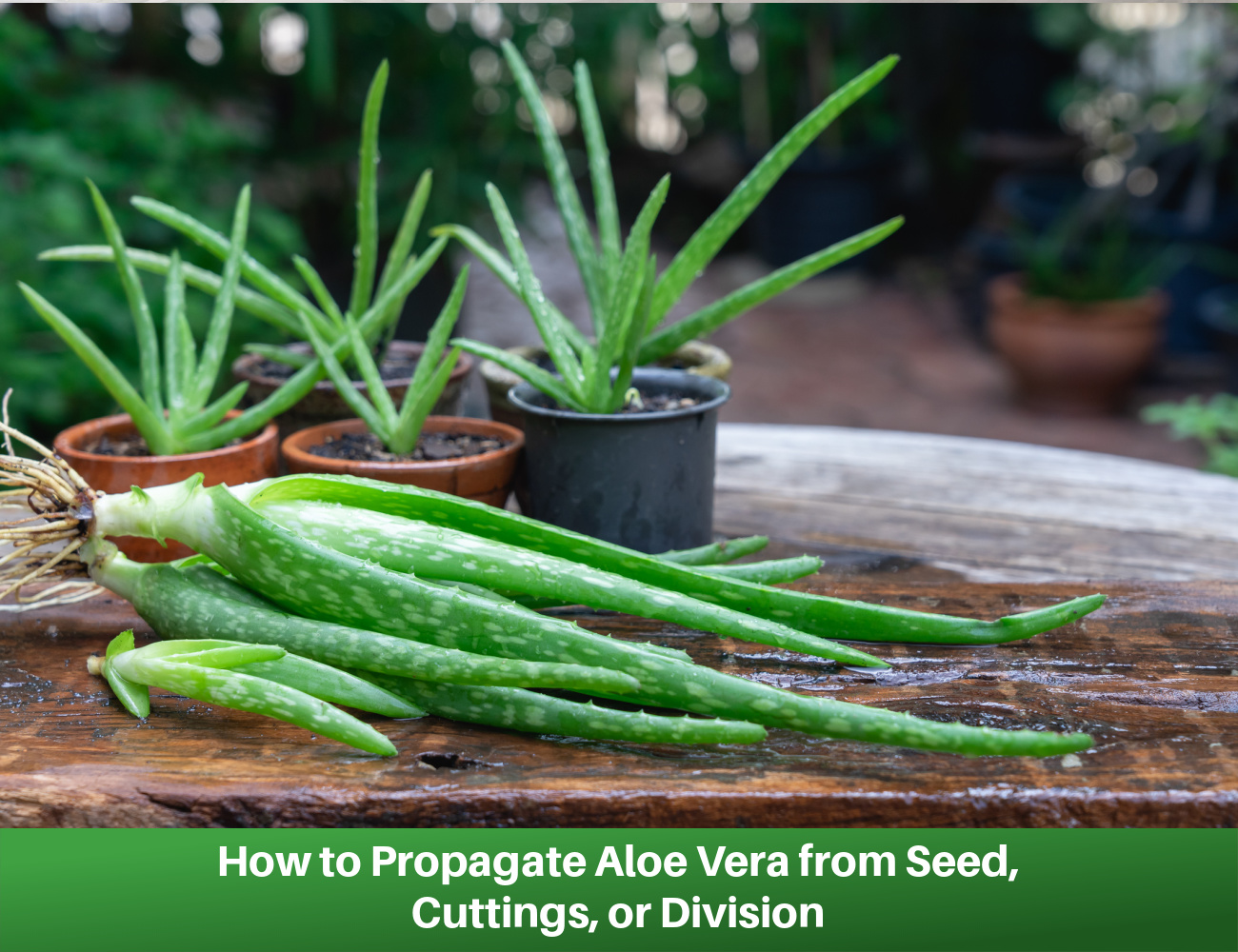
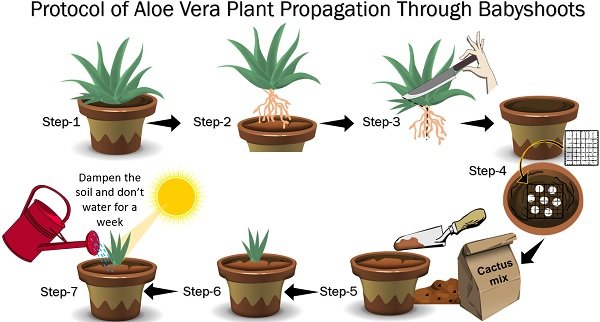
Here are some practical tips for propagating your aloe vera from offsets: First, wait until the pups are at least a few inches tall and have their own established roots. Carefully remove the mother plant from its pot. Gently separate the pups from the main plant, using a clean knife if necessary. Try to preserve as many roots as possible on the pup. Let the pups callous over for a day or two to prevent rot. Then, plant each pup in its own small pot with well-draining soil specifically formulated for succulents. Water sparingly, allowing the soil to dry out completely between waterings. And that’s it! You’ve successfully propagated your aloe vera!
To explore this further, take a close look at your own aloe vera plant. Can you see any small pups forming at the base? Document their growth over time, taking pictures and noting any changes. Try propagating one of these pups and observe its development. This hands-on experience will solidify your understanding of aloe vera reproduction and deepen your appreciation for the amazing resilience and adaptability of this plant. So, get curious, get planting, and enjoy the process of growing your own aloe vera army!


