How Can You Tell When A Car Seat Expires
Okay, deep breaths, friend. We need to talk car seats. I know, it's like navigating a jungle gym blindfolded! Just when you think you've got the straps sorted, a new worry pops up: the dreaded expiration date. Yes, your car seat, that trusty plastic fortress, actually has one. Wild, right?
It sounds a bit bonkers, right? Why would a hunk of plastic and fabric have a sell-by date? It's not milk! But stick with me, this isn't just a marketing ploy. This is legit safety business, and as parents, safety is kinda our superpower, even if we're mostly just winging it.
So, Do They Really Expire? (Spoiler: YES!)
Yup, they totally do. Before you groan about another to-do, let's unpack why. It's not just to vex us! Imagine your car seat as a tiny, specialized spaceship protecting your most precious cargo. Over time, even spaceships get worn.
Must Read
Think about it: that car seat lives a tough life! Sun, ice, spilled juice... all that temperature fluctuation and UV exposure does a number on materials. The plastic becomes brittle, and crucial strap webbing can stretch and degrade. Suddenly, that fortress isn't quite as impenetrable.
Plus, science marches on! Safety standards evolve, new materials developed. What was cutting-edge protection five or ten years ago might not be the absolute best today. Manufacturers update designs to meet new standards, meaning older seats weren't built to those higher specifications. It's about staying current with the best possible protection.
The Great Car Seat Expiration Date Hunt!
Alright, so we've established it's a thing. How do you find this elusive date? It's not plastered front and center, more like a hidden Easter egg. Most manufacturers make it relatively easy, once you know where to look. Grab a flashlight (parent eyes are perpetually tired, am I right?), and let's go hunting!
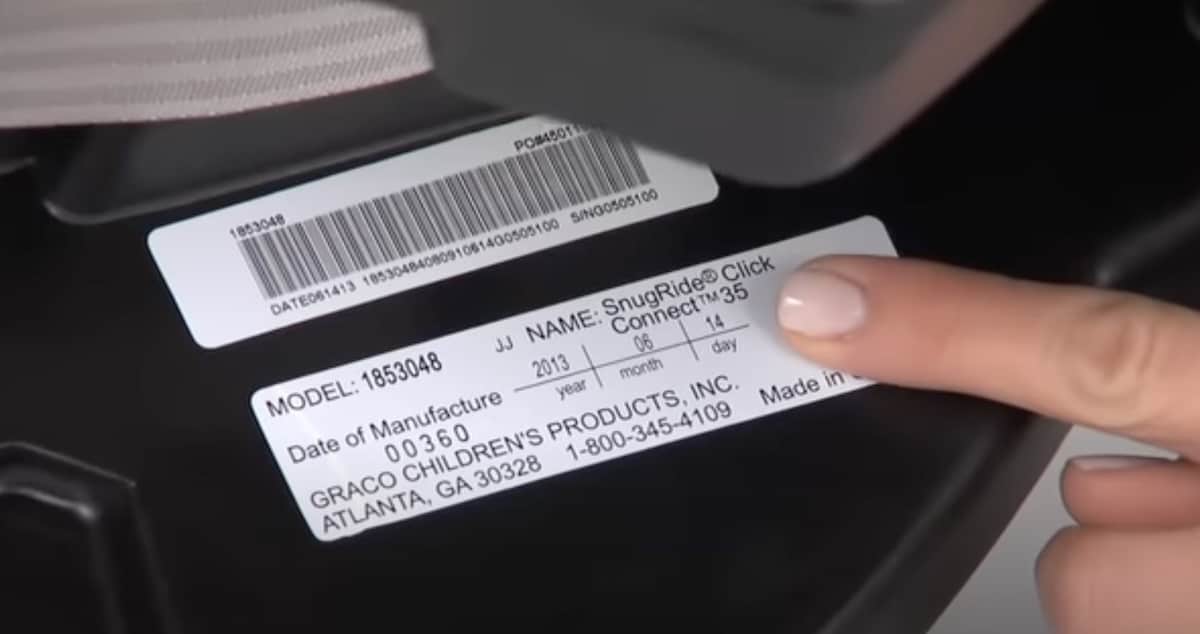
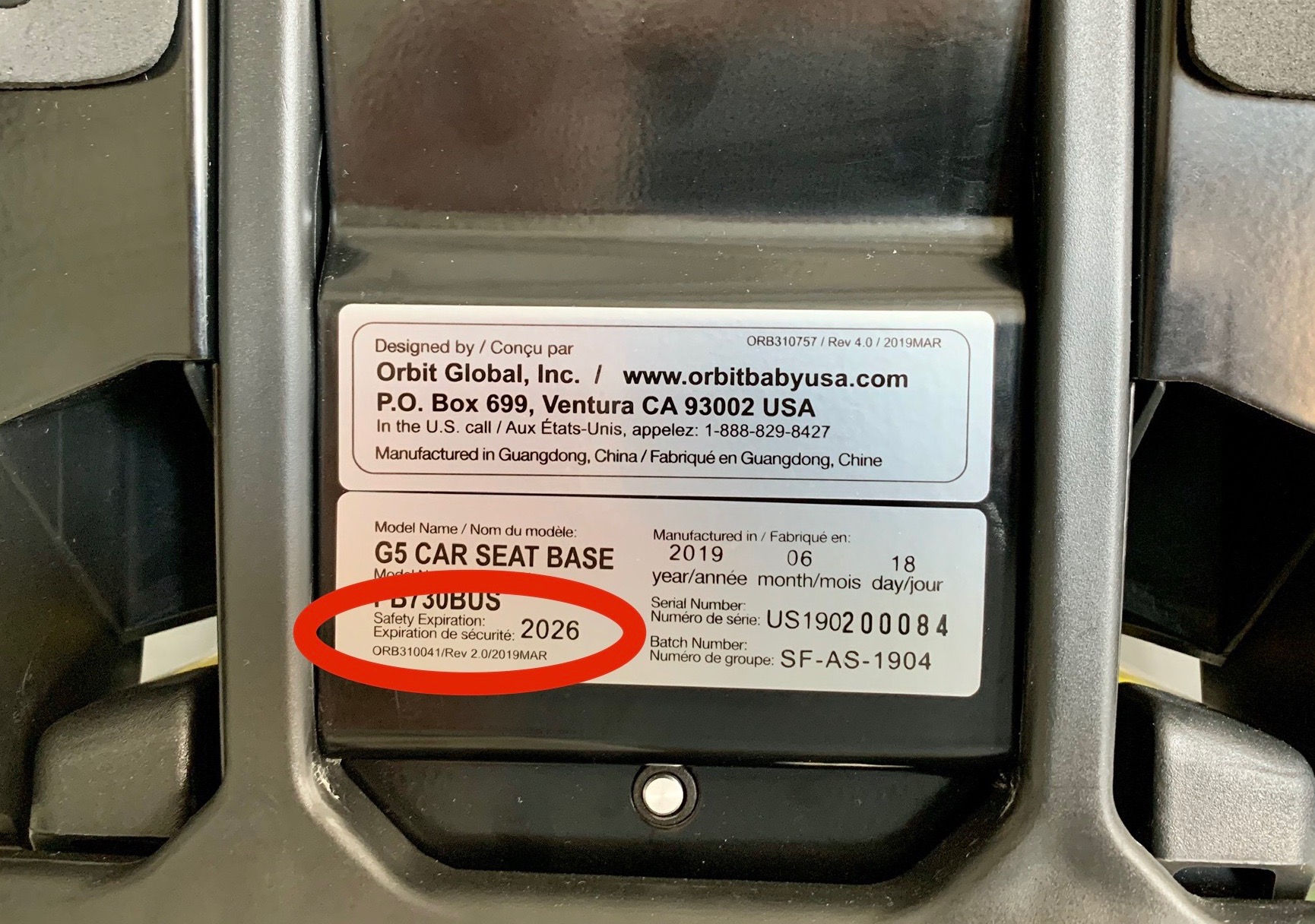
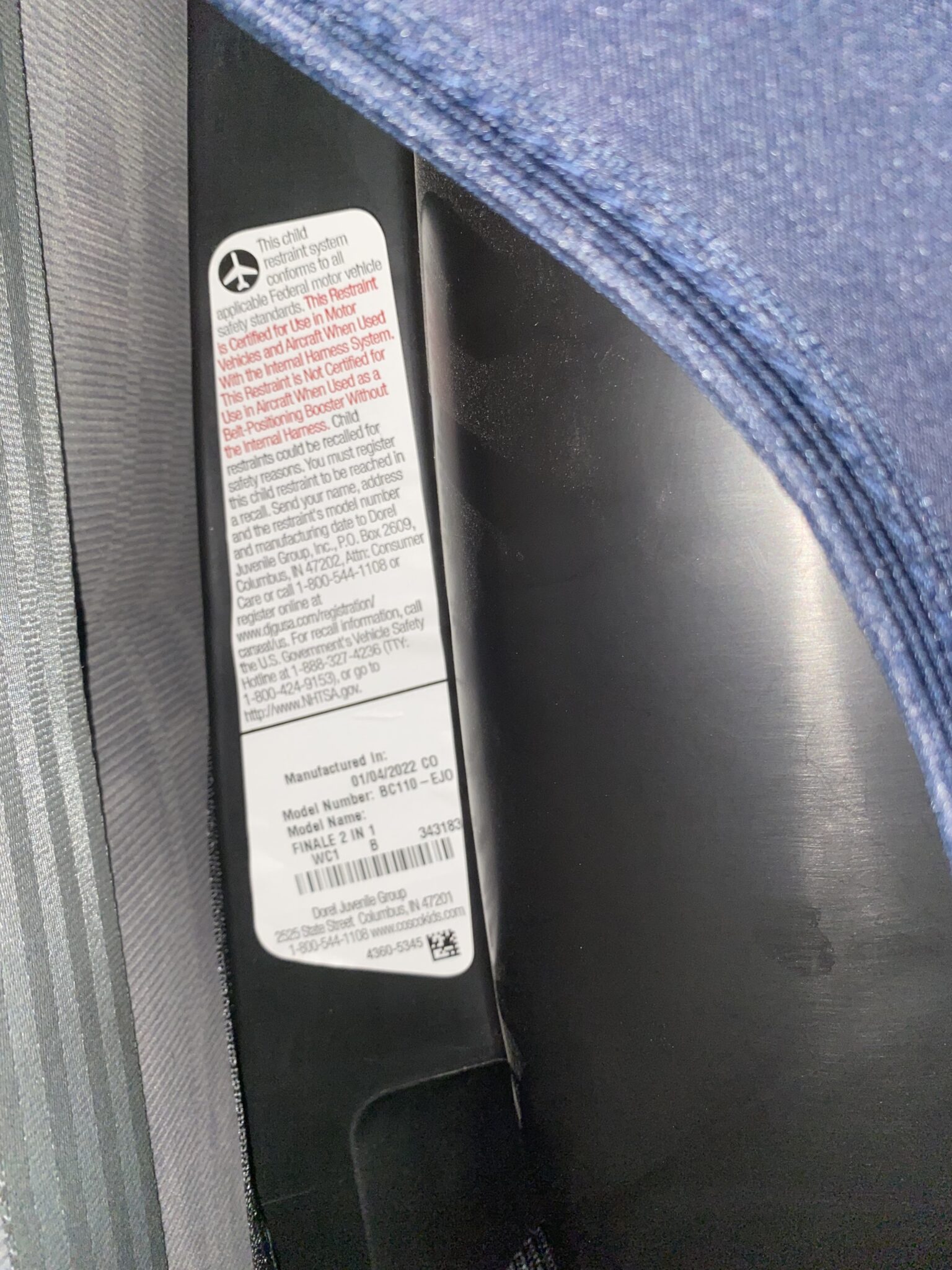
The first place to check is almost always on a sticker. This sticker is usually on the side or the bottom of the car seat. It's often a white or silver label with serial numbers and model names. But somewhere on there, you should see a "Do Not Use After" date, or an "Expiration Date." Bingo!
Now, here's a crucial distinction: you'll likely see a manufacture date (when the seat was born, basically). The expiration date is usually six to ten years after that, depending on the brand. Don't confuse its "birth date" with its "retire date"! If you only see a manufacture date, check your car seat's instruction manual (remember that mythical beast?). It'll tell you how many years past that date the seat is good for.
Lost the manual? (Welcome to the club!) No worries. Most car seat manufacturers have manuals online. Just hop onto their website, type in your model number (from that sticker!), and download it. Easy peasy!

"My Car Seat is Expired! What Do I Do?!"
First, don't use it. Seriously, do not use an expired car seat. No matter how perfect it looks, how clean it is, or how much money you spent. It’s just not worth the risk. Your child's safety is paramount, and a few extra years out of an old seat isn't worth a moment's doubt.
So, now what? Don't just toss it in the bin in one piece! We need to ensure no one else mistakenly picks it up. The best practice is to make it unusable. Cut the straps. Write "EXPIRED" or "UNSAFE" all over it with a permanent marker. If possible, take it apart. Check with your local recycling center; some accept car seat components or host specific events. Target and Walmart sometimes run trade-in events, a fantastic way to recycle old seats and get a discount on a new one. Win-win!
See? It's not so scary once you know what you're looking for. It might seem like a pain, but taking five minutes to check that date is a tiny investment for your peace of mind and, more importantly, for your little one's safety. You've got this, superstar parent!