
How Can You Tell If Septic Tank Is Full

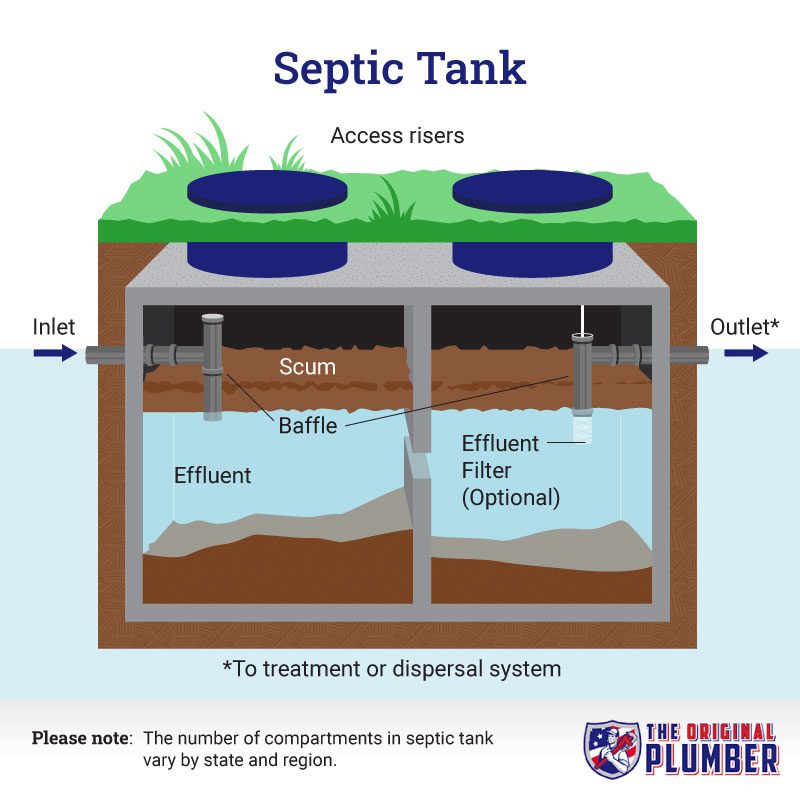
Imagine your home, a sanctuary of comfort and convenience, running like a well-oiled machine. Water flows, toilets flush, and everything just… works. But lurking beneath the surface, often out of sight and out of mind, is your trusty septic tank. This unsung hero tirelessly processes all the wastewater your family creates. It’s like the diligent backstage crew for your home’s plumbing opera. And just like any hardworking crew, it sometimes needs a break – or rather, an emptying!
So, how do you know when your septic tank is politely (or not-so-politely) signaling that it’s full to the brim and ready for a good pump-out? It won't send you a text message, nor will it put a little "Full House" sign in your yard. But it will send out some pretty unmistakable signals. Think of them as your home's subtle (and sometimes not-so-subtle) SOS calls. Let’s dive into these fantastic clues, shall we?
The "Slow-Mo" Signals: Your Drains Get Dramatic
This is often one of the first and most common signs that your septic tank is feeling a bit bloated. Your once-speedy drains start acting like they’re stuck in molasses.
Must Read
The Bathtub Swamp
Remember how quickly your bathtub would drain after a blissful soak? Now, it seems to take an eternity, leaving behind a charming ring of soap scum and a lingering puddle. You step out, and the water level seems to barely budge. This isn't just a sign that your tub is being a diva; it could be the first whisper from your septic tank saying, "Hey, I'm getting full down here!"
The Toilet's Sad Gurgle
Your toilet, usually a swift and efficient performer, might start to struggle. Instead of a strong, decisive flush, you might notice a weaker current, or worse, a hesitant, gurgling sound as if it's trying to clear its throat. Sometimes, flushing one toilet might even cause water to back up into another, or into your shower. It’s the plumbing equivalent of a grumpy sigh, indicating that the wastewater has nowhere new to go.
The "Odorous" Alarms: When Your Nose Knows
This one is perhaps the most convincing (and least pleasant) indicator. If your septic tank is overflowing, you'll likely smell it. And trust us, it's not the scent of freshly baked cookies.
The Mysterious Backyard Funk
Take a stroll outside, especially near your septic tank or drain field. If you catch a whiff of a strong, unmistakable foul odor, like rotten eggs or something far, far worse, your nose isn't playing tricks on you. This smell is often caused by gases escaping from an overfilled tank or drain field that can’t properly absorb liquid waste. It’s your septic system literally stinking up the place to get your attention!
"When your backyard starts smelling like a forgotten science experiment, it's time to pay attention to your septic system."
Indoor Air Pollution
Sometimes, the unpleasant aroma isn't just confined to the great outdoors. If you start noticing sewage odors inside your home, particularly around drains or in the basement, it's a huge red flag. This happens when the pressure in your system builds up, pushing those stinky gases back up through your pipes. It's a clear sign that your septic tank is not just full, but possibly struggling.

The "Wet Wonders" (Not So Wonderful): Mysterious Puddles
An overfilled septic tank can cause liquid waste to surface. This is where things get a little squishy.
Puddles of Mystery
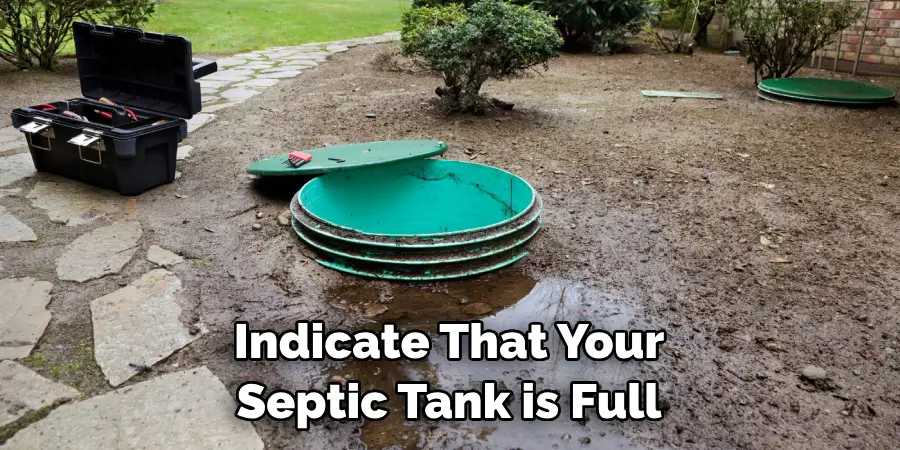
Walk around your yard, especially over the area where your septic tank and drain field are located. Are there any unexplained pools of standing water? This isn't just leftover dew; it could be wastewater that has nowhere else to go but up and out of your saturated drain field. It's often muddy, stagnant, and definitely not the kind of puddle you want your kids (or pets!) playing near.

Squishy Steps
Even if you don't see obvious puddles, if the ground over your drain field feels squishy or spongy when you walk on it, like a soggy sponge, that’s another strong indicator. It means the soil is saturated with liquid, likely from an overloaded or failing drain field. Your lawn should not feel like a waterbed!
The "Lush Life" (Too Lush!): Suspiciously Green Grass
This one might seem counterintuitive, but it's a classic sign.
The Emerald Patch
Do you have a patch of grass in your yard, usually directly over your septic drain field, that's incredibly lush, vibrant green, and grows much faster than the rest of your lawn? While beautiful, this isn't necessarily a sign of a green thumb. It's often a sign that the grass is getting extra "nutrients" (ahem, wastewater) from an overflowing or leaking septic system. It's like nature's suspicious fertilizer!
The "Backup Ballet": The Grand Finale
This is the moment no homeowner wants to experience, the plumbing equivalent of a mic drop.
The Ultimate Plumbing Tantrum
If water starts backing up into your sinks, tubs, or toilets – and we're not talking about just a clog, but actual sewage backing up – then your septic tank is definitely, unequivocally, yelling at the top of its lungs that it is FULL. This is the absolute undeniable sign, the plumbing tantrum that tells you it's well past time to call in the professionals.
So there you have it! Your septic system, while silent most of the time, has a whole repertoire of signals to let you know when it’s reaching capacity. Paying attention to these clues can save you from a huge headache (and potentially a costly mess!). Don't wait for the grand finale; if you notice any of these signs, even the subtle ones, it’s always best to call a qualified septic professional. They can inspect your system, confirm if it's full, and pump it out, bringing peace and smooth flow back to your wonderful home. Happy plumbing!