How Can You Check For Carbon Monoxide

Ever feel like you're a superhero in disguise, ready to protect your home and loved ones from unseen dangers? Well, get ready to don your cape, because today we're tackling one of the sneakiest villains out there: carbon monoxide (CO). It’s a gas you can’t see, smell, or taste, earning it the chilling nickname, the "silent killer." But don’t worry, checking for CO doesn't require x-ray vision or super strength – it’s actually incredibly easy and gives you a massive superpower: peace of mind. Knowing how to detect this invisible threat is not just useful, it's vital, turning you into a true guardian of your home's safety!
So, what’s the main purpose of checking for CO? Simple: to detect it before it becomes dangerous. Carbon monoxide is produced when fuels (like gas, oil, wood, or coal) don't burn completely. Think furnaces, gas stoves, water heaters, or even car exhaust. When CO builds up in your home, it can cause flu-like symptoms, serious illness, and even death. The benefit? Keeping your family healthy, safe, and breathing easy. It’s an investment in well-being that pays off every single day.
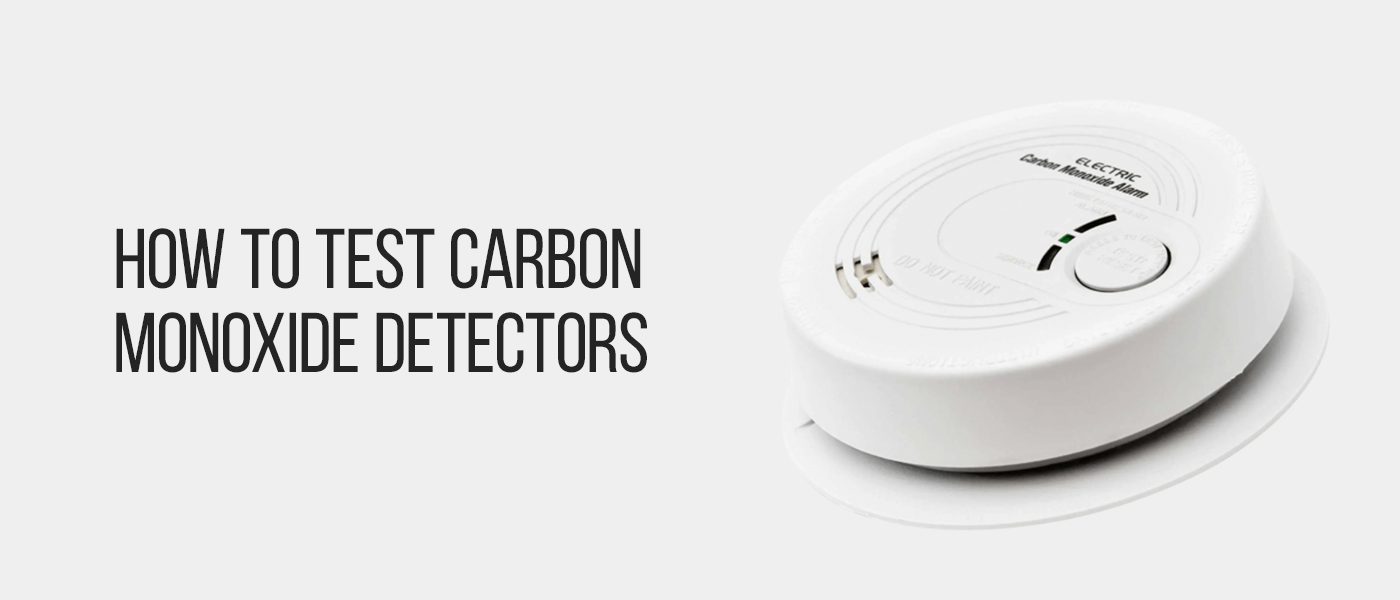
The absolute reigning champion in your CO detection arsenal is the carbon monoxide detector. These clever devices are like tiny, tireless sentinels, constantly sniffing the air for CO. They come in various forms: plug-in models, battery-powered units, and even combo smoke and CO detectors. The best part? When they detect CO, they emit a loud, unmistakable alarm, giving you precious time to get to safety and call for help. It’s your early warning system, and it’s non-negotiable for every home.
Must Read
Where should these lifesavers stand guard? The general rule is to install CO detectors on every level of your home, especially near sleeping areas. Why near bedrooms? Because CO poisoning can happen quickly while you're asleep, rendering you unable to wake up. Make sure they're not placed right next to fuel-burning appliances or vents, as that could lead to nuisance alarms. And remember, unlike smoke detectors which are usually on the ceiling, CO is slightly lighter than air when hot, but mixes readily, so detectors are best placed at chest height or on the wall near the floor according to manufacturer instructions.

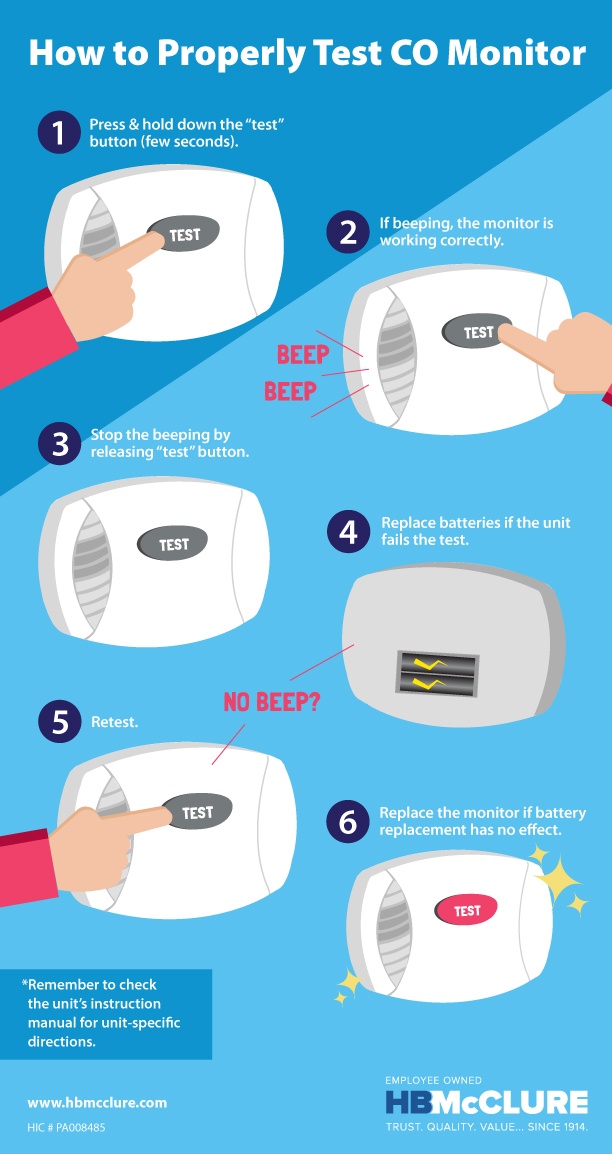
Once installed, don't just forget about them! Maintaining your CO detectors is crucial. Most units have a test button – use it monthly to ensure the alarm is working. Replace batteries at least once a year (a good habit is to do it when you change your clocks for daylight saving). And here's a big one: CO detectors don't last forever. They typically have a lifespan of 5-7 years, so check the "replace by" date on the back of your unit and swap it out when due. A worn-out detector is no protector!
Beyond your trusty detectors, other checks bolster your safety. Schedule annual professional inspections for your furnace, water heater, and chimney to ensure they’re venting properly. Also, be aware of the symptoms of CO poisoning: headache, dizziness, nausea, weakness, confusion, and chest pain. If you or anyone in your home experiences these and you suspect CO, get fresh air immediately and call emergency services. Your awareness, combined with working detectors, makes you an ultimate CO-fighting champion. Stay safe, stay smart, and enjoy that amazing peace of mind!