How Big A Generator To Run Refrigerator

In a world bustling with smart gadgets and endless digital diversions, there’s a quiet, often overlooked pursuit gaining traction: the art of understanding personal power needs. We’re not talking about mindfulness here, but the tangible, incredibly satisfying knowledge encapsulated in a surprisingly popular question: "How big a generator to run a refrigerator?" This isn't just a technical query for survivalists; it’s become a fascinating mental exercise, a practical puzzle, and a gateway to newfound self-reliance that offers a unique kind of creative satisfaction.
For the uninitiated, this seemingly mundane question unlocks a world of benefits. For hobbyists and DIY enthusiasts, mastering generator sizing is a foundational skill. Imagine powering your remote workshop, keeping essentials cold during a camping trip, or even setting up an impressive outdoor movie night without a grid connection. It’s about empowerment, transforming you from a passive consumer of electricity into an active manager of your resources. For casual learners, it demystifies the intimidating world of watts, amps, and volts, turning abstract numbers into tangible capabilities. And yes, even for artists, understanding energy flow can inspire themes of sustainability, resilience, and the delicate balance of modern life. It’s a creative challenge to optimize, plan, and execute, bringing a tangible outcome to abstract ideas.
The variations on this theme are endless. You might explore the "Emergency Preparedness" style, meticulously calculating needs for a power outage, ensuring your food stays fresh and medicines remain viable. Or perhaps the "Off-Grid Adventurer" approach, where you're designing a minimalist power system for a tiny home or RV, making every watt count. There’s the "Sustainable Living Champion", who focuses on efficiency, aiming for the smallest possible generator by reducing their fridge's run time or upgrading to an energy-star model. Each scenario demands a different approach, a unique blend of research and practical application, turning a simple appliance into a canvas for problem-solving.
Must Read
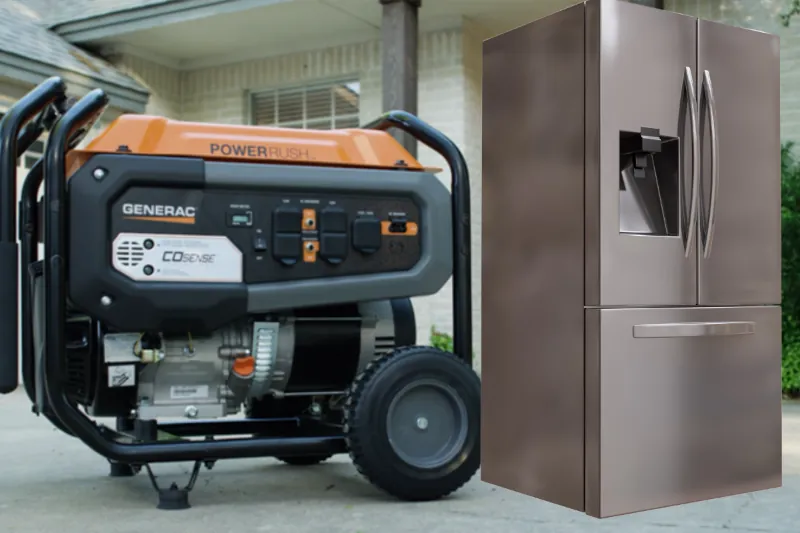
Ready to try this empowering skill at home? It's easier than you think! First, resist the urge to buy a generator. Instead, become a "Wattage Detective." Find the sticker on the back or inside your refrigerator – it usually lists the running watts. Remember, fridges have a higher starting (surge) wattage when the compressor kicks on, often 2-3 times their running watts. This is the crucial number for your generator. Next, consider what else you might want to power simultaneously – a lamp, a phone charger, a coffee maker? Add those running watts to your fridge's surge wattage to determine your total required output. Research different generator types: inverter generators are quieter and produce cleaner power, ideal for sensitive electronics. Always prioritize safety: never run a generator indoors, and have a carbon monoxide detector.
The pure joy in this pursuit lies in the tangible results and the profound sense of self-sufficiency. There’s an undeniable satisfaction in knowing you’ve unlocked a practical skill that directly impacts your comfort and security. It’s not just about keeping your ice cream frozen during a blackout; it's about the confidence that comes from understanding, planning, and executing. It's a reminder that with a little research and ingenuity, you can navigate the complexities of the modern world, one powered appliance at a time. It’s a truly empowering hobby, offering peace of mind and a good dose of practical fun.