
How Accurate Is Myriad Gender Testing
So, you’re curious about gender testing, huh? Maybe you're expecting, maybe you're just a science buff – whatever the reason, you've stumbled upon a fascinating corner of modern medicine. And the big question on everyone’s mind is: How accurate are these tests, really?
Think of it like this: predicting the gender of a baby used to be relegated to old wives' tales. Remember those? "Carrying high means it's a girl!" Or, "Craving sweets? Definitely a girl!" While charming (and sometimes hilarious), these methods were about as reliable as predicting the weather by looking at a squirrel's tail.
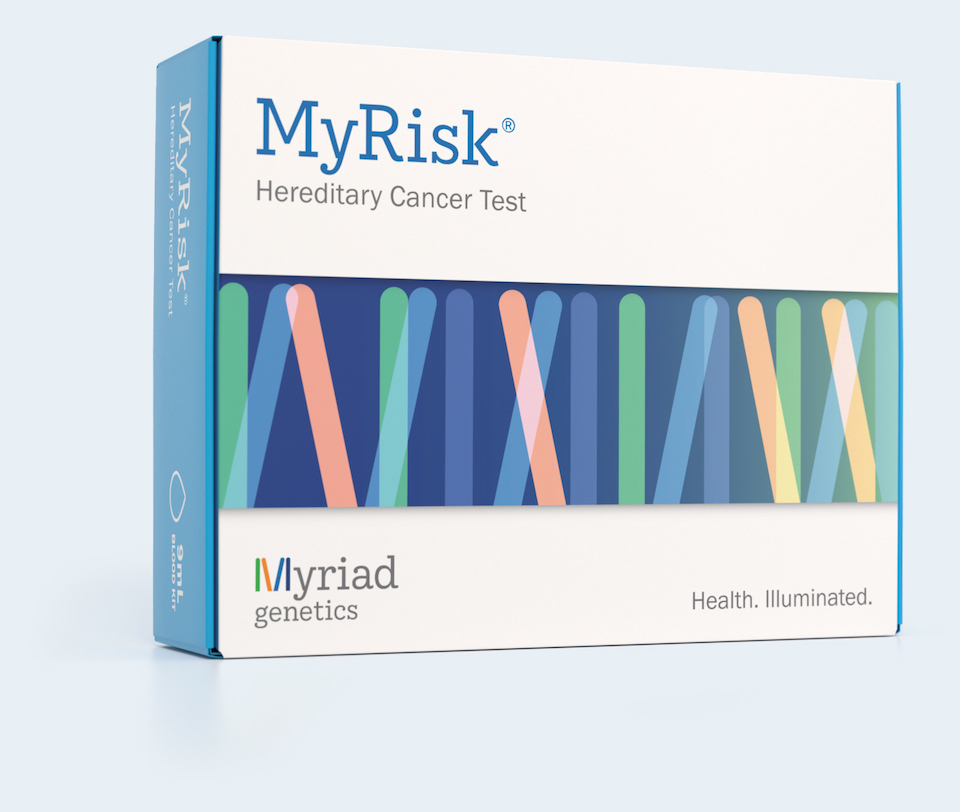
Thankfully, we've moved way beyond squirrel-tail meteorology! These days, we have Myriad gender testing, using the power of science to peek at the genetic blueprint of a developing baby. It's like having a super-powered microscope that can read the secret code of life. Sounds impressive, right?
Must Read
The Science Behind the Sneak Peek
Most gender tests work by analyzing a sample of the mother's blood. It’s mind-blowing, but a tiny bit of the baby's DNA actually floats around in the mother's bloodstream. Scientists are able to isolate this fetal DNA and look for the presence of the Y chromosome. If they find it, bingo! It's (probably) a boy. If they don't, it's (likely) a girl.
I say “probably” and “likely” because, let's be honest, nothing in life is 100% certain, except maybe death and taxes. But these tests get pretty darn close!

Early gender tests, like the ones done during amniocentesis or chorionic villus sampling (CVS), which are more invasive and typically done for other genetic screening reasons, have a very high accuracy rate. These involve taking a sample directly from around the baby. But for those who just want to know the gender, these methods have a risk of miscarriage, though very low.
Non-invasive prenatal testing (NIPT), like Myriad, is the newer, less invasive method. They typically boast accuracy rates in the high 90s – we're talking 99% and up in many cases, especially after a certain point in the pregnancy (usually around 10 weeks). That’s a pretty good record, wouldn’t you agree?
When Things Get… Interesting
Now, while these tests are incredibly accurate, there are a few scenarios where things can get a little… complicated.
Imagine this: a woman is pregnant with twins, and one is a boy and one is a girl. The test picks up the Y chromosome from the boy, so it reports "male." But what about the girl? This highlights the limitation of the test to differentiate between fetuses in multiple pregnancies. It only reports presence of a Y chromosome!
Or, in incredibly rare cases, there can be chromosomal abnormalities that affect gender development. These situations are complex and require further investigation, but they emphasize that these tests are looking for the typical indicators of male and female, and sometimes, biology throws us a curveball.

It's All About the Big Picture
Ultimately, Myriad gender testing and other similar NIPT methods are a remarkable achievement of modern science. They offer a safe and highly accurate way to determine a baby's gender early in pregnancy.
But it's important to remember that these tests are just one piece of the puzzle. Knowing the gender is exciting, but it's even more important to focus on the overall health and well-being of both the mother and the baby. Whether it's pink, blue, or a rainbow of possibilities, the greatest joy comes from the arrival of a healthy and happy child.
So, while you're eagerly awaiting the results, remember to take it all in stride. Because at the end of the day, the best kind of gender reveal party is one filled with love, laughter, and the anticipation of a beautiful new life. And who knows, maybe you'll even start a new old wives' tale about predicting baby genders... just for fun!
