Hottest Temperature Recorded In The Us
Have you ever stepped outside on a scorching summer day and thought, "Wow, this must be the hottest place on Earth!"? Well, you're not alone. Our fascination with extreme weather, especially the blistering heat, is something we all share. It's a great conversation starter at a barbecue, a fun fact to impress your friends, and a way to truly appreciate the power of nature. Learning about the hottest temperature ever recorded in the U.S. isn't just about a number; it's a peek into the incredible extremes our planet can dish out and how we relate to them. It sparks curiosity about geography, climate, and the sheer resilience of life, even in the most unforgiving environments.
This topic offers something for everyone. For beginners, it's a fantastic entry point into understanding weather and climate. You learn a simple, mind-blowing fact that sticks with you and might even inspire you to look up other weather records. Families can turn it into an educational discussion during a road trip, talking about different climates, the importance of staying hydrated, and even looking at maps to locate famous hot spots. It can also lead to broader conversations about adapting to varying conditions or why certain places are so much hotter than others. For the more dedicated hobbyists, like aspiring meteorologists or travel enthusiasts, this record is a cornerstone. It can prompt deeper dives into microclimates, the history of weather recording instruments, or even inspire a future (and carefully planned!) trip to experience extreme environments firsthand, perhaps to Death Valley itself.
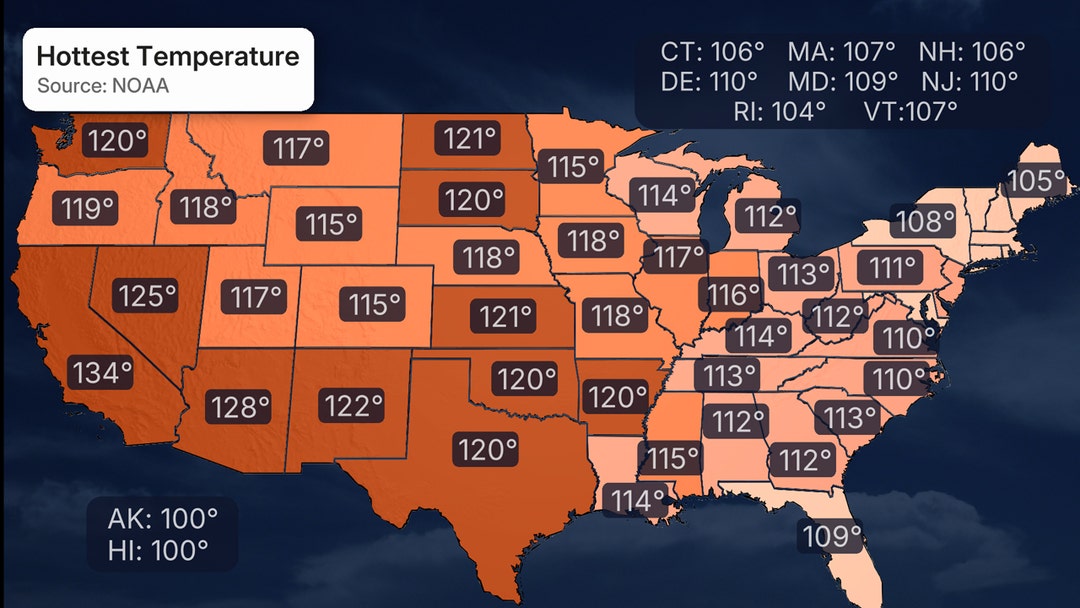
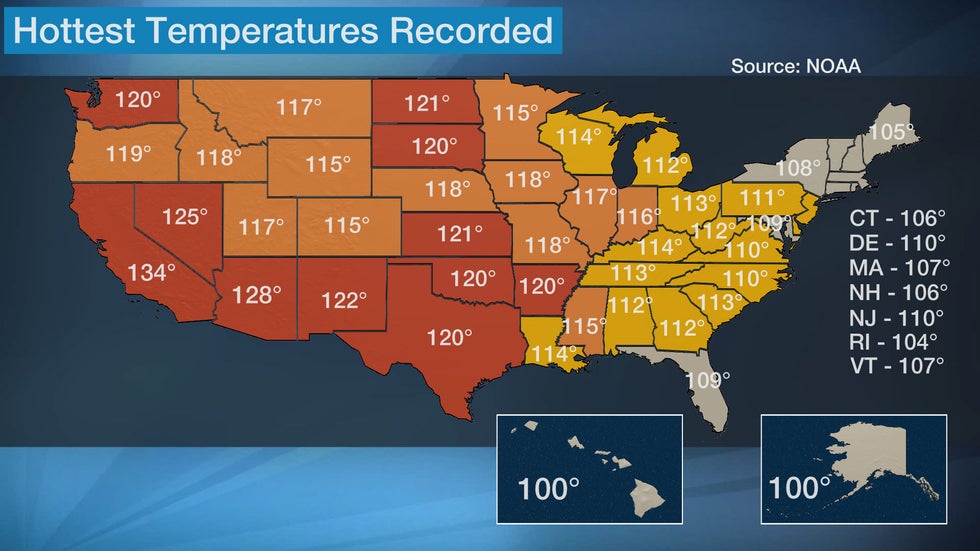
So, what's the magic number? The hottest temperature ever reliably recorded on Earth, and right here in the U.S., was a staggering 134 degrees Fahrenheit (56.7 degrees Celsius). This incredible feat of heat occurred on July 10, 1913, at Greenland Ranch in Death Valley, California. Imagine that! That's hot enough to make you feel like you're stepping into a preheated oven. To put it in perspective, other incredibly hot places in the U.S. like Phoenix, Arizona, or parts of Texas might hit 115-120°F on their worst days, but Death Valley takes the cake. It's a place where the sun beats down relentlessly, and the landscape itself seems to shimmer with heat. The unique geology of Death Valley, a deep basin below sea level surrounded by mountains, traps the heat and superheats the air, creating a truly otherworldly environment.
Must Read
Ready to explore this sizzling topic further? You don't need a degree in meteorology to get started! A simple, practical tip is to look up Death Valley on a map and explore its features virtually. Watch a documentary about its geology and unique ecosystem—you'll be amazed by the life that thrives there. Another great way to engage is to simply discuss extreme weather with friends and family: "What's the hottest you've ever felt?" or "Why do you think Death Valley gets so hot?" You could also learn about heat safety tips, which are valuable no matter where you live, especially during summer months. Even visiting a local science museum might have exhibits on weather patterns or climate, bringing this extreme record to life.
Ultimately, learning about the hottest temperature in the U.S. is more than just memorizing a statistic. It’s about appreciating the incredible diversity and power of our natural world. It encourages us to look at the weather not just as a daily forecast, but as a fascinating force that shapes our planet and our lives. There's a certain enjoyment in understanding these extremes, a thrill in knowing just how wild and wonderful our world can be.