Hottest Temp Ever Recorded In The Us
Okay, picture this: It's the absolute peak of summer. You're trying to enjoy a backyard BBQ, but the sun is just relentless. Your ice cream melts faster than you can lick it, the dog is panting like he just ran a marathon, and even your "cold" drink feels lukewarm after about thirty seconds. You duck inside, crank the AC, and maybe, just maybe, you complain about how this is the "hottest summer ever."
Sound familiar? We've all been there, right? That feeling of oppressive heat where simply existing takes effort. But I'm here to tell you, my friend, that your "hottest summer ever" probably doesn't even come close to the real deal. Because the US holds a record for heat that is so mind-boggling, it makes your melting ice cream seem like a walk in a spring meadow.
The Scorching Truth: 134 Degrees Fahrenheit
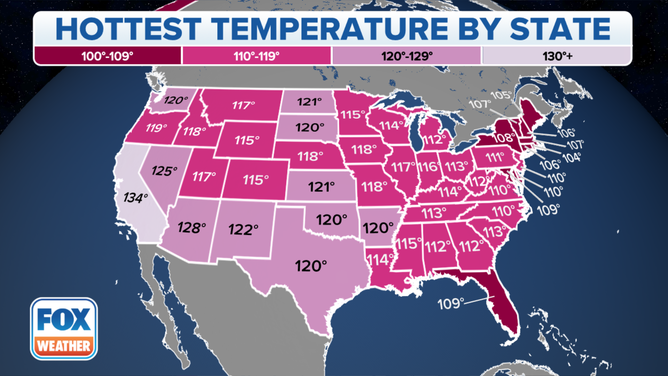
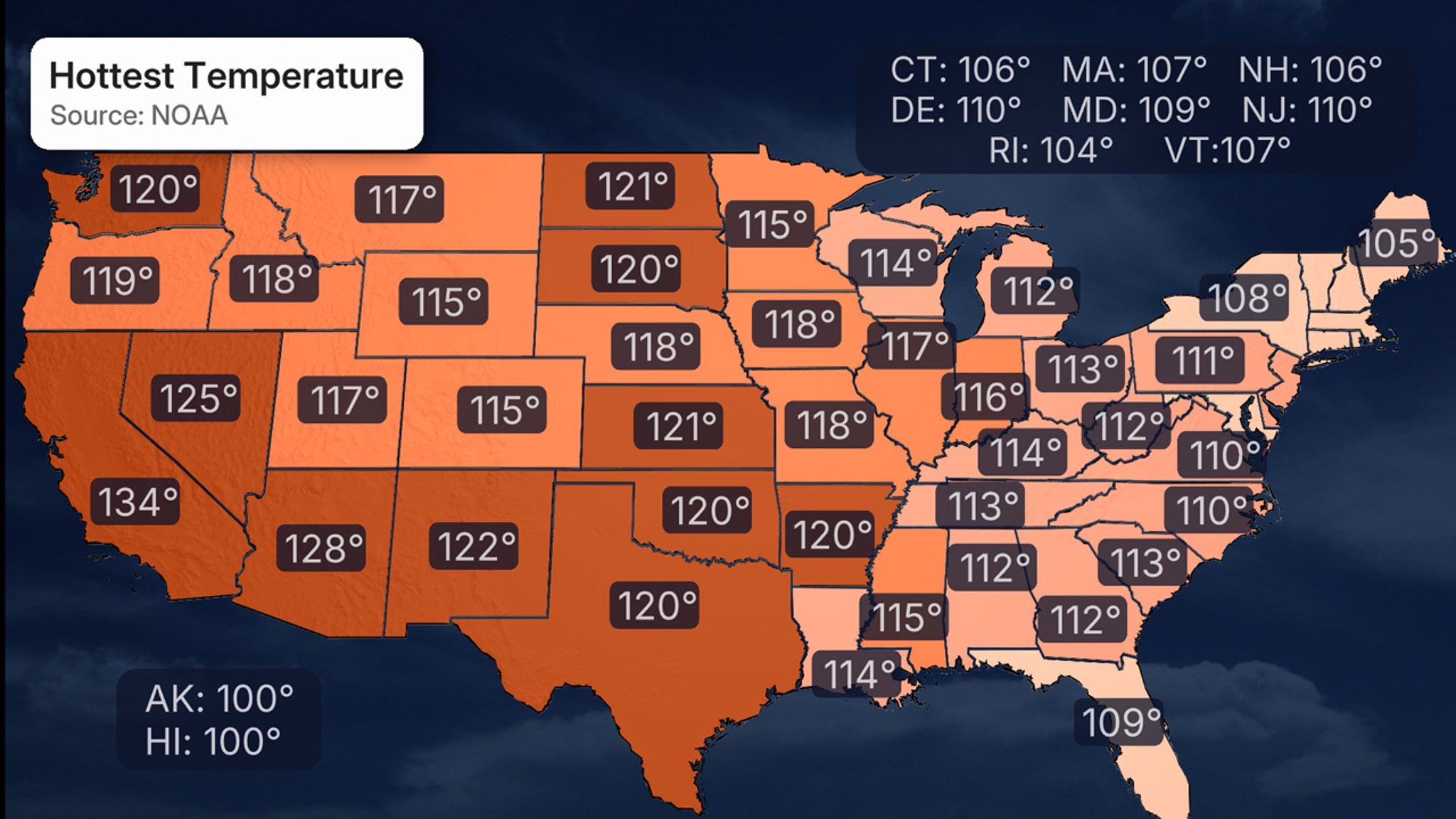
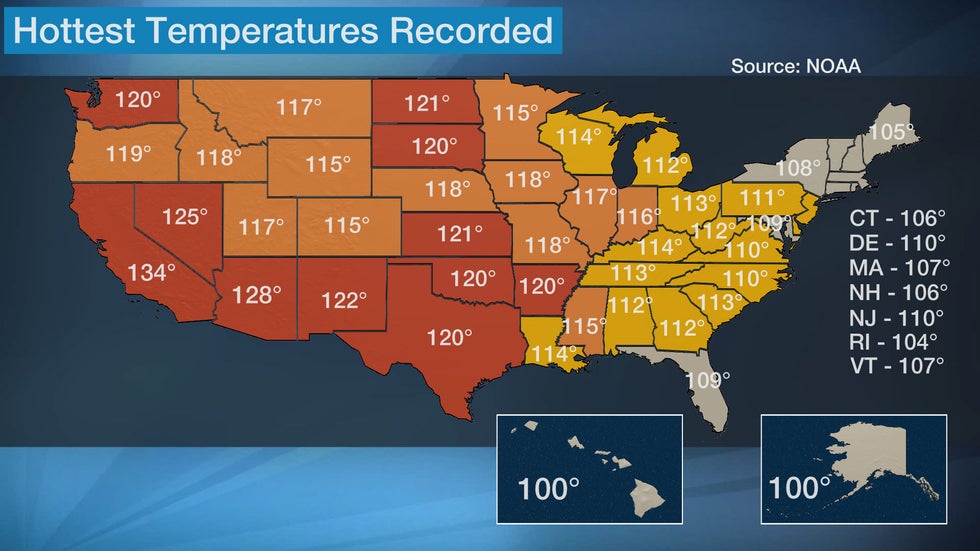
Let's get straight to it. The hottest air temperature ever recorded in the United States, and indeed, one of the highest ever reliably measured on Earth, was a staggering 134 degrees Fahrenheit. Take a moment. Let that sink in. That's 56.7 degrees Celsius for our metric-minded friends out there. Can you even imagine?
Must Read
This infernal milestone wasn't hit yesterday, and it wasn't in some random backyard. It happened on July 10, 1913, in a place famously (or infamously) known for its extreme conditions: Furnace Creek, Death Valley, California. I mean, the name "Death Valley" should already be a pretty big clue, shouldn't it? It's not exactly called "Pleasant Meadows" for a reason!
To put 134°F into perspective, that's hotter than the average human body temperature. So, effectively, the air around you would literally be trying to cook you from the outside in. Forget about walking barefoot on asphalt; your shoes might just melt to the asphalt. Seriously, folks, we're talking about a level of heat where just breathing could feel like inhaling from an open oven.

Seriously, How Does That Even Happen?
You might be wondering, how does a place get that hot? Death Valley is a geological marvel (and a meteorological nightmare). It's a long, narrow basin, 282 feet (86 meters) below sea level, making it the lowest point in North America. This creates a sort of natural "heat trap."
Think about it: the air warms as it descends into the valley, gets compressed, and then gets trapped. The surrounding mountains block any moisture from coming in, so it's incredibly dry. And because there's no moisture, there are usually no clouds to provide shade, meaning the sun beats down relentlessly. It's like the universe designed a perfect convection oven, and Death Valley is its prime baking dish.

The scientists who record these things, the folks at the World Meteorological Organization (WMO), have gone back and checked this record countless times. While there have been other claims of hotter temperatures around the world, many have been debunked or deemed unreliable. Death Valley's 134°F stands firm as a truly mind-blowing measurement.
A Century Later... And Beyond
It's fascinating to think about this record, set over a century ago. While we haven't officially topped 134°F since then, Death Valley continues to be one of the hottest places on Earth, regularly hitting triple-digit temperatures and often breaching 120°F (49°C) during summer months. In fact, many records have been set in recent years for the duration of extreme heat there.
This record serves as a stark reminder of the planet's incredible extremes. It makes you appreciate your own AC, your cool drink, and that little bit of shade you find on a hot day. But it also makes you wonder, doesn't it? As global temperatures continue to rise, will we see this record challenged more frequently? Will our "hottest summer ever" eventually start to look a little less dramatic compared to the new normal?
So, the next time you're sweating through a summer afternoon, spare a thought for those folks in Death Valley. And maybe, just maybe, be a little grateful you're not trying to cook an egg on a sidewalk in 134-degree heat. Because trust me, you'd probably end up cooking yourself instead!