Hottest Recorded Temperature In America
There's something universally captivating about the weather, isn't there? We plan our weekends around it, complain about it, celebrate it, and sometimes, we even crave it. That first burst of summer warmth after a long winter can feel like a personal hug from the sun. We flock to beaches, fire up the grills, and generally embrace the sheer joy of sun-drenched days. But what happens when that warmth cranks up to an almost unimaginable extreme? When the thermometer climbs past "balmy" and dances into "record-breaking, mind-bendingly hot" territory?
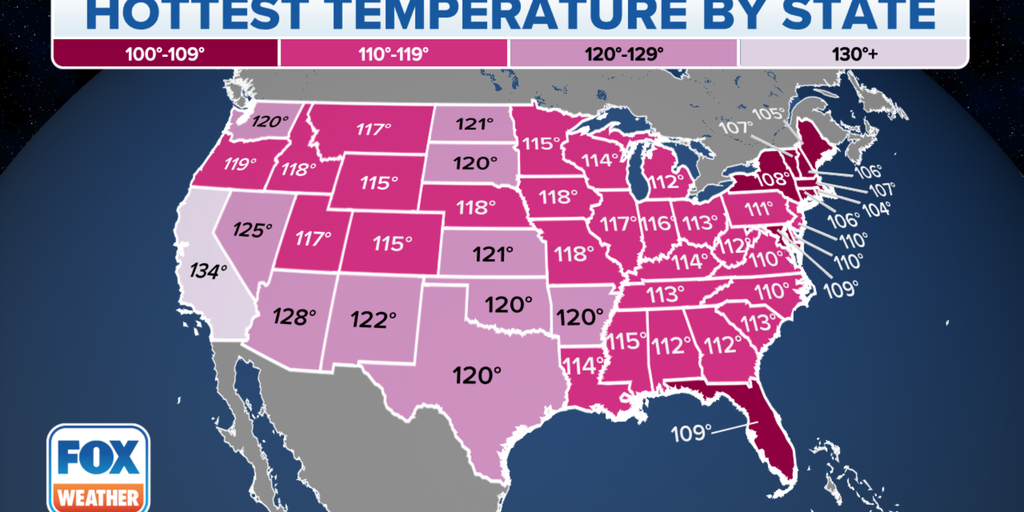
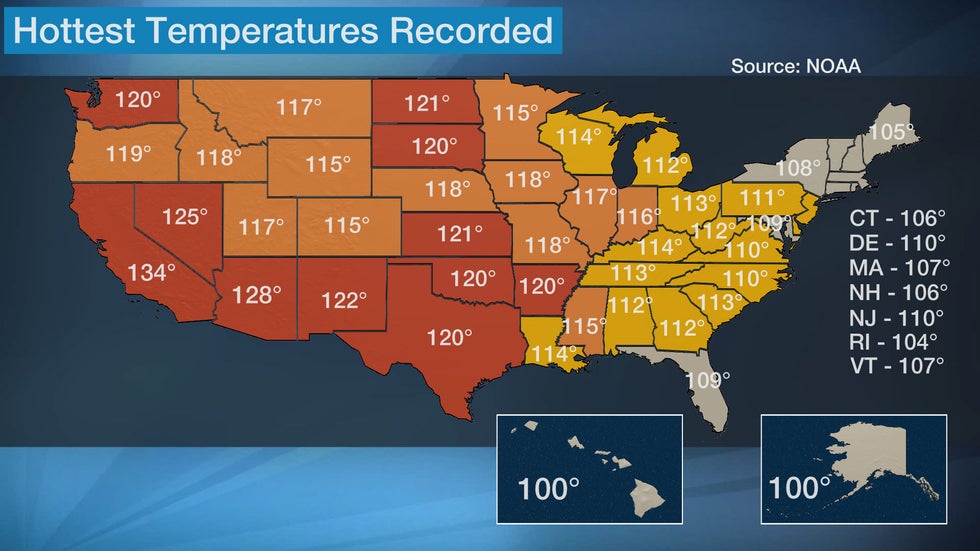
That's where America's hottest recorded temperature comes into play – a scorching testament to Mother Nature's incredible range. On July 10, 1913, in the aptly named Furnace Creek, Death Valley, California, the mercury soared to an astonishing 134 degrees Fahrenheit (56.7 degrees Celsius). Imagine that: a temperature so intense it feels less like weather and more like an oven door opening directly into your face. While few of us will ever experience such an extreme firsthand, understanding these records isn't just a fun fact; it serves several crucial purposes in our everyday lives.
Firstly, these records are vital for scientific understanding. They help meteorologists and climatologists track long-term climate trends, predict future weather patterns, and understand the mechanisms behind extreme events. This knowledge informs everything from agricultural planning to urban design, helping us build infrastructure that can withstand the elements. For instance, knowing where and when extreme heat is likely to occur helps city planners design more heat-resilient communities, with more green spaces and better public cooling centers. It also influences how we manage water resources, especially in drought-prone regions.
Must Read
Common examples of how extreme heat impacts us are numerous. Think of cities experiencing rolling blackouts because everyone’s air conditioning is running full tilt, straining power grids. Or asphalt roads literally softening and buckling under the relentless sun. For individuals, it means a heightened risk of heatstroke and dehydration, making simple outdoor tasks dangerous. This understanding directly translates into practical applications like public health warnings during heatwaves, encouraging people to stay hydrated and seek shade.

So, how can you "enjoy" (or perhaps, more accurately, cope with and appreciate the absence of) extreme heat more effectively? Here are some practical tips:
- Stay Hydrated: This is paramount. Drink water constantly, even if you don't feel thirsty.
- Seek Shade and AC: During peak heat, stay indoors in air-conditioned spaces. If you're outside, find shade whenever possible.
- Dress Lightly: Loose-fitting, light-colored clothing can make a huge difference.
- Adjust Your Schedule: If you must be active outdoors, do it in the early morning or late evening when temperatures are lower.
- Check on Others: Especially the elderly, very young, or those with pre-existing health conditions, who are more vulnerable to heat.
While 134°F might sound like a far-off, almost mythical number, it's a powerful reminder of nature's forces. By understanding these extremes, we not only gain valuable scientific insight but also learn to respect the weather, appreciate cooler days, and, most importantly, equip ourselves with the knowledge to stay safe and comfortable, no matter what the thermometer reads.