
Home Replacement Carbon Monoxide Alarms

Alright, settle in! We're about to chat about something super important, but we're going to make it ridiculously fun. Forget serious safety lectures, because today, we're diving into the quirky, fascinating world of your home's unsung hero: the Carbon Monoxide Alarm! And specifically, why these little lifesavers need a regular retirement party.
Meet the Silent Stalker (But Don't Panic!)
Let's talk CO. It's Carbon Monoxide. Sounds dull, right? Wrong! Imagine an invisible, odorless, tasteless ninja villain in your house. That's CO. It sneaks around, you can't see it, you can't smell it, and it can be pretty nasty. It's truly the master of disguise among household dangers.
Must Read
But here's the fun part: we have a superhero. A tiny, often forgotten, gadget that stands guard. Your CO alarm! It's basically your home's personal CO-detecting superpower.
The Secret Life of Your CO Alarm
Now, here's where it gets interesting, especially about replacement. Most people know they need a CO alarm. But did you know these gadgets have a secret shelf life? Yep, they're not forever friends! Unlike that ancient houseplant you keep forgetting to water, your CO alarm has a definitive expiration date.
Typically, a CO alarm lasts about 5 to 7 years. Some might stretch to 10, but that's rarer. Think of it like this: even your favorite spy movie hero needs new gadgets after a few missions, right? Their old ones just aren't as sharp!
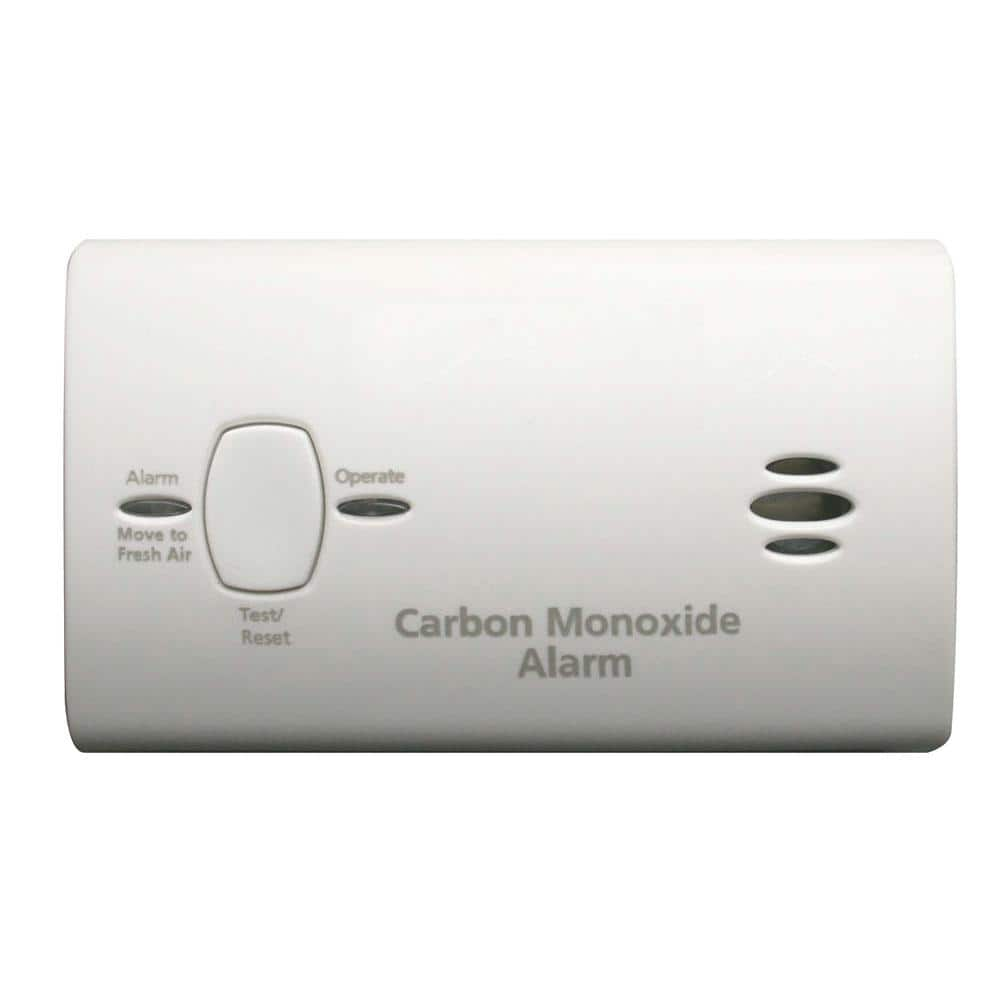
Why the Early Retirement? It's All About the Sensor!
So, why can't these little warriors last forever? It's all thanks to their sensitive little hearts: the electrochemical sensor. This isn't just a fancy name; it's the part that actually "sniffs" out CO. It works by having a chemical reaction when CO is present.
Over time, these chemicals... well, they get tired! They degrade. It's like asking an old dog to keep up its puppy-level energy. Eventually, its super-sniffing skills just aren't what they used to be. The sensor loses its sensitivity, meaning it might miss CO, or worse, give you a false sense of security.
This is the crux of replacement! That 'test' button? It only tells you the alarm's speaker works and the battery is good. It doesn't test the actual sensor's ability to detect CO. It's like checking if your car horn works but never checking the engine!

Your Alarm's Birthday (and How to Celebrate!)
Here’s a quirky fact: your CO alarm has a manufacturing date stamped on it, often on the back. That date is its "birth certificate." From there, count forward 5-7 years, and boom! You've got its replacement birthday. This isn't a chore; it's a celebration! Time for an upgrade!
Imagine throwing a mini-party. "Happy Retirement, Old Alarm! Thanks for your service!" Then, introduce the "new recruit." It makes the task less mundane and a lot more memorable.
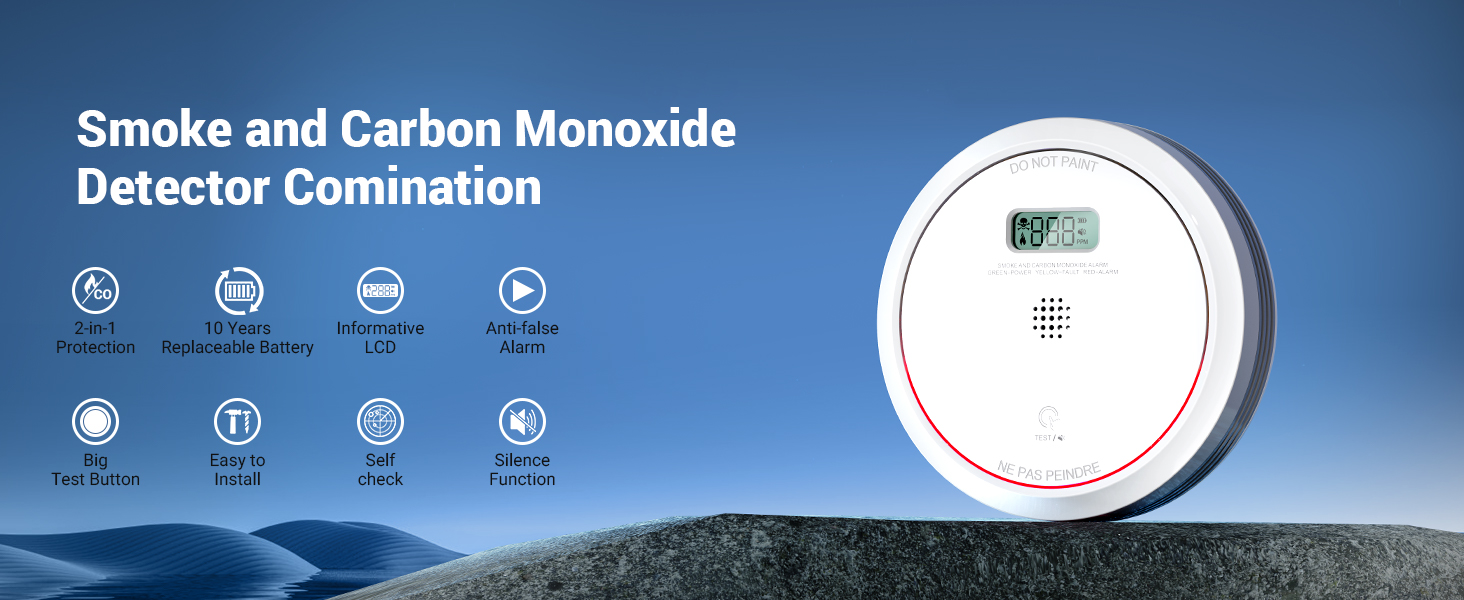
Smoke Alarms vs. CO Alarms: Not the Same Beast!
Often, people confuse CO alarms with smoke alarms. They're both household guardians, but they're distinct. Smoke alarms typically have a longer lifespan, often 10 years. They detect different things with different tech. So, don't assume if your smoke alarm is good, your CO alarm is too! They're like different members of a superhero team, each with their own specific powers and retirement plans.
Some devices combine both, which is super convenient! But even then, they'll usually tell you their combined lifespan, which is often still tied to the CO sensor's shorter span. Always check the label for the replace-by date.
The Great Home Treasure Hunt: Finding Your Alarms!
Feeling adventurous? Go on a treasure hunt in your own home! Find all your CO alarms. Are they plugged in? Battery-operated? Look for that manufacturing or replace-by date. It’s like finding a secret code on a dusty old map!

When you find one that's past its prime, don't fret. Replacing it is usually a cinch. Most are just two screws or a simple twist-and-lock mechanism. It's a quick, satisfying DIY project that gives you major "home hero" points.
And when you install the new one? Give it a little pat. Tell it, "Welcome to the family, new super-sniffer!"
Why Is This Even Fun to Talk About?!
Because it's about taking something potentially scary and making it simple, actionable, and yes, even a little quirky! It's about empowering yourself with knowledge and turning a mundane safety task into a mini-mission. It's about celebrating the unsung heroes of your home and ensuring they're always in tip-top shape.
So, next time you walk past your CO alarm, give it a knowing nod. Check its age. And if it's nearing its golden years, remember: it's time for a fresh start, a new guardian, and another 5-7 years of peace of mind. Stay safe, stay curious, and keep those invisible ninjas at bay with your ever-vigilant, periodically replaced, CO alarm squad!