Home Health Care Worker Safety Checklist
Imagine you're having a cup of coffee, maybe scrolling through your phone, and a thought pops into your head: what about the people who help us at home? Perhaps you have an elderly parent, a friend recovering from surgery, or you've simply seen home care professionals bustling about. We often focus on the person receiving care, and rightly so. But have you ever paused to consider the daily world of the home health care worker? It's a role filled with compassion, skill, and sometimes, unexpected challenges. That's where something surprisingly fascinating comes in: the Home Health Care Worker Safety Checklist. It might sound a bit dry, like something from an office manual, but trust me, understanding this simple tool opens up a whole new perspective on how care is delivered safely and effectively right in our living rooms. It’s less about rigid rules and more about ensuring that those who care for others can do so without putting themselves at risk, which, when you think about it, is pretty cool and incredibly important.
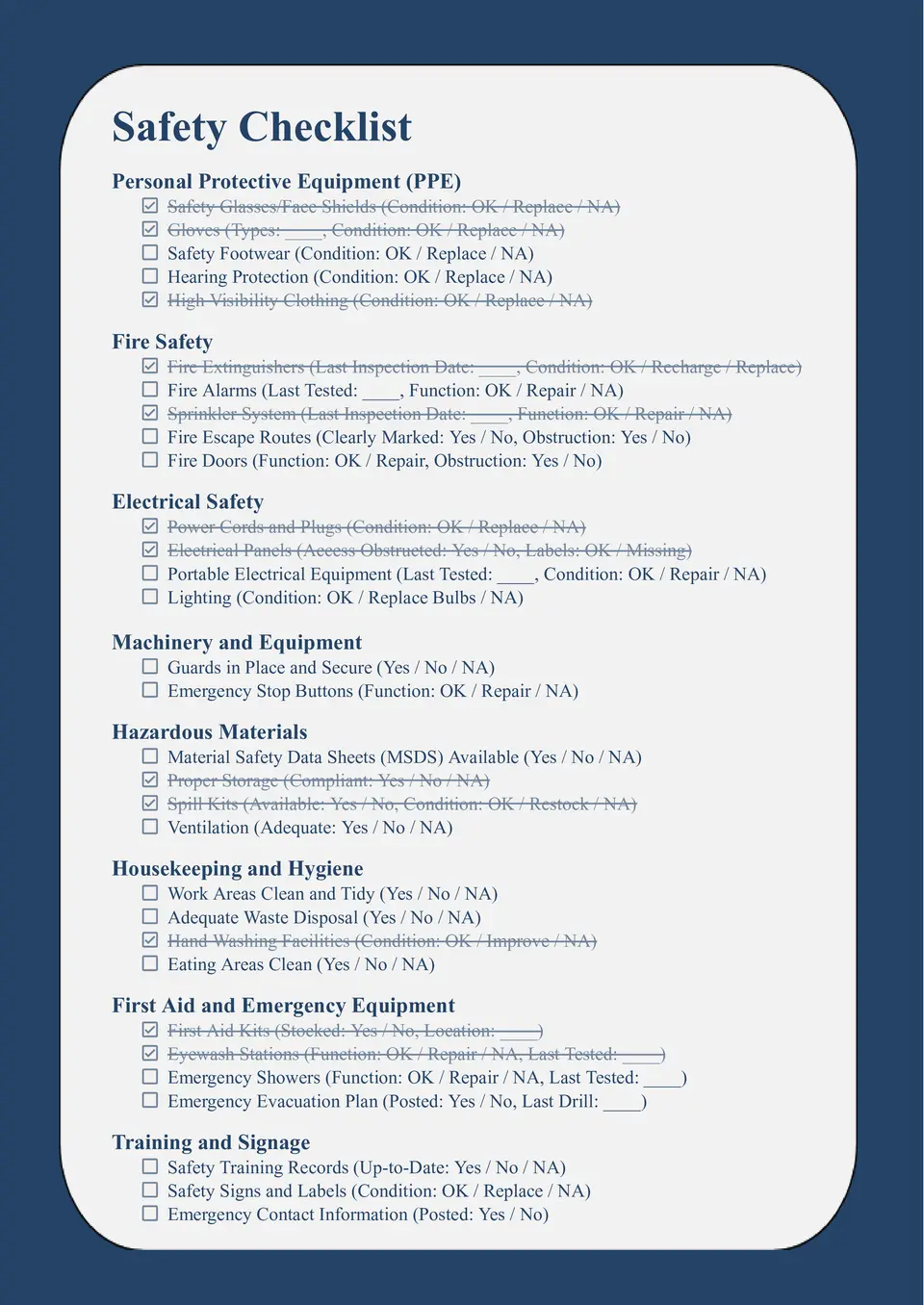
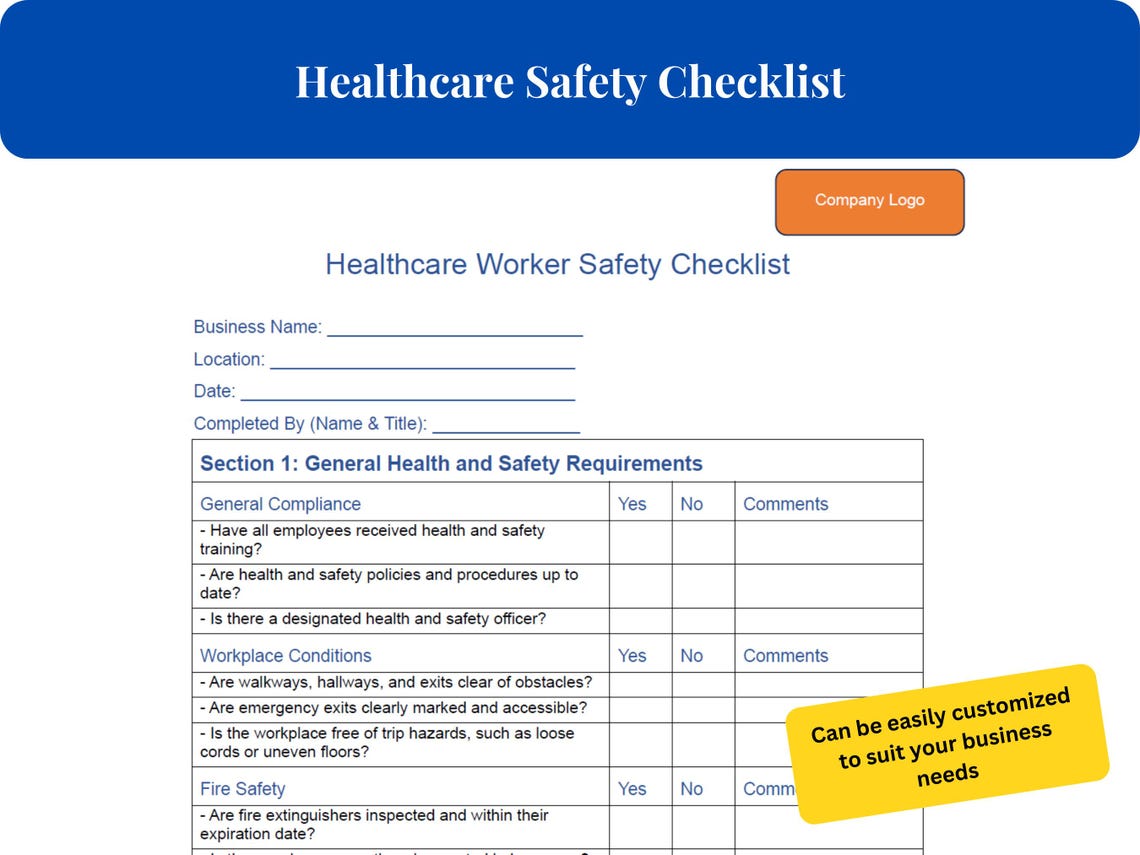
So, what exactly is this checklist, and why does it matter? At its heart, a Home Health Care Worker Safety Checklist is a proactive tool designed to identify and mitigate potential hazards within a client's home environment. Think of it as a friendly set of eyes, systematically scanning for anything that could cause a slip, a fall, a strain, or even an exposure to something harmful. Its primary purpose is to ensure the well-being of the caregiver, recognizing that a safe worker is an effective worker. The benefits are wide-ranging: for the worker, it means peace of mind, fewer injuries, and less burnout. For the client, it translates to more consistent, higher-quality care because their caregiver isn't constantly worried about their own safety. It helps agencies meet regulatory standards, yes, but more importantly, it fosters a culture of preventative safety, reducing costly accidents and ensuring that compassionate care can continue uninterrupted. It's truly a win-win for everyone involved in the care journey.
This isn't just a theoretical concept; these checklists are actively used in various real-world scenarios. In education, they're invaluable for training new home health aides or nursing students. Imagine a classroom where students use a mock checklist to "assess" a simulated home environment, learning to spot tripping hazards like loose rugs, or identify potential risks like inadequate lighting or improperly stored medications. It's a hands-on way to build critical thinking and safety awareness before they even step into a real client's home. In daily professional life, experienced home health workers might use one before starting care for a new client, or periodically review it if a client's condition or living situation changes significantly. It's not about being suspicious, but about being thorough and prepared. And while families aren't "workers" in the formal sense, they can informally adapt these principles to ensure their own safety, or the safety of other family caregivers, when looking after a loved one. It’s about building a mindful approach to care.
Must Read
Feeling a bit curious now? Great! There are simple ways you can explore the concepts behind these checklists without becoming a safety inspector. One easy step is to simply observe your own home, or that of a loved one, through a "safety lens." Are there rugs that could slip? Is the lighting sufficient in hallways? Are cleaning supplies stored securely? Just becoming more aware is a fantastic start. If you’re really keen, you could do a quick online search for "home health safety checklist" – many professional organizations or government health agencies publish examples that are publicly accessible. You'll likely see categories covering everything from environmental hazards to personal protective equipment. And if you know a home health professional, perhaps casually ask them about their experiences with safety in client homes. You might be surprised by the stories they share and the simple yet profound ways these checklists help them navigate their day. It’s all about understanding the unsung heroes and the smart tools that support their vital work.