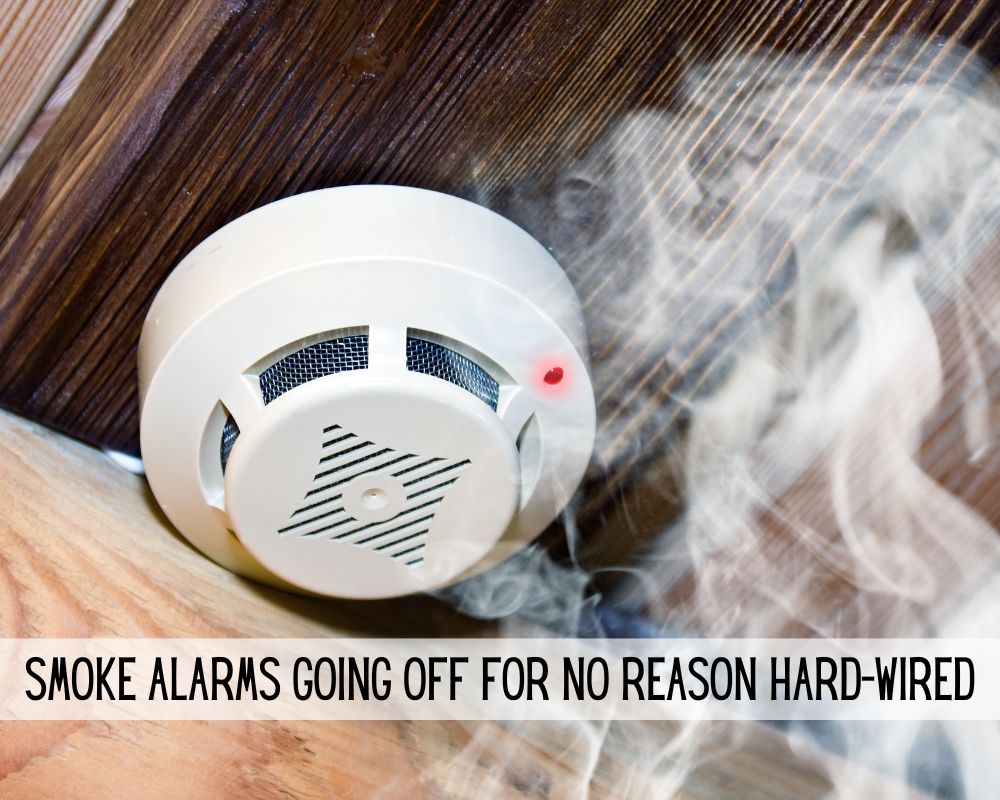
Hardwired Smoke Alarm Keeps Going Off
Ah, the melodious (or rather, ear-splitting) symphony of a smoke alarm going off! We've all been there, standing on a chair in the middle of the night, waving a dishtowel like a frantic conductor, trying to silence the infernal beeping. It’s a common, often amusing, and universally relatable household drama. But beyond the midnight adrenaline, understanding why your hardwired smoke alarm keeps sounding the alarm is actually incredibly useful and important for maintaining a safe and peaceful home.
Let's not forget the hero of our story: the smoke alarm itself. Its primary purpose is nothing less than to save lives. These vigilant guardians are designed to detect smoke and alert you to potential fires, giving you crucial time to escape. Hardwired alarms, connected directly to your home's electrical system, offer continuous power, making them incredibly reliable. However, even these robust devices can sometimes develop a dramatic flair, sounding off for reasons other than an actual blaze. And that's where the fun (and troubleshooting!) begins.
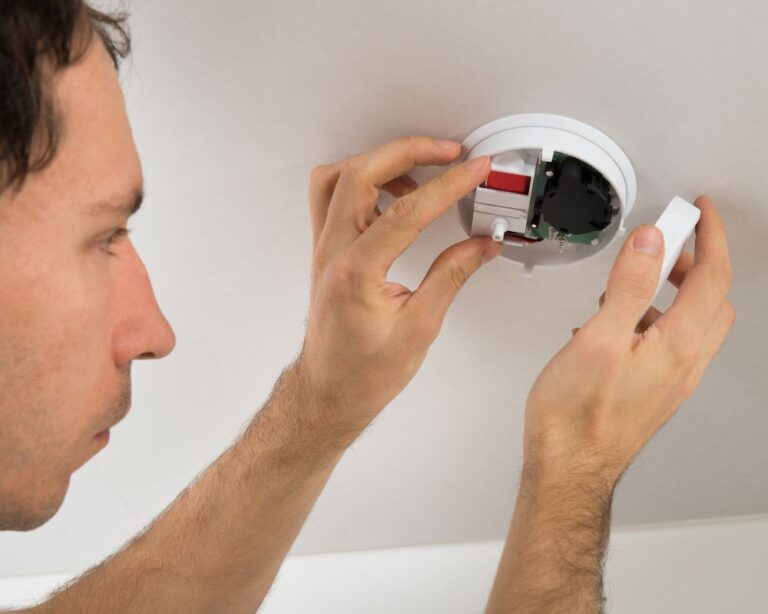
So, why might your hardwired hero be acting out? One of the most frequent culprits, believe it or not, is the backup battery. Yes, even hardwired alarms usually have a 9-volt or AA battery tucked inside, designed to keep them operational during a power outage. When this battery starts to die, it often emits an intermittent, annoying chirp or, in some cases, can trigger a full alarm. Always check this first! Another common reason is dust and debris. Over time, tiny particles can accumulate inside the alarm's sensing chamber, tricking it into thinking there's smoke. Imagine a little dust bunny triggering a full-scale emergency – quite dramatic for such a small thing!
Must Read
Environmental factors also play a big role. Ever had your alarm shriek after a hot shower? That's steam for you! High humidity or even cooking fumes from a particularly enthusiastic culinary adventure (especially burnt toast!) can set off sensitive smoke detectors. Positioning matters, too; an alarm too close to a bathroom or kitchen will be more prone to these false positives. Finally, smoke alarms, like all electronics, have a shelf life. Most manufacturers recommend replacing them every 10 years. An old, aging unit can become hypersensitive or simply malfunction, leading to those mysterious, unwarranted alarms.
What to do when the siren screams for no reason? First, identify the specific alarm. Hardwired systems often interconnect, so one faulty unit can set off the whole house. Look for a blinking light or a different chirp pattern on the actual alarm that's acting up. Then, gently clean the unit using a soft brush or vacuum attachment to remove any dust. If that doesn't work, try replacing the backup battery. Press the "test" button to confirm it's working afterwards. If the problem persists after these steps, especially for an older unit, it might be time to replace it. A little proactive maintenance ensures your smoke alarm is a silent sentinel, not a noisy nuisance, always ready to protect when it truly matters. Your safety is worth it!