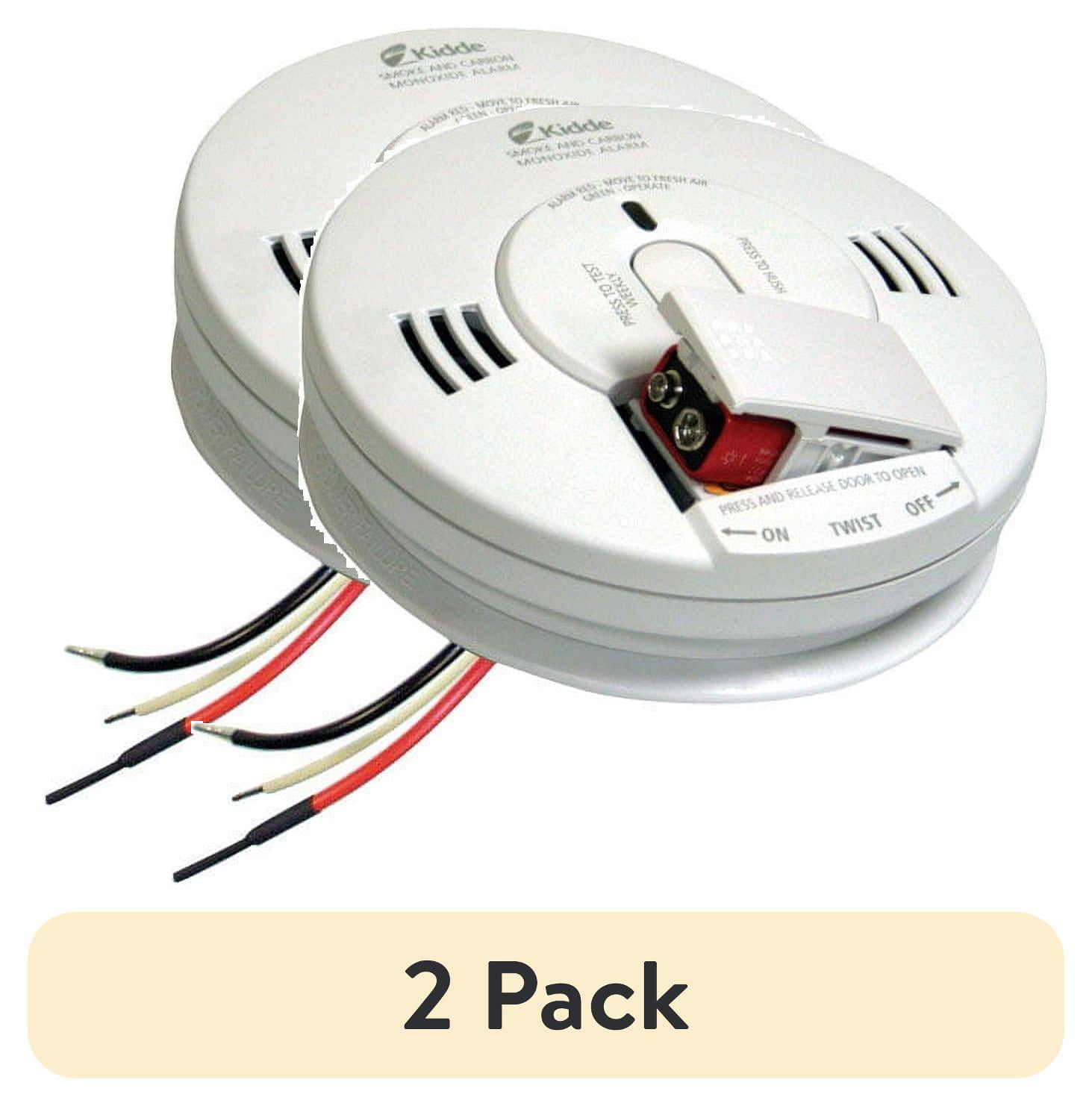
Hard Wired Carbon Monoxide Detectors
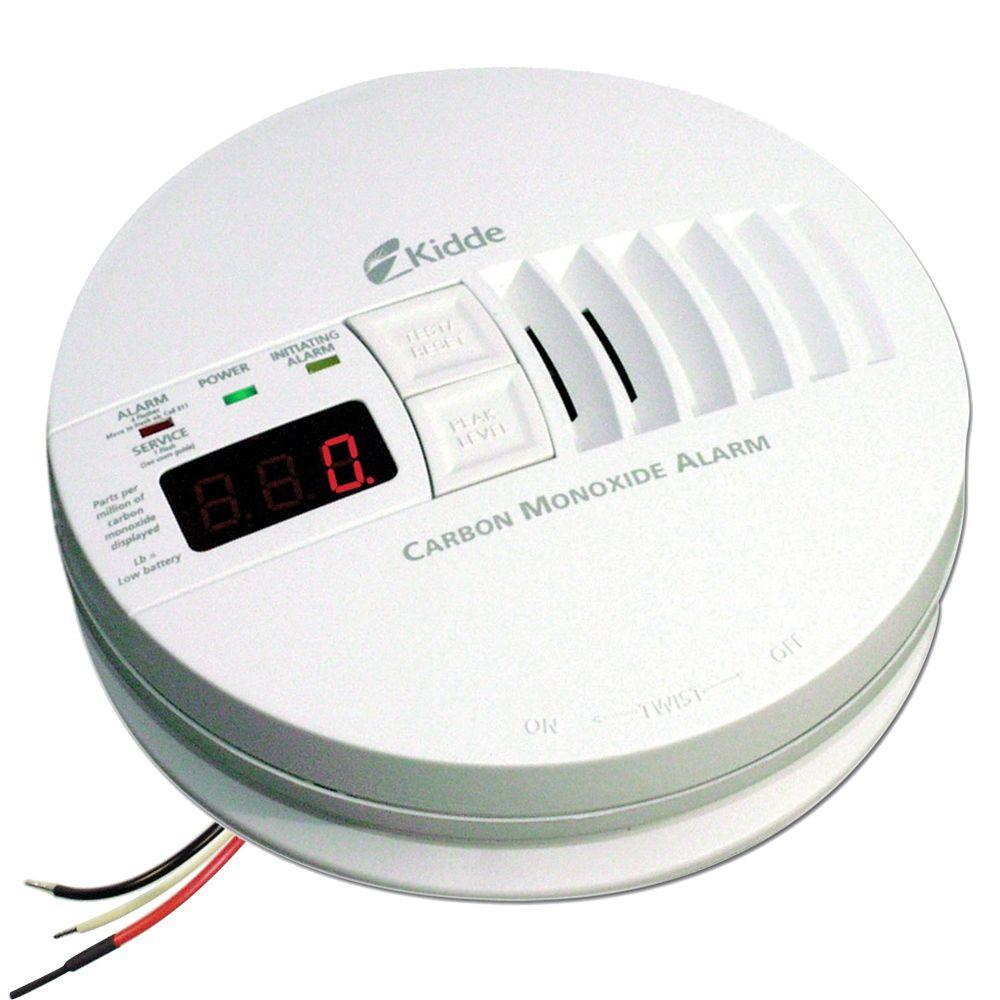
Alright, let’s talk about something that might sound a little... well, serious, but trust us, it’s all about creating that super chill, utterly safe vibe in your home. We’re diving into the world of hard-wired carbon monoxide detectors. Think of them as your home’s silent, ever-vigilant guardians, working tirelessly in the background so you can sip your matcha latte, binge-watch your favorite series, or just snooze soundly without a single worry.
In our hustle-and-bustle lives, we automate so much – smart thermostats, robot vacuums, even self-watering plants. Why should something as crucial as safety be any different? Hard-wired CO detectors are the grown-up, sophisticated cousins of those standalone battery units, offering a level of seamless protection that truly lets you relax.
The Invisible Threat: What is Carbon Monoxide?
Before we sing the praises of our hard-wired heroes, let's briefly touch on their nemesis: carbon monoxide (CO). This sneaky gas is often dubbed the "silent killer" for a reason. It's odorless, colorless, and tasteless, meaning you can't detect it with your senses. CO is produced when fuels like gas, oil, wood, or charcoal don't burn completely. Think faulty furnaces, clogged chimneys, gas ranges, or even cars left running in an enclosed garage. A build-up can quickly become life-threatening, causing symptoms that mimic the flu – headaches, dizziness, nausea – making it incredibly deceptive.
Must Read
Remember the old adage, "a canary in a coal mine"? Miners used to bring canaries down because the birds were more sensitive to dangerous gases and would collapse first, warning the humans. Thankfully, we've moved past using feathered friends for home safety; now we have much more reliable tech!
Why Go Hard-Wired? The Power of Connection
So, why bother with hard-wired when you can just pop in a battery-operated one? Here’s where the magic happens:
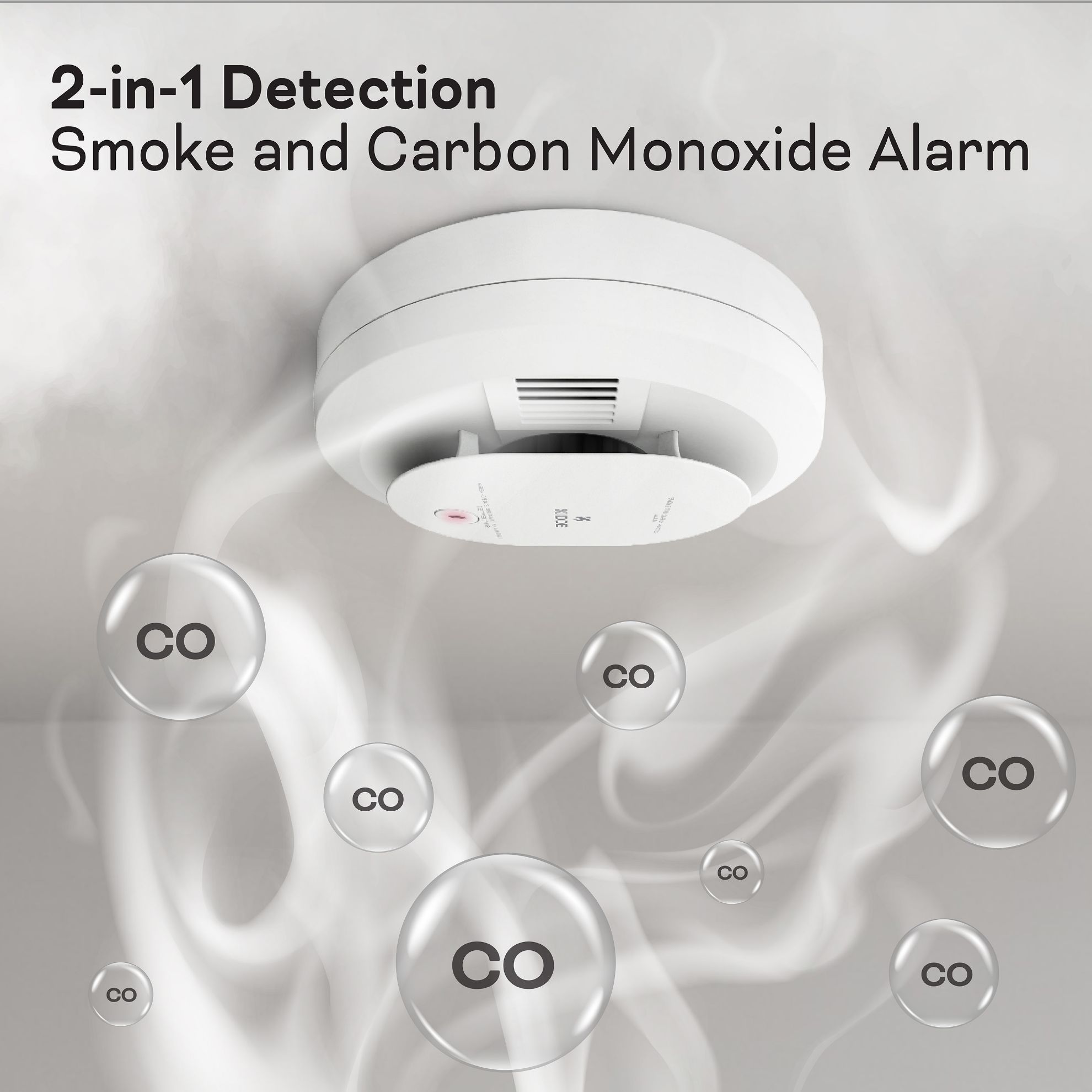
- Always On, Always Alert: Hard-wired detectors draw their primary power directly from your home's electrical system. This means they're constantly powered, eliminating the worry of a dead battery catching you off guard.
- Battery Backup for the Win: But what about power outages, you ask? Great question! Most hard-wired units come with a battery backup. So, even if the lights go out during a storm, your CO detector is still on duty, keeping its watchful eye. It’s like having a superhero with a secret power stash.
- Interconnected Safety Net: This is arguably the biggest game-changer. When one hard-wired CO detector senses a problem, it communicates with all the other interconnected detectors in your home. So, if a CO leak starts in the basement near the furnace, the detector in your bedroom on the second floor will also sound the alarm. It’s a full-house alert system, ensuring no one misses the warning. Imagine waking up to an alarm only on the first floor when you’re sleeping upstairs – not ideal!
- No More Annoying Chirps: Tired of that persistent, low-battery chirp from a detector you can't quite reach? Hard-wired units significantly reduce this annoyance, as they rely on house power. While the backup battery will eventually need changing (usually every 5-10 years, depending on the model), it's far less frequent than standalone units.
Placement, Maintenance, and Peace of Mind
Okay, you're convinced. Now, where do these silent sentinels go? The general rule of thumb is to install CO detectors on every level of your home, especially near sleeping areas and carbon-monoxide-producing appliances. Think outside each bedroom, in the hallway, or even in the finished basement where your furnace hums.
Installation is key: While swapping out an old unit might be a DIY project for some, if you're installing new hard-wired detectors or an interconnected system, it’s always best to call in a licensed electrician. They’ll ensure everything is up to code and working perfectly.
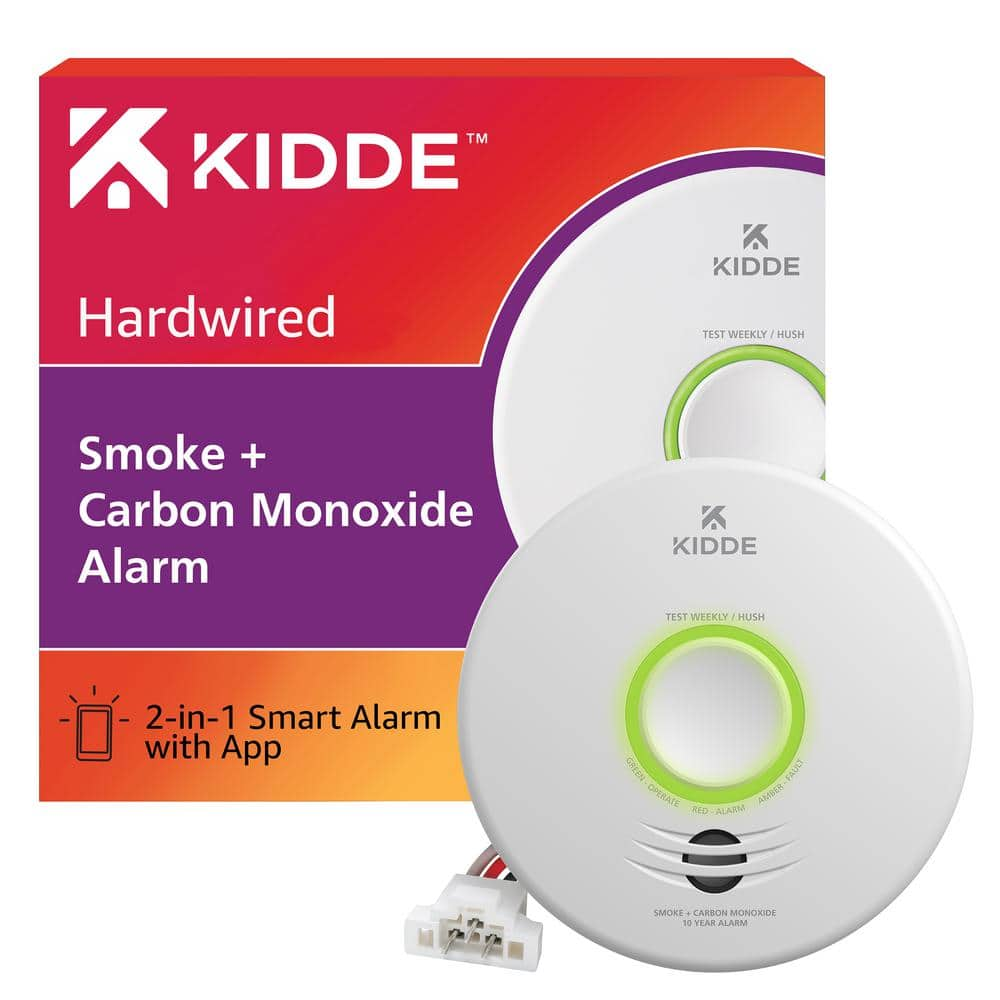
Don't forget to test! Even though they're hard-wired, they still need a little check-up. Press that "test" button regularly – once a month is a good habit. And here’s a crucial one: CO detectors have an expiration date. They aren't forever; the sensors degrade over time. Most units last between 5-10 years. Look for a manufacturing date on the back of the unit and plan to replace them accordingly. Mark it on your calendar, set a reminder, make it a recurring "safety refresh" ritual!
What Happens if it Goes Off?
If your CO alarm starts blaring, it’s not a drill for the faint of heart. Act immediately!
- Evacuate everyone from the home, including pets.
- Once outside, call 911 or your local emergency services.
- Do not re-enter your home until emergency responders say it’s safe. They have the equipment to detect CO levels accurately.
A Little Reflection on Modern Living
In a world where we strive for convenience, efficiency, and above all, peace of mind, hard-wired carbon monoxide detectors fit right in. They're not just gadgets; they're an investment in your family's safety and your own tranquility. It's about setting up your home to protect itself, letting you focus on the joys of everyday life – whether that's mastering a new recipe, enjoying a quiet evening with a book, or simply savoring the laughter of your loved ones. So, go ahead, enjoy that worry-free zone. Your home's got your back, thanks to a little bit of smart wiring.