Half Dollar Coin Value 1776 To 1976
Hey there, coin enthusiasts and history buffs! Ever stumbled upon a hefty, silvery coin and wondered, "Is this thing worth more than just fifty cents?" Chances are, you might be holding a 1776-1976 Bicentennial Half Dollar. These coins, released to celebrate the 200th anniversary of American independence, are more than just pocket change. Let's dive into the fascinating world of these commemorative coins!
A Blast from the Past: The Bicentennial Half Dollar
Okay, picture this: it's 1976. Disco is king, bell bottoms are everywhere, and everyone's humming along to "Dancing Queen." The US is throwing a massive birthday bash, and the Bicentennial Half Dollar is a star of the show. Minted from 1975 through 1976 (though dated 1776-1976), these coins were designed to be a tangible reminder of the nation's heritage.
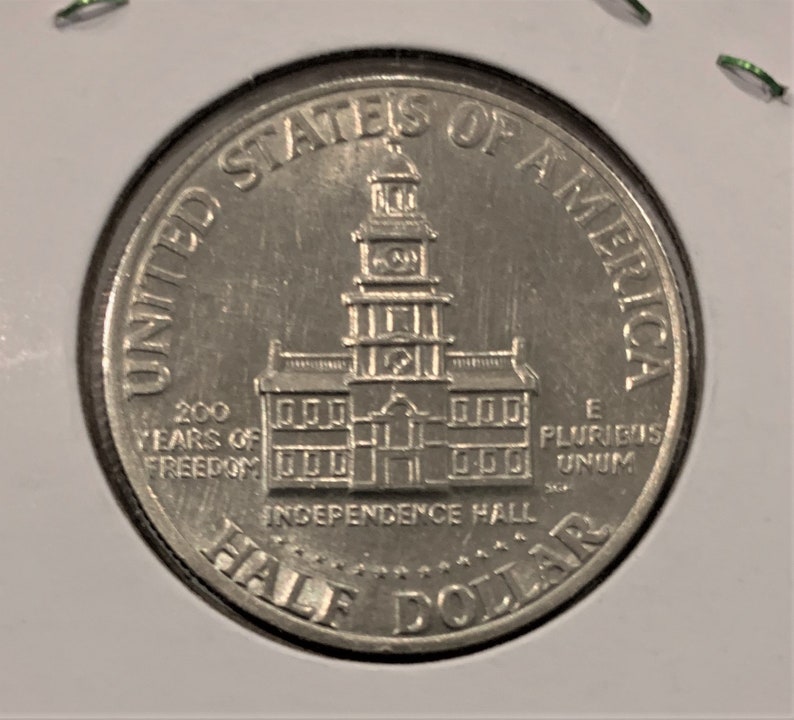
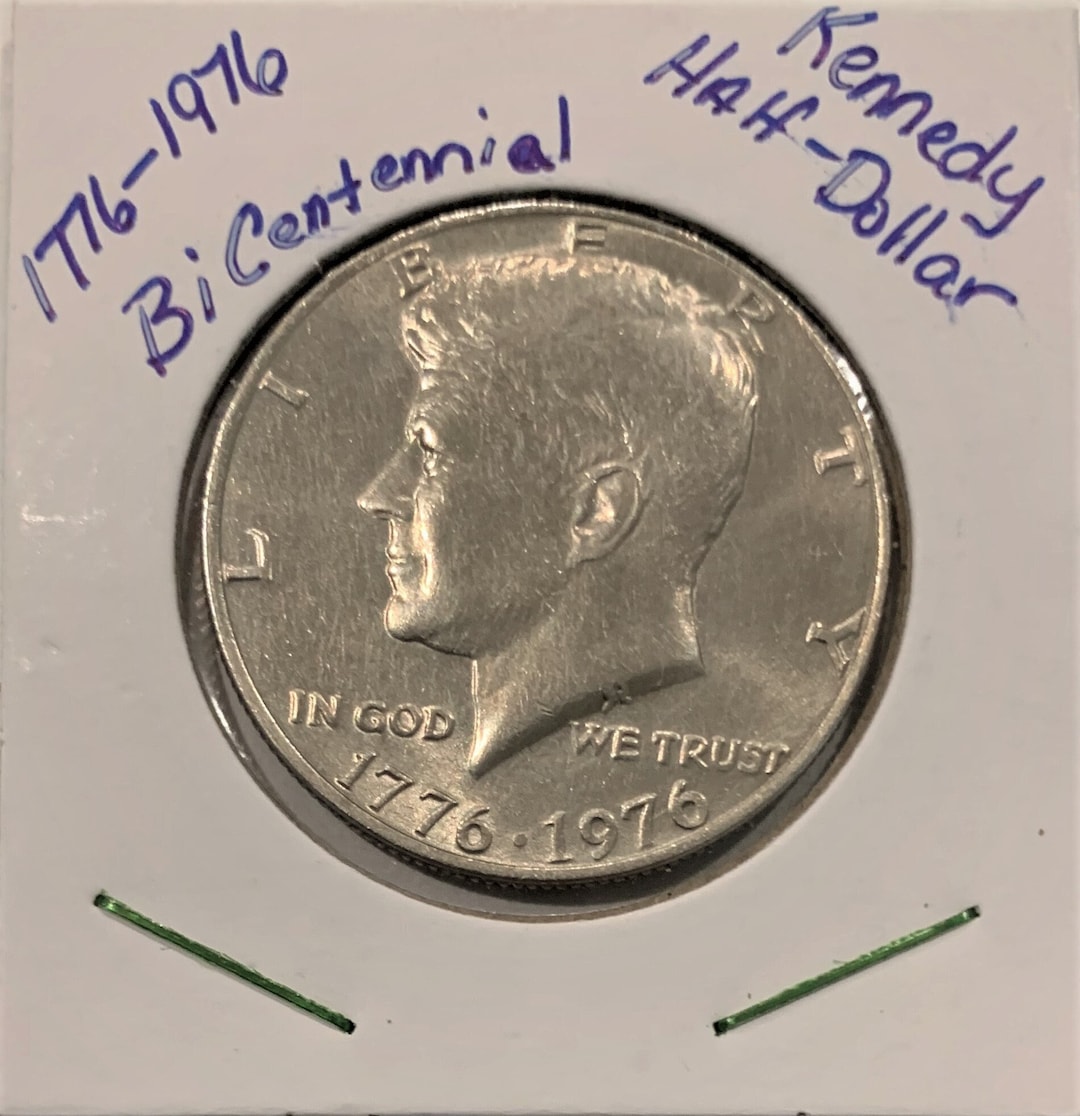
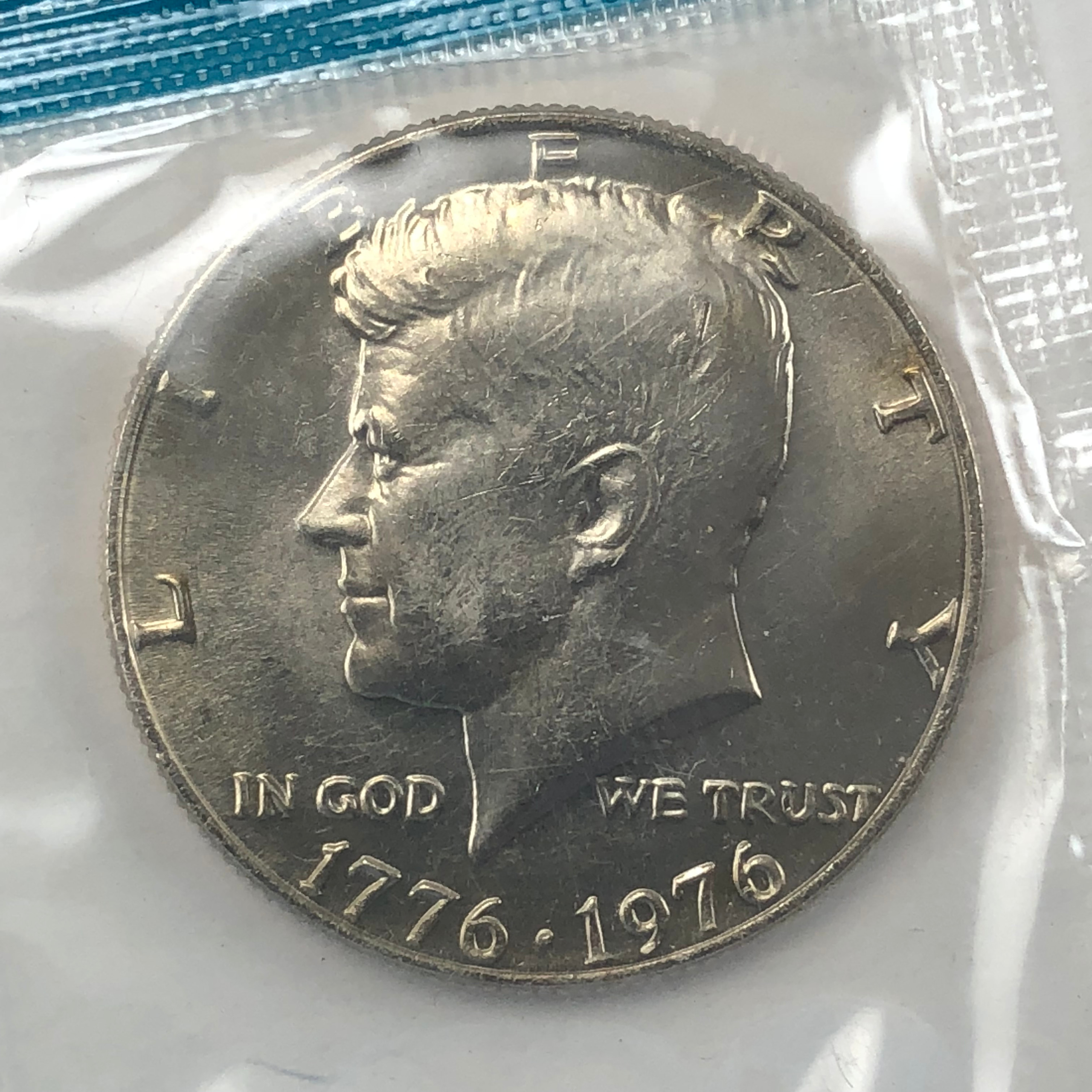
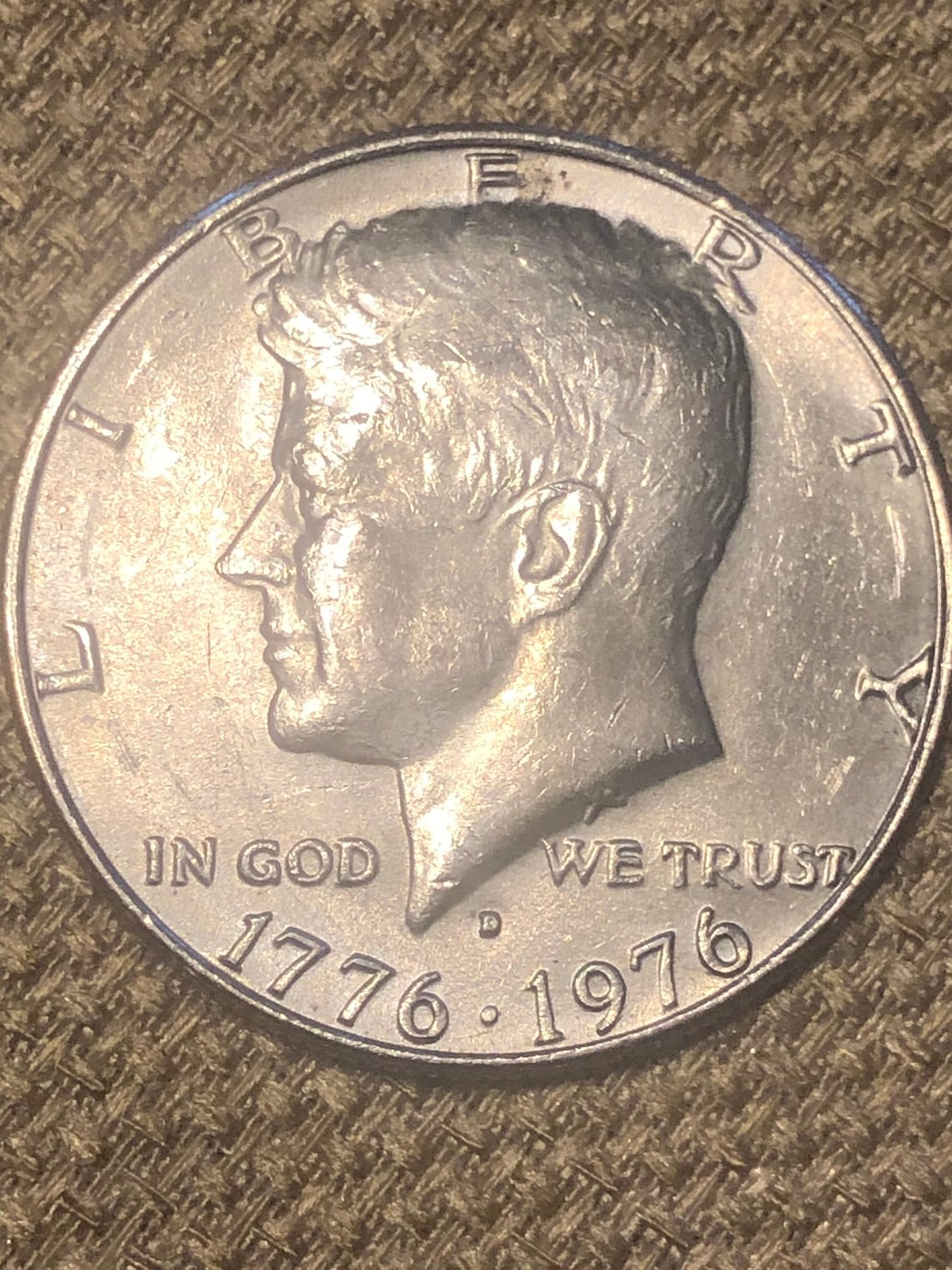
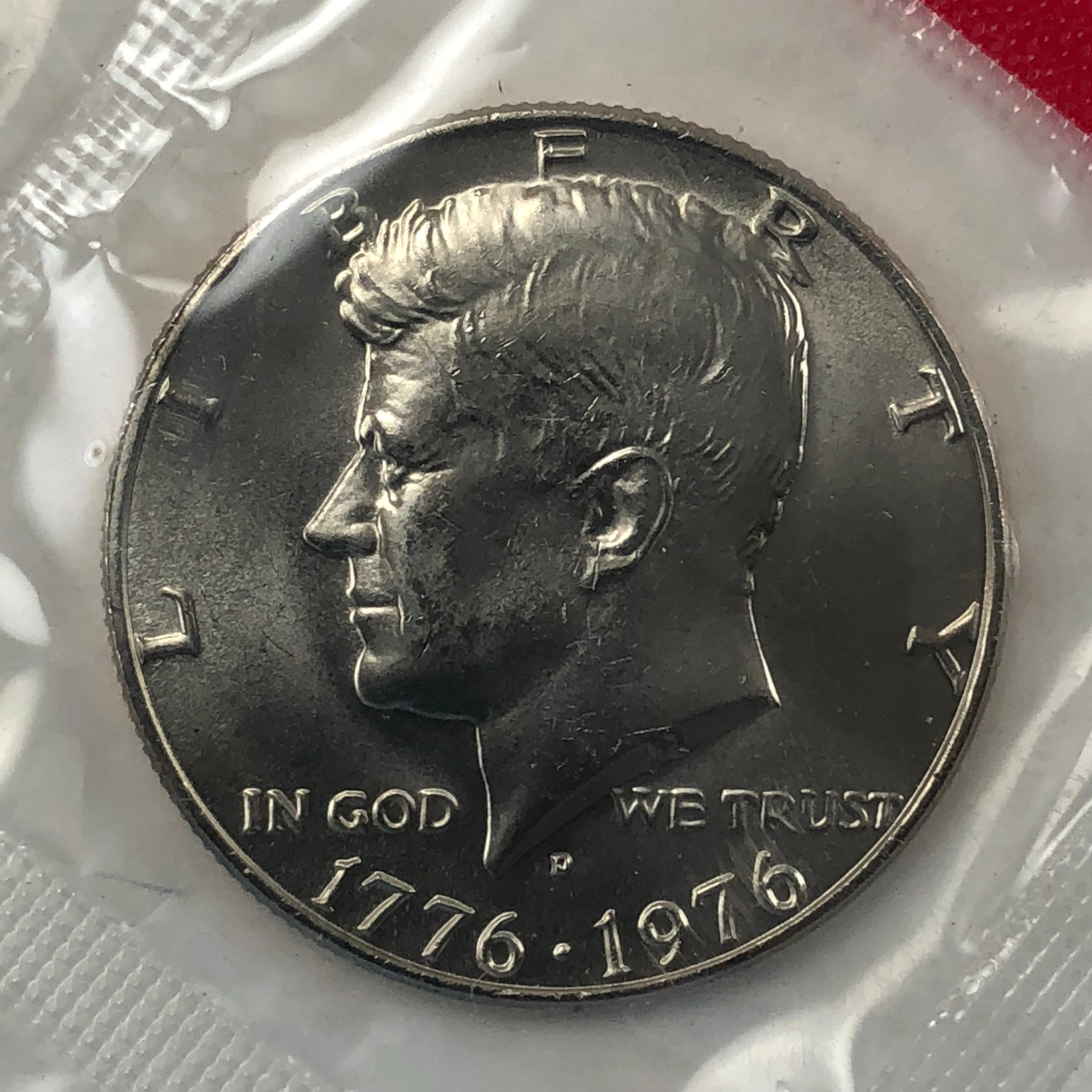
The design itself is pretty iconic. On the obverse (the front), you've got the familiar profile of John F. Kennedy. But flip it over to the reverse (the back), and boom! There’s the Liberty Bell superimposed on the moon. How cool is that? This design, created by Seth G. Huntington, beat out hundreds of other entries in a public competition. It was a bold, futuristic take on a classic symbol of American freedom.
Must Read
Decoding the Value: What’s It Worth?
So, you’ve got one in your hand. The burning question is: how much green is it actually worth? Well, the value of a 1776-1976 Half Dollar depends on a few key factors, primarily its condition and its metal content. Let's break it down:
- Circulated Coins: If your coin has been floating around in pockets and purses, showing signs of wear and tear, it's likely worth a bit more than its face value—usually between $1 and $3. Think of it as a conversation starter that also buys you a small coffee.
- Uncirculated Coins: Now, if you've got a shiny, pristine coin that looks like it just rolled off the presses, you're in better shape! These uncirculated specimens can fetch anywhere from $5 to $15, depending on the specific grade and whether it's been professionally graded by a service like PCGS or NGC.
- Silver Content: Here's where things get interesting. Some Bicentennial Half Dollars were minted with 40% silver. These silver coins, usually found in special uncirculated sets, are worth significantly more due to their precious metal content. Keep an eye out for these! They'll typically have a deeper, more lustrous appearance.
Pro Tip: The easiest way to get a general sense of value is to check online auction sites like eBay or look at price guides from reputable numismatic organizations. But remember, condition is king!
Beyond the Dollar Sign: The Cultural Significance
The Bicentennial Half Dollar isn't just about money; it's a piece of American history. These coins were a symbol of national pride during a time of economic uncertainty and social change. They represented a connection to the past and a hope for the future.
Think about it: these coins were handed out at parades, given as gifts, and collected as souvenirs. They were a tangible part of the Bicentennial celebrations that swept the nation. They represent a moment in time when America took a breath, looked back at its roots, and geared up for the next chapter.
Caring for Your Coin: A Few Pointers
Want to preserve your Bicentennial Half Dollar for future generations (or just keep it looking nice)? Here are a few simple tips:
- Handle with Care: Always hold coins by the edges to avoid transferring oils from your fingers to the surface.
- Storage is Key: Store your coins in acid-free holders or albums to prevent them from tarnishing or corroding.
- Cleaning Caution: Resist the urge to clean your coins! Cleaning can actually damage the surface and decrease their value. If you're unsure, consult a professional numismatist.
Final Thoughts: A Little Piece of History in Your Hand
The 1776-1976 Bicentennial Half Dollar is more than just a coin; it's a little slice of American history you can hold in your hand. Whether it's worth a few bucks or a bit more, it represents a moment of national unity and celebration.
It's a reminder that even the smallest objects can carry significant meaning and connect us to the past. So, next time you come across one of these coins, take a moment to appreciate its history and the story it has to tell. You might just be surprised at what you discover.
Ultimately, collecting isn't just about the monetary value; it's about the joy of discovery and the connection to something bigger than ourselves. Just like those disco tunes and bell bottoms, these coins offer a groovy glimpse into a bygone era. Keep searching, keep exploring, and keep collecting!