Picture this: you're enjoying a peaceful Sunday morning. Maybe you're sipping coffee. Perhaps you're still half-asleep. Suddenly, a sound tears through the quiet. A piercing, soul-shattering shriek that makes your heart leap into your throat. It's the smoke detector. You jump up, eyes wide, frantically searching. Is it a real fire? Burnt toast? A rogue dust bunny setting off the alarm?
You probably know the drill. You wave a dishcloth, frantically fan the air, or reach for a broom handle to poke that infuriating little button. Eventually, it stops. You breathe a sigh of relief. Your life, temporarily disrupted by a simple, but very effective, device, returns to normal. This, my friends, is the classic smoke detector experience. It’s loud, it’s dramatic, and it gets the job done. But what if I told you there’s a new player in town?
The Age of the Smart Smoke Detector
Enter the Google Home compatible smoke detector. Yes, you read that right. Your humble smoke alarm can now chat with your smart speaker. It’s part of the ever-expanding world where everything, it seems, needs to be "smart." We have smart doorbells, smart light bulbs, smart thermostats. And now, a smart device whose primary function is to scream at you when things get smoky.
My first thought, and perhaps yours too, is: why? What exactly does a smoke detector gain by being best friends with Google Home? Does it whisper sweet nothings about impending danger? Does it calmly inform you, in a soothing voice, that your dinner is now officially charcoal? Imagine the scenario:
"Hey Google, what's up?"
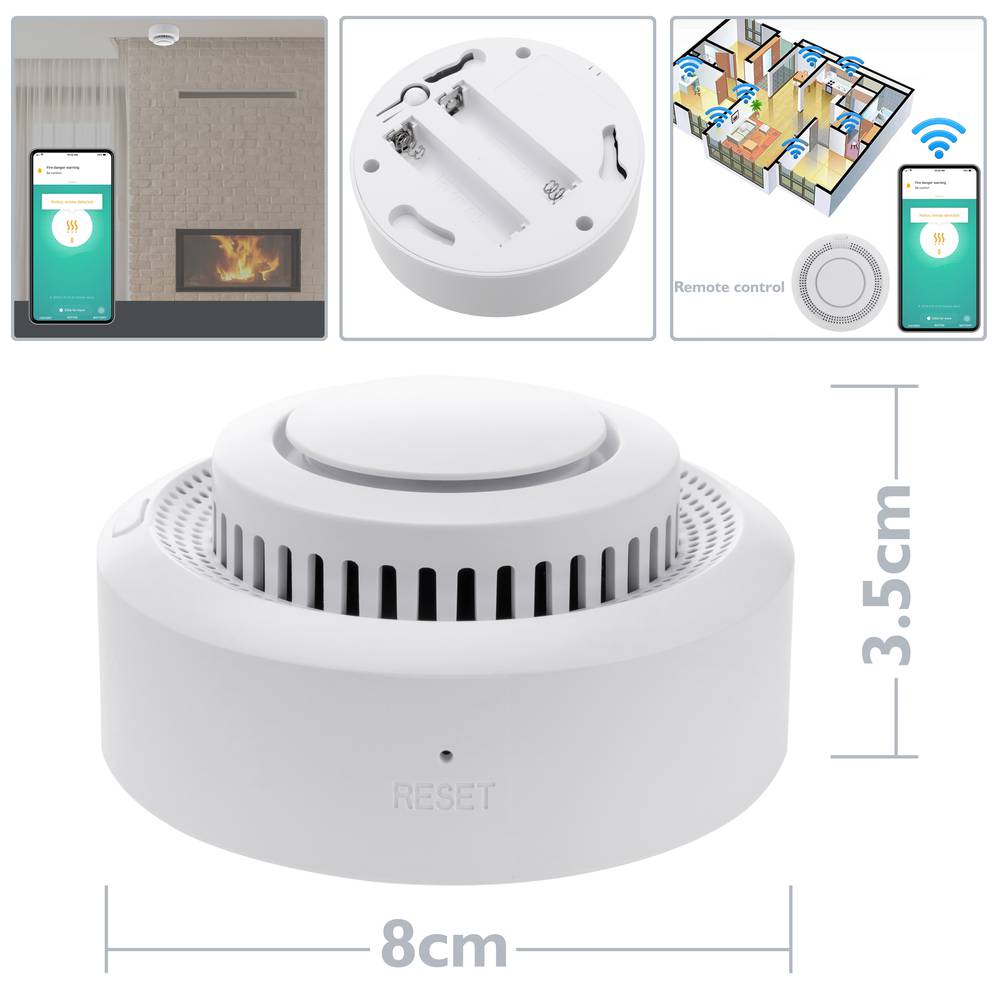
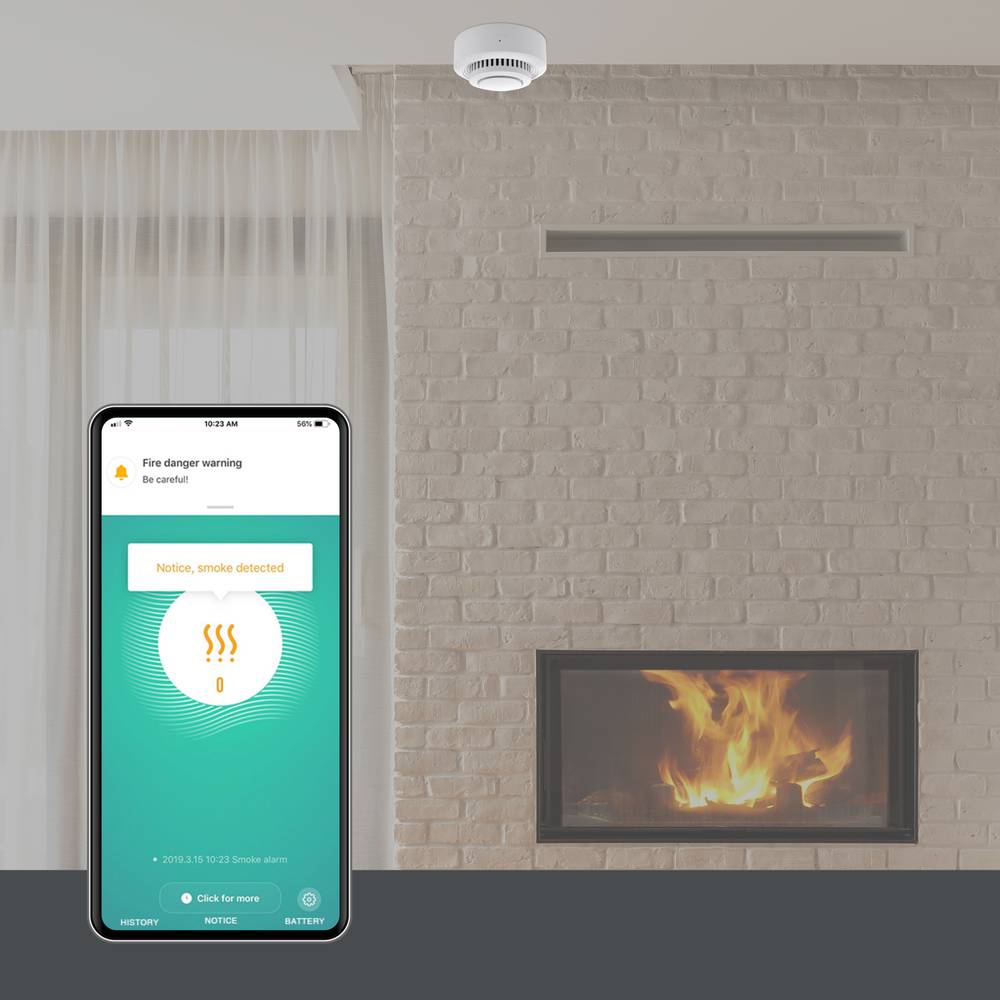
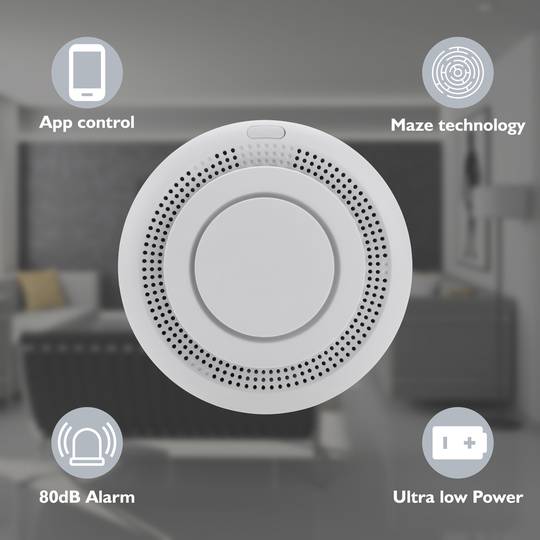
WiFi smart smoke detector compatible with Google Home, Alexa and IFTTT
"Good morning! Also, I've detected a significant amount of smoke particles near the kitchen. You might want to check that out. Oh, and your smart fridge says you're low on milk."
I mean, come on. When there's actual smoke, a piercing alarm is pretty much all the information you need. You don't need a detailed report on particle density. You don't need a weather update for your kitchen. You need to know: is it time to evacuate or just open a window?
Over-Engineering Our Peace of Mind?
The beauty of a traditional smoke detector is its beautiful simplicity. It has one job. It does that job with ear-splitting dedication. It doesn’t need Wi-Fi. It doesn't need software updates. It doesn't need to be told to "turn on" or "turn off." It just sits there, patiently waiting to save your bacon (sometimes literally).
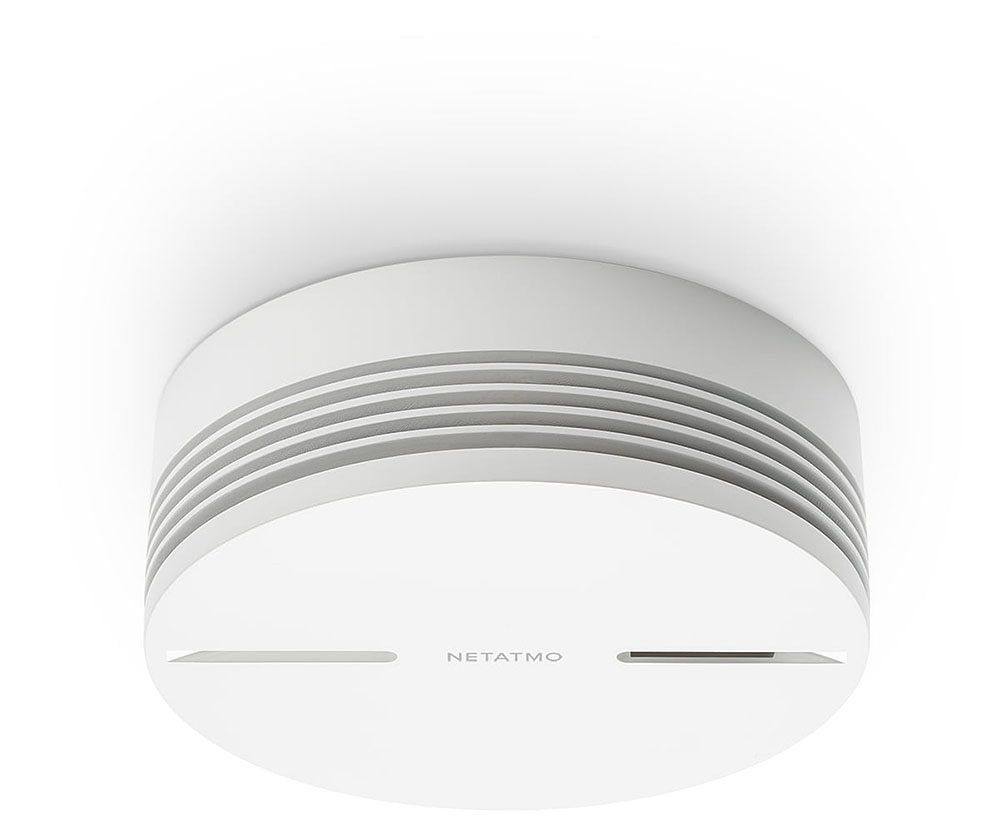
Netatmo Smoke and Carbon Monoxide Detectors, Google Home compatible
Now, with a Google Home compatible smoke detector, we're adding layers. What if the Wi-Fi goes down? What if Google Home has an existential crisis and decides not to relay the message? Are we expecting it to send a push notification to our phone that says, "Warning: kitchen is currently a smokehouse"? I'm pretty sure I'd hear the actual alarm before I checked my phone for an alert about a burning house.
And let's not forget the battery warnings. You know the drill. That annoying little chirp that happens in the middle of the night, always just out of reach. Will Google Home tell you, "Hey, your smoke detector battery is low, but I'm not going to specify which one. Good luck!" Or will it simply say, "I've detected a low battery in the home. Probably not mine." The thought alone is enough to make you long for the days of simple, dumb batteries.
WiFi smart smoke detector compatible with Google Home, Alexa and IFTTT
My (Perhaps Unpopular) Opinion
Here’s my truth, and perhaps it’s an unpopular opinion in our smart-home-obsessed world: some things just don’t need to be smart. A smoke detector is one of them. Its job is so fundamentally important, so critical, that it doesn't need any bells and whistles. It needs to be loud, reliable, and immune to Wi-Fi outages or software glitches.
I appreciate innovation. I love smart lights that change color with my mood. I adore smart speakers that can play my favorite tunes on command. But when it comes to fire safety, I want the simplest, most foolproof alarm system available. I want the one that screams like a banshee and doesn’t care about my internet connection. I want the one that relies on good old-fashioned batteries and a very sensitive sensor, not a conversation with a virtual assistant.
So, the next time you hear that familiar, jarring shriek, take a moment to appreciate it. It's doing its job, no questions asked, no smart speaker required. Sometimes, the dumbest devices are the smartest choices. And that, I think, is a notion we can all playfully agree on.