
Gigabyte Geforce Gtx 1070 Ti Gaming 8g Hashrate

Okay, picture this: it’s 2017, the crypto boom is really kicking off, and suddenly everyone I know is talking about mining. My buddy Mark, bless his soul, spent all his savings on a rig that looked like something out of a sci-fi movie. He was convinced he’d be sipping mojitos on a beach in the Bahamas within months. One of the cards he swore by? The Gigabyte GeForce GTX 1070 Ti Gaming 8G. Ah, the memories… (and the regret for not jumping in myself sooner!).
So, why am I reminiscing about this particular piece of hardware? Well, because even now, years later, people are still asking about the GTX 1070 Ti's hashrate and mining capabilities. Nostalgia, maybe? Or perhaps a testament to how well-engineered that card actually was. Let’s dive in, shall we?
What's the Deal with Hashrate?
First things first: what even is hashrate? Simply put, it's the speed at which your graphics card can solve complex cryptographic puzzles. The higher the hashrate, the more “work” your card can do, and the more potentially you can mine (assuming the profitability is there, of course!). Think of it like this: if you're trying to find a needle in a haystack, the hashrate is how fast you can sift through that haystack.
Must Read
Different cryptocurrencies use different algorithms, which require varying amounts of processing power. This means the hashrate of your GTX 1070 Ti will differ depending on which coin you’re trying to mine. Ethereum (ETH), Ergo (ERG), Ravencoin (RVN) - they all have their own unique demands.
Side note: Don’t expect to get rich overnight. Mining ain't what it used to be!
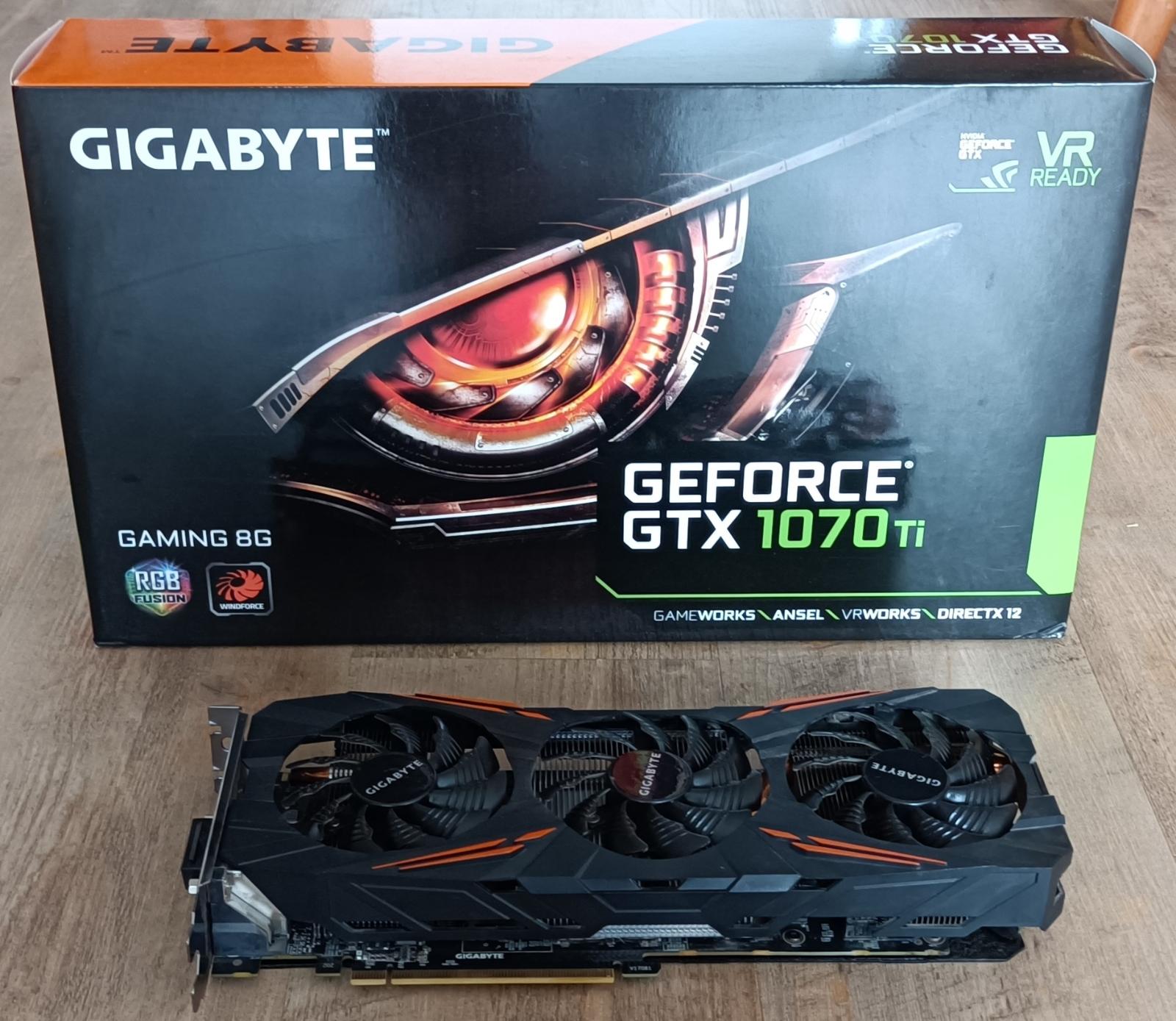
The Gigabyte GTX 1070 Ti Gaming 8G: A Mining Contender?
Alright, let's get down to brass tacks. The Gigabyte GTX 1070 Ti Gaming 8G was a solid performer for its time. It packed 8GB of GDDR5 memory and a respectable number of CUDA cores, making it a decent option for mining. When it launched, it offered a good balance of power and efficiency (remember, you're also paying for electricity!).
But what kind of hashrates are we talking about? Well, expect:
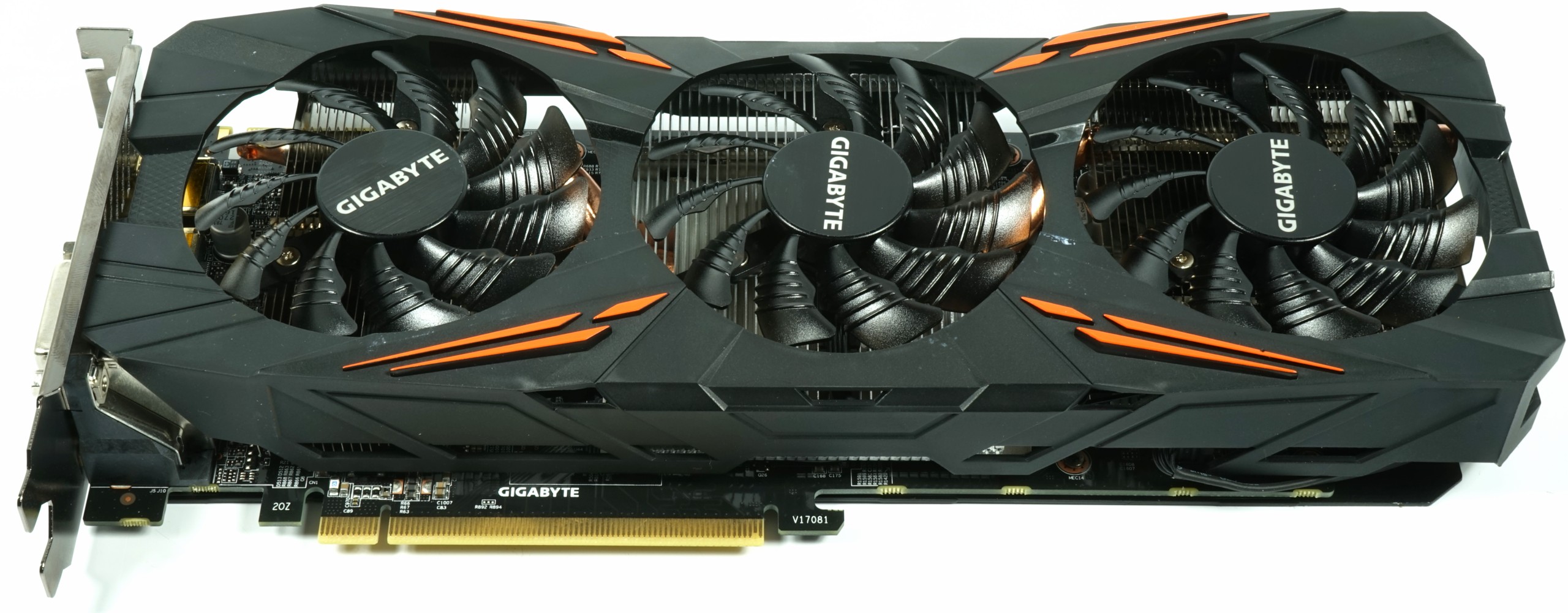
- Ethereum (ETH): Back in its prime, you could expect somewhere in the neighborhood of 30-32 MH/s. That's Megahashes per second, for those not in the know.
- Other Algorithms: Performance on other algorithms varied wildly. Some might be more efficient than others. You'd need to do some research based on the specific coin you're interested in.
Of course, these numbers are just estimates. The actual hashrate you achieve will depend on a number of factors:
- Overclocking: Pushing the card beyond its factory settings could squeeze out a few extra MH/s. But be careful! Overclocking can also increase heat and reduce the lifespan of your card.
- Power Limit: Taming the power consumption can sometimes improve efficiency without significantly impacting hashrate. It’s a delicate balancing act!
- Miner Software: Different mining software (e.g., Claymore, PhoenixMiner, T-Rex) can have varying performance characteristics. Experiment to see what works best for your setup.
- Ambient Temperature: Keeping your card cool is crucial. Overheating will throttle performance and could damage your hardware.
Pro Tip: Always monitor your GPU temperature! You don't want to fry your precious card.
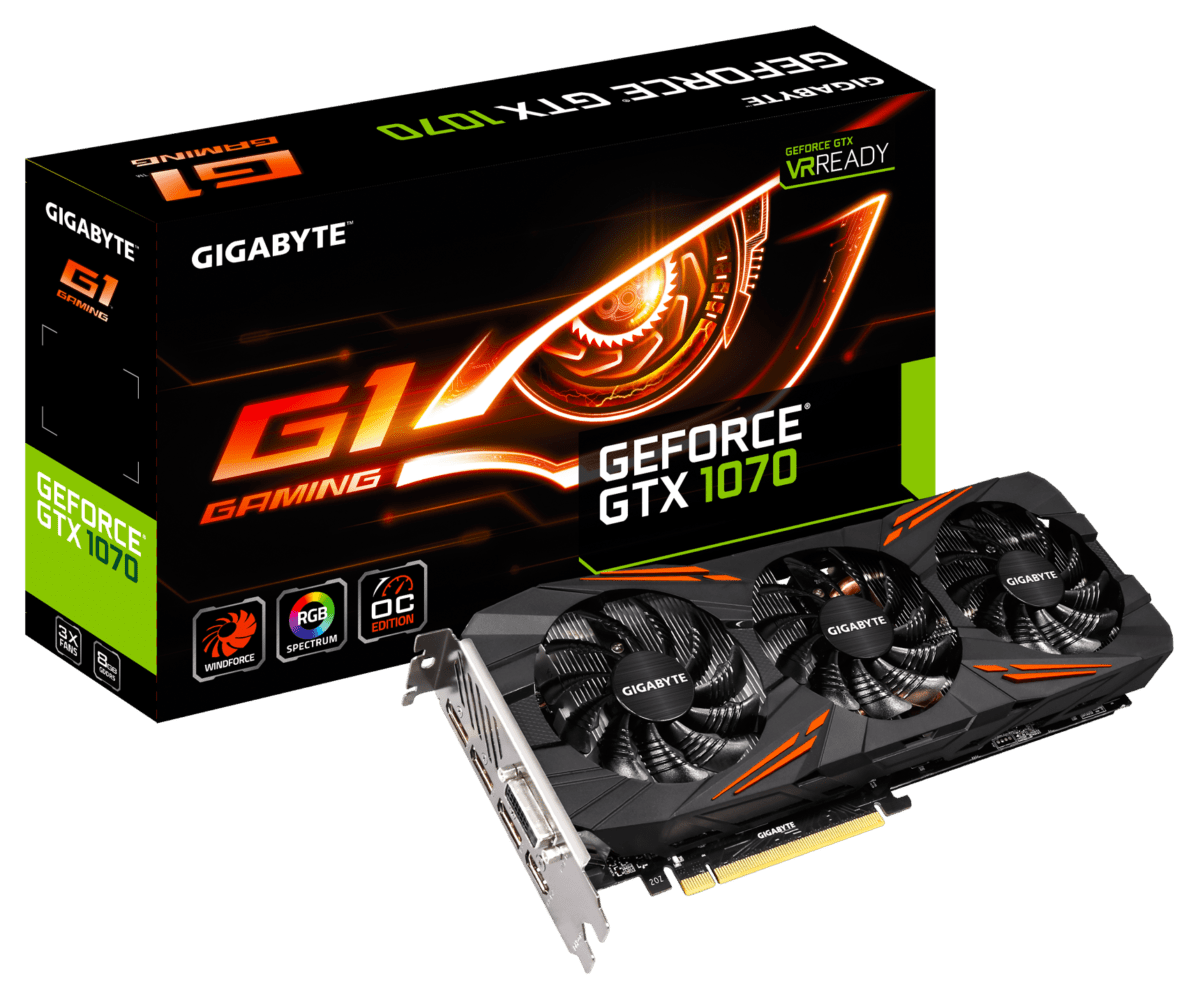
Is It Still Worth It Today?
Now for the million-dollar question (or, more realistically, the "is it even worth a few dollars" question): is the Gigabyte GTX 1070 Ti Gaming 8G still a viable mining card in 2024? The answer is… complicated.
Modern graphics cards are significantly more powerful and efficient than the 1070 Ti. Plus, the crypto mining landscape has changed dramatically. The Ethereum merge, for example, rendered GPU mining of ETH obsolete.
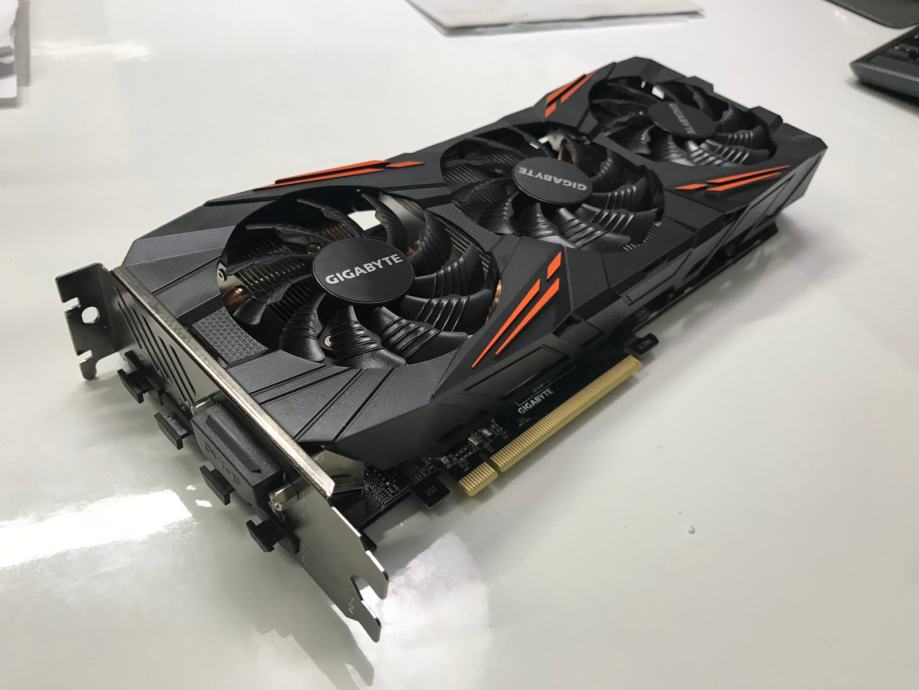
While you could still mine some altcoins with a 1070 Ti, the profitability is likely to be quite low. The electricity costs alone might eat into your potential earnings.
Honestly, unless you already have one lying around, I wouldn't recommend buying a GTX 1070 Ti specifically for mining today.
However, if you already own one and you're curious, there's no harm in experimenting. Just be sure to do your research, optimize your settings, and keep a close eye on those temperatures! Happy mining (or, you know, gaming – it's still a decent card for that!).