Gas Leak In House Symptoms
Alright, friend, let's chat about something wildly important but surprisingly easy to overlook: gas leaks! I know, I know, it sounds super serious. But hear me out! Thinking about this stuff isn't about being a worrywart; it's about being a home superhero. It’s kinda like knowing the secret handshake for staying safe. Plus, some of the symptoms are just... quirky!
Imagine this: your trusty natural gas. It warms your house, cooks your food, powers that cozy fireplace. It's usually the best, most reliable housemate ever. But what if it decides to go on a little unauthorized adventure, escaping its pipes? That's a gas leak, and knowing its secret signals is seriously cool.
The Nose Knows: Your First (and Funniest) Alarm!
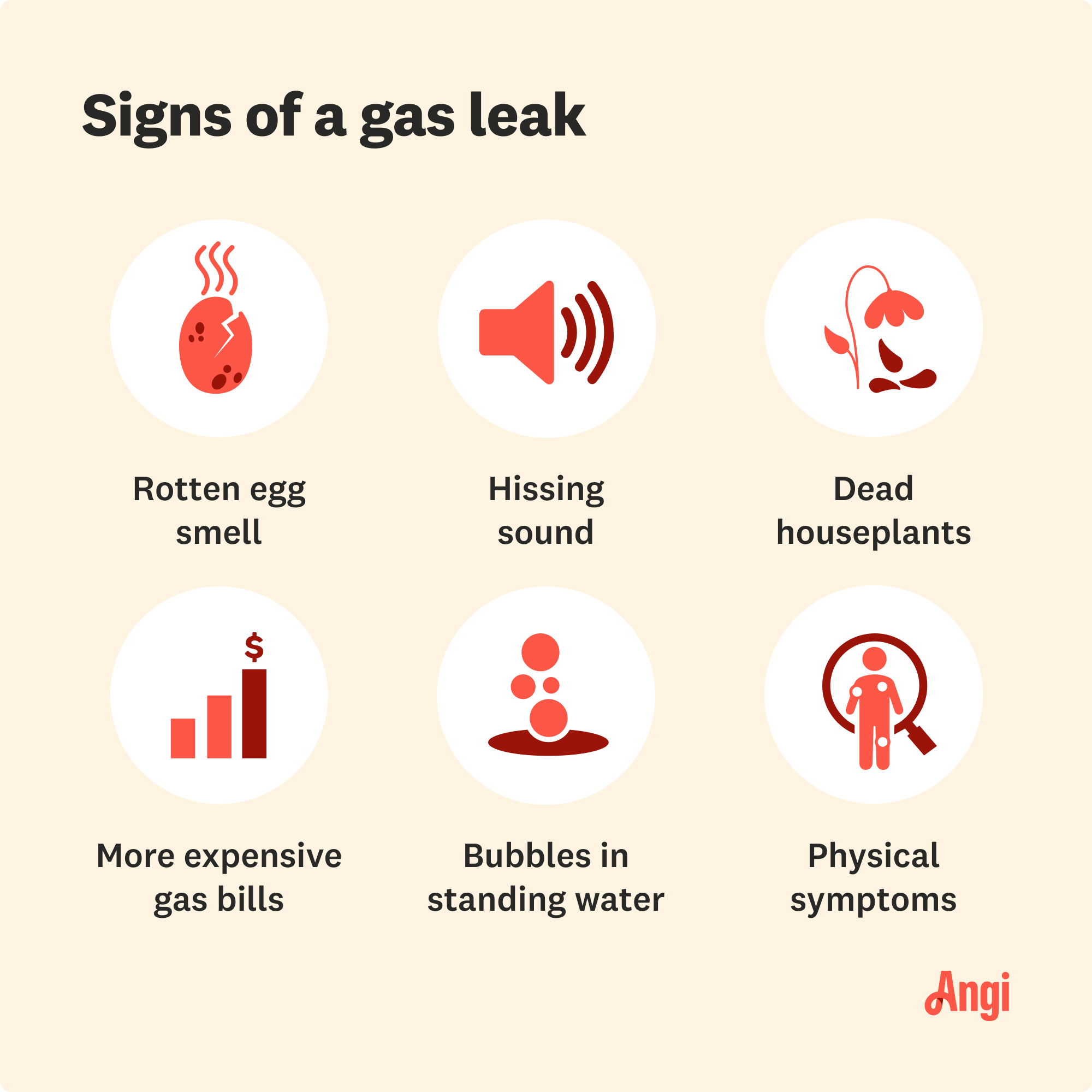
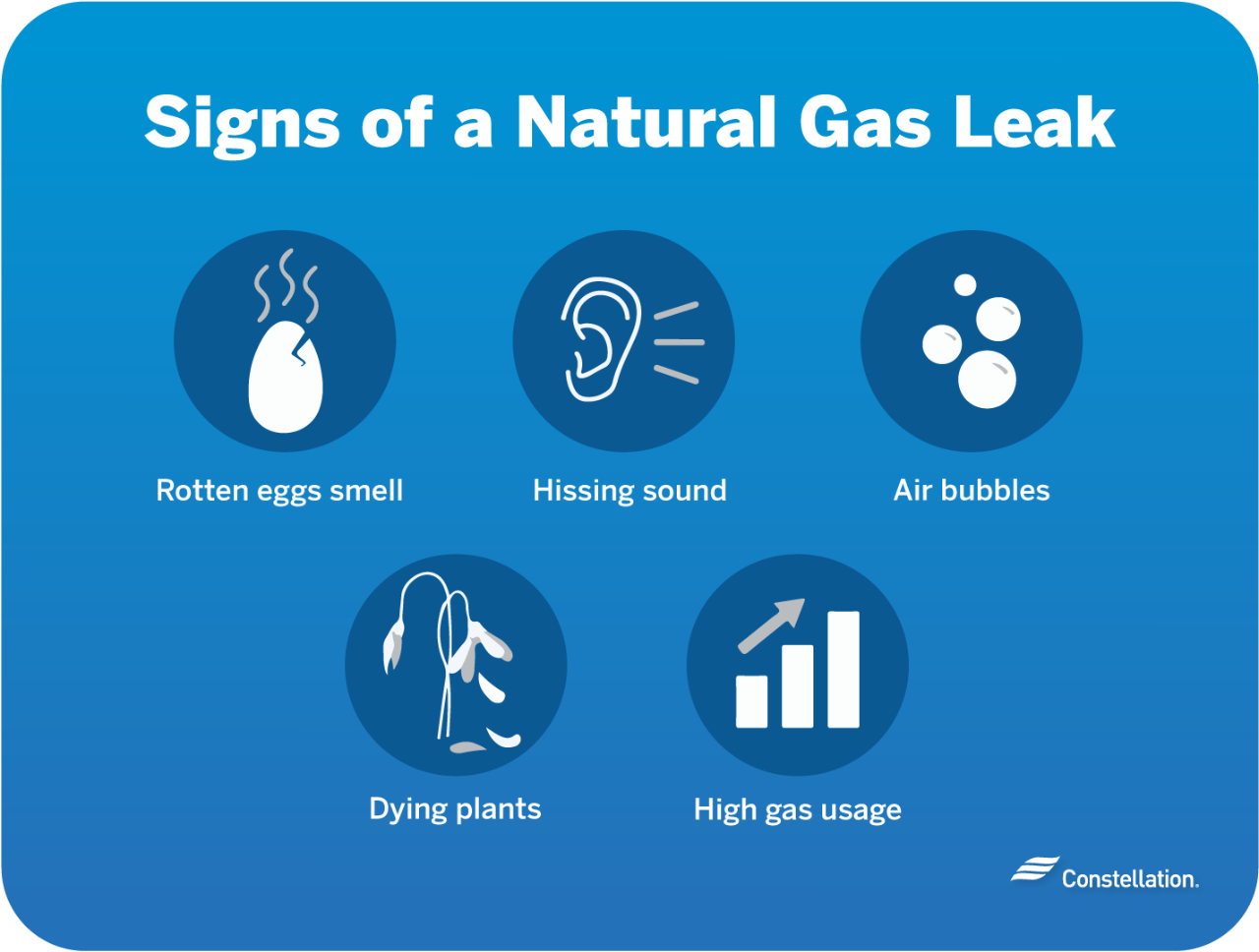
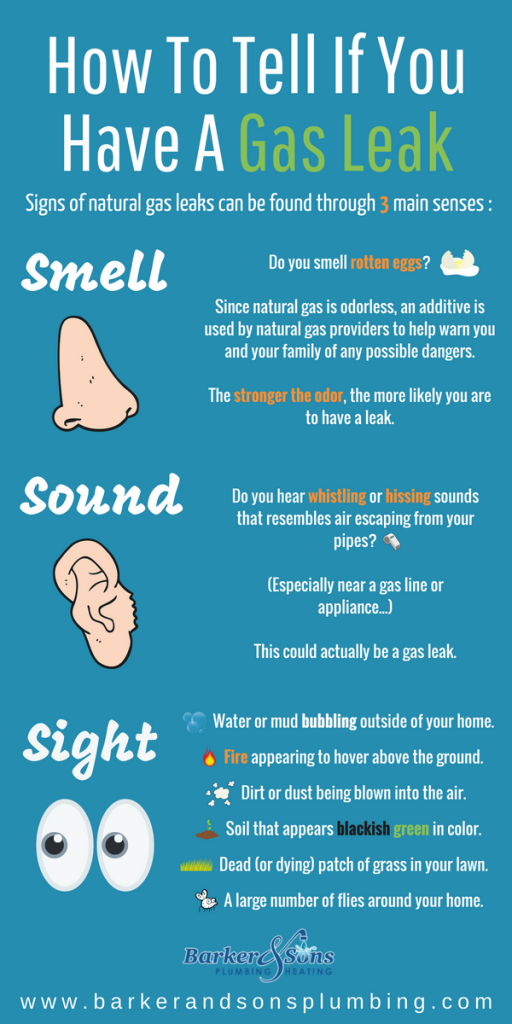
This is the big one, the undisputed champion of gas leak detection: the smell. Here's a mind-blower for you: pure natural gas? It's actually odorless! Mind blown, right? Like a ninja, completely silent and invisible. So, how do we smell it then?
Must Read
Enter our hero, Mercaptan! Gas companies add this super stinky chemical to natural gas specifically so you can smell a leak. What does it smell like? Think of the most memorable stink bombs you’ve ever encountered: rotten eggs, spoiled cabbage, maybe even a distant relative of a skunk. Seriously, it's that distinct. It's supposed to grab your attention and yell, "Hey! Something's not right here!" Your nose is basically your home’s personal, extremely effective, and rather rude alarm system.
The Eyes Have It: Quirky Visual Clues
Sometimes, gas doesn't just assault your nostrils; it leaves little visual breadcrumbs. Keep an eye out for these:

- Bubbles in Water: See unusual bubbles in a puddle, a ditch, or even a wet spot on the ground near your gas meter or lines outside? It’s like a tiny, uninvited, bubbly dance party for gas trying to escape.
- Dust Storms Indoors: Is dust or dirt mysteriously blowing around near a gas appliance or pipe indoors? Gas can sometimes act like a tiny poltergeist, kicking up debris as it leaks.
- Sad Houseplants: This one's a bit of a heartbreaker. If your indoor plants near a gas line or appliance suddenly start looking droopy, turning yellow, or just generally giving up the ghost for no apparent reason, a gas leak might be displacing the oxygen they need to survive. Poor little plant pals!
The Ears Don't Lie: A Hissing, Whistling Warning
Your ears can also be a secret weapon! Sometimes, a gas leak can be audible. Listen for:
- A soft hissing sound. It might be faint, like a tiny, angry snake trapped in your wall.
- A distinct whistling noise. Is your gas pipe trying to serenade you? Probably not. More likely, it's gas escaping under pressure.
Any unusual sound coming from your gas lines or appliances is worth a quick investigation. Your home shouldn't be making those kinds of noises unless it's haunted, and that's a whole other article!
Feeling Funky? The Subtle Signs (often related to CO)
Now, let's talk about something that can go hand-in-hand with gas issues: carbon monoxide (CO). While natural gas itself isn't toxic (it mostly just displaces oxygen and is highly flammable), a faulty appliance with a gas issue can produce CO. And CO is the true ninja: odorless, colorless, tasteless. Seriously sneaky!
Symptoms of CO exposure often feel like you’ve caught a nasty bug or had a really rough night out (without any of the fun!). Watch out for:
- Headaches and dizziness.
- Nausea or feeling generally unwell.
- Fatigue and confusion. Is your brain suddenly feeling like a fuzzy, slow-motion movie?
- Flu-like symptoms without a fever.
The kicker? These symptoms often affect multiple people or pets in the house at the same time. If you're feeling weird and you can't figure out why, especially when you're indoors, don't dismiss it!
Appliances Are Talking: What Your Stove Might Be Saying
Your gas-powered gadgets can also give you clues:
- Yellow or Orange Flames: Your gas stove or water heater should ideally have a crisp, blue flame. If you're seeing yellow or orange, it means the gas isn't burning efficiently. It’s like your appliance is saying, "Hey, I'm feeling a bit... jaundiced!"
- Soot or Black Marks: Notice unexplained soot or black stains around your gas appliances? That's another sign of incomplete combustion, possibly indicating a problem.
- Pilot Light Problems: Is your pilot light constantly going out? It's like your appliance is on strike!
Okay, So I Think I Have a Leak! What’s the Fun (and Safe) Next Step?
If you suspect a gas leak based on any of these signs, don't panic! Here's the super-quick, super-important rundown:
- Don’t try to find the leak yourself. Leave that detective work to the pros.
- Get out! Seriously, just leave the building immediately.
- Once you're outside and a safe distance away, call for help. Use your phone outside the house. Don't touch light switches, appliances, or anything that could create a spark inside – that’s the big no-no.
- Call your gas company's emergency line or 911. They'll know exactly what to do.
See? Knowing this stuff isn't scary; it's empowering! You're now equipped with the secret intel to spot potential gas mischief. Stay curious, stay aware, and keep those awesome gas appliances working safely. Your nose, eyes, ears, and even your houseplants will thank you!