Gas Cap Causing Check Engine Light
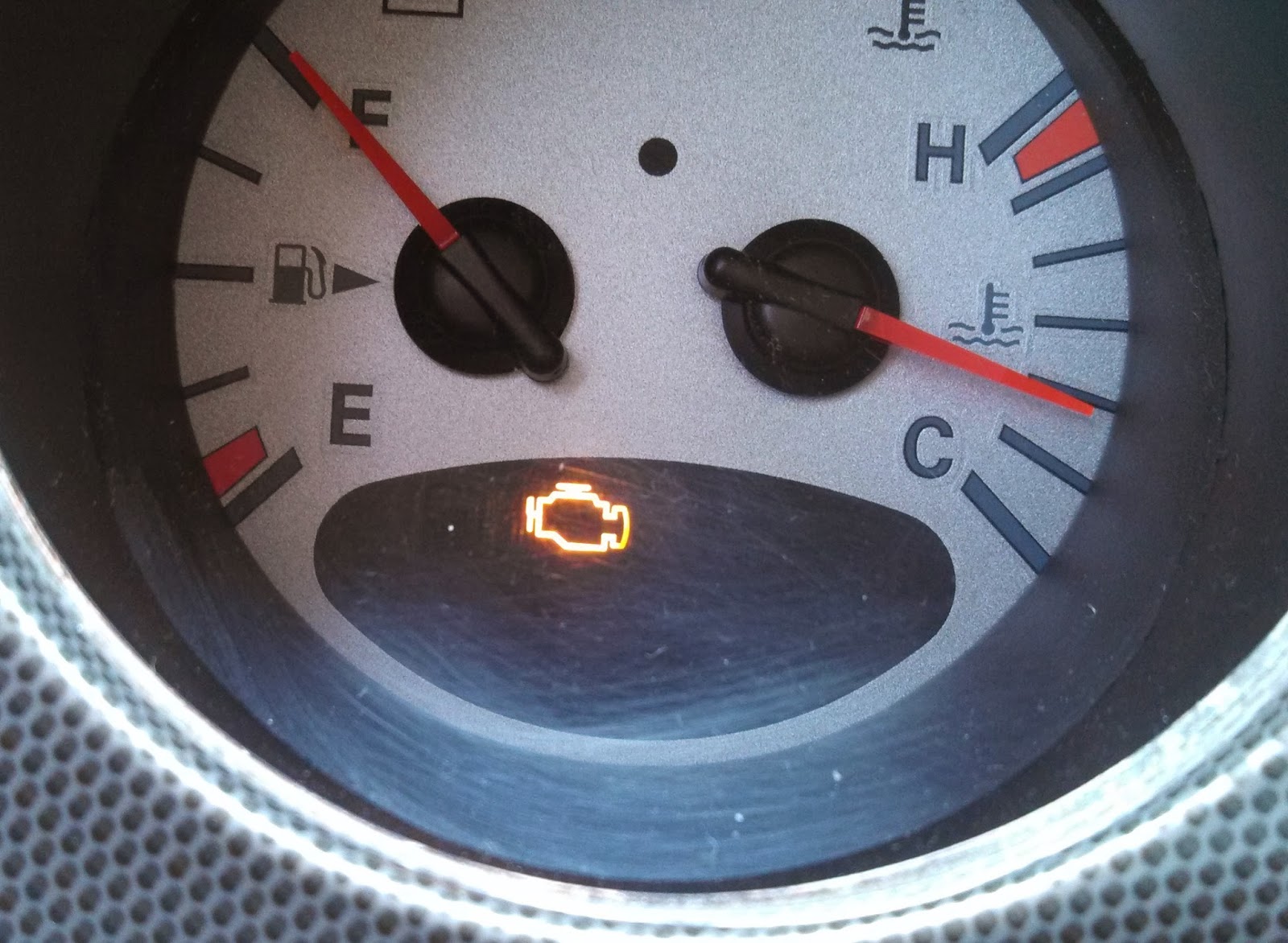
Ever seen that little orange light pop up on your dashboard – the dreaded check engine light? It can trigger instant anxiety, making you imagine worst-case scenarios and hefty repair bills. But before you panic, did you know that sometimes, the culprit is something as simple as your gas cap? It might seem trivial, but understanding how a gas cap can trigger that light is surprisingly relevant to everyday car ownership and even a little bit fun! After all, who doesn’t love solving a mystery, especially one that could save you a trip to the mechanic?
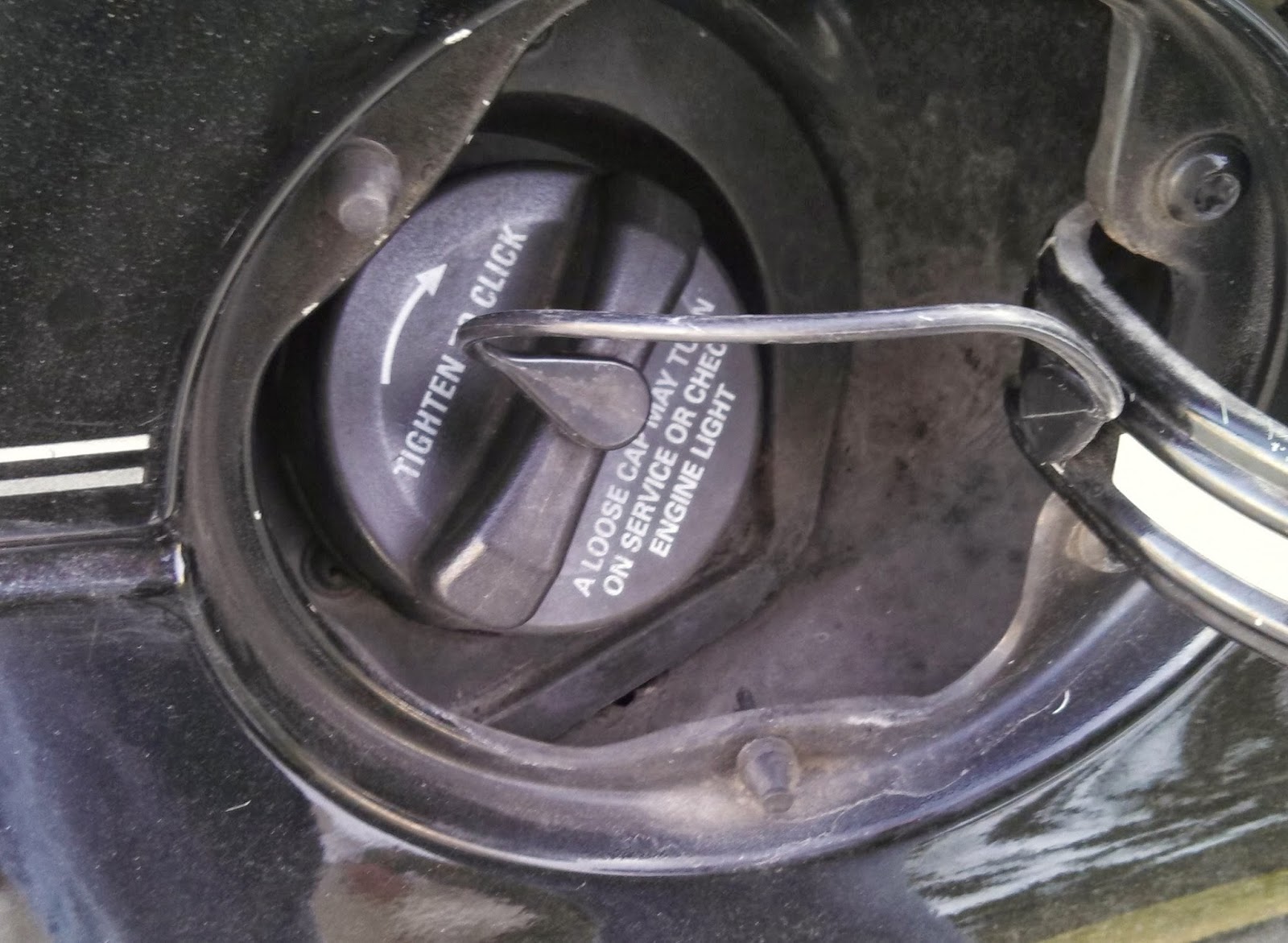
So, what exactly does a gas cap do, and why is it so important? Its primary purpose is to seal the fuel tank. This prevents gasoline vapors from escaping into the atmosphere. This has two major benefits: it reduces air pollution and helps maintain the proper pressure within your vehicle's fuel system. Think of it like a lid on a tightly sealed container. A good seal means no leaks and everything works as intended. A loose or damaged gas cap compromises this seal, allowing fuel vapors to escape. This is where the check engine light comes in.
Modern cars are equipped with sophisticated emission control systems. One crucial part of this system is the Evaporative Emission Control System (EVAP). The EVAP system monitors for fuel vapor leaks. When it detects a leak – even a small one caused by a faulty gas cap – it triggers the check engine light. The car's computer interprets the pressure change as a potential problem with the emissions system, even if it's just a loose seal. This is why a seemingly minor issue like a gas cap can have a big impact.
Must Read
The principle of a sealed system, which is central to the gas cap's function, isn’t limited to just cars. In education, it’s a great example of how pressure and volume are related, a concept taught in physics and chemistry. Think of demonstrations using sealed containers to show how changes in pressure affect the environment inside. In daily life, we see this principle in action with things like pressure cookers, where a tight seal is essential for proper function. Understanding the gas cap and EVAP system can help you appreciate the importance of seemingly small components in larger systems.
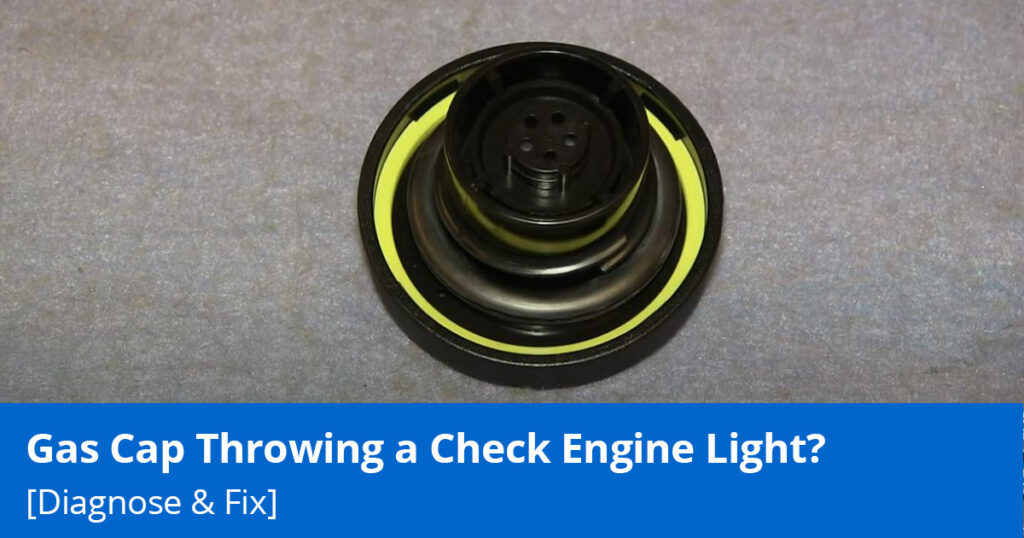
So, what can you do if your check engine light comes on and you suspect your gas cap? First, check the cap! Make sure it’s properly tightened. Sometimes, it just needs a few extra clicks. Next, inspect the cap for any cracks, damage, or wear and tear. If the cap looks worn out or doesn't seem to seal properly, replacing it is an inexpensive and easy fix. You can buy a new gas cap at most auto parts stores. After replacing the cap, it may take a few days of driving for the check engine light to turn off. If the light persists after a week, it's best to have your car checked by a mechanic to rule out other potential issues.
Exploring this further can be as simple as watching a video online about how EVAP systems work or reading your car's owner's manual. You can even ask a mechanic to show you the gas cap and explain how it works during your next oil change. Don't be afraid to ask questions! Understanding your car, even at a basic level, can empower you to troubleshoot simple problems and potentially save yourself time and money.