
Garage Door Not Closing Light Flashing
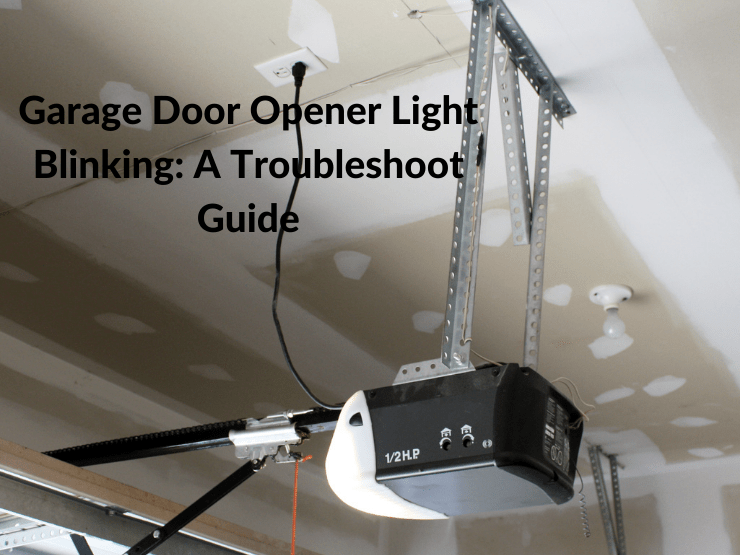
Alright, picture this: You're heading out, ready to conquer the day. You hit the garage door button, expecting that satisfying rumble as it obediently descends. But wait! Instead, it just… stops. Maybe it moves an inch, maybe it doesn't budge at all. And then, the ultimate betrayal: that little light on your opener starts flashing like crazy. Ugh! It's not just a light; it's a silent, blinking scream of frustration, isn't it?
This isn't just a garage door problem; it's a universal human experience. It’s like your house is giving you a cryptic riddle before you even have your first coffee. But guess what? This little blinking light isn't a sign of the apocalypse; it's often a friendly (albeit annoying) hint. Let’s dive into this glorious garage door drama, because honestly, it’s kinda fun when you know the secrets!
The Case of the Quirky Sensors
First up, meet the tiny, often-forgotten heroes (or villains) of your garage door saga: the safety sensors. These little guys are usually mounted about six inches off the floor, one on each side of the door frame. They shoot an invisible infrared beam across the opening. Think of it like a tiny, secret laser tripwire straight out of a spy movie!
Must Read
If anything – and we mean anything – breaks that beam, the door refuses to close. Why? Safety, darling! It’s preventing your precious car, your adventurous pet, or even your own foot from becoming a pancake. The flashing light is often their way of saying, "Hey! Something's in the way!" What could it be? A stray garden hose, a kid's scooter, a rogue tumbleweed, or, my personal favorite, a giant, fuzzy spider web. Seriously, those eight-legged engineers are surprisingly adept at blocking beams!
So, your first mission, should you choose to accept it: inspect those sensors. Are they clean? Are they aligned? Sometimes a gentle nudge is all they need. If they're dusty or covered in cobwebs (the horror!), give them a quick wipe. They're just asking for a little TLC!

Obstruction Obsession: When the Door Has Trust Issues
Beyond the sensors, sometimes the garage door simply bumps into something it shouldn’t. It might be subtle. Maybe your recycling bin creeped a little too close. Perhaps a shovel leaning against the wall is just barely protruding. Garage doors, bless their mechanical hearts, are built with a reverse mechanism to prevent damage (and lawsuits!).
If it encounters resistance while trying to close, it’ll reverse and – you guessed it – flash that light at you. It’s essentially saying, "I tried, boss, but something's blocking my path!" Give the door's path a good once-over. Is there a random box? A forgotten bicycle helmet? Even a tiny pebble can throw off its delicate balance. It's like your garage door has a touch of OCD and demands a perfectly clear path.
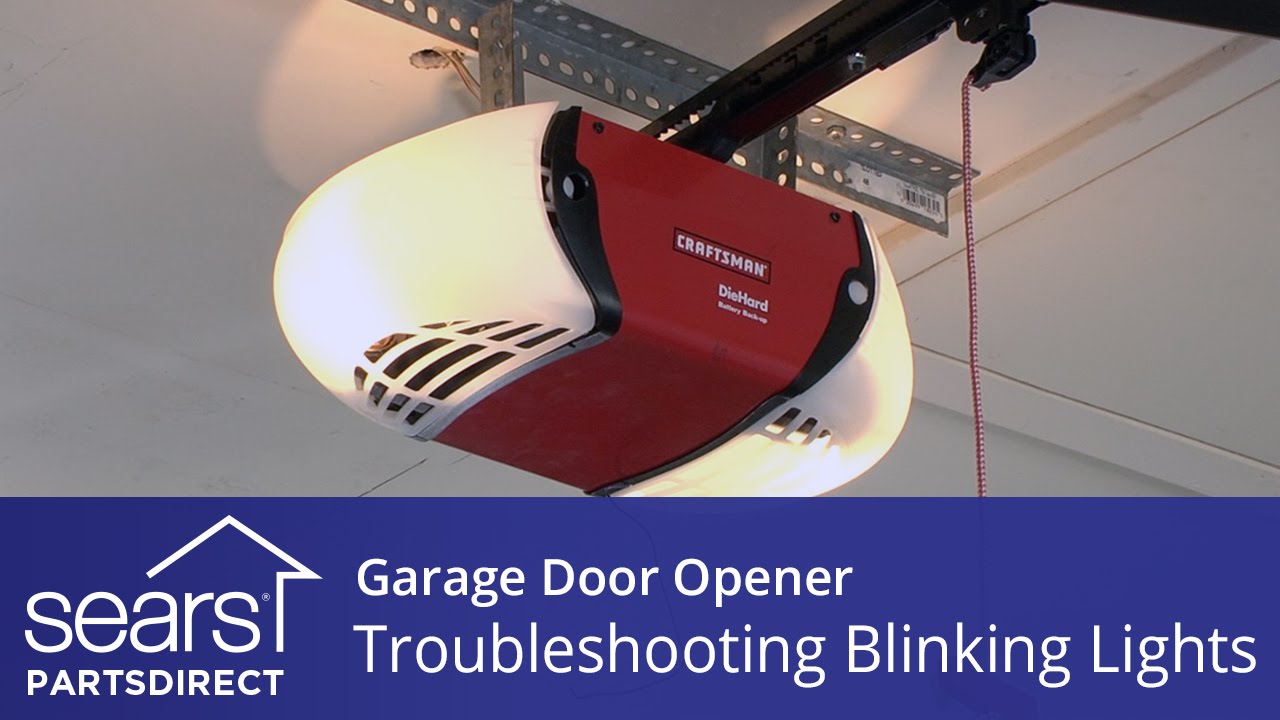
The Remote Rebellion & Signal Shenanigans
Okay, so your sensors are clear, and the path is pristine. What now? Let's talk about the brain of the operation: your opener and its trusty sidekick, the remote. Sometimes, the problem isn't with the door's movement but with its communication.
A dead or dying battery in your remote can definitely cause issues. It's like trying to talk with a whisper when the door expects a shout! Another quirky culprit? Signal interference. Modern homes are full of Wi-Fi, smart gadgets, and Bluetooth devices. Believe it or not, sometimes your neighbor's new super-powered smart home hub or even that amateur radio enthusiast down the street could be messing with your garage door's signal. It's a tiny wireless war happening right over your head!

Try using the wall-mounted button instead of the remote. If that works, it points to a remote or interference issue. If neither works, the plot thickens! Sometimes, even a quick unplug-replug of the opener itself (like giving a computer a soft reset) can work wonders. It’s the ultimate "have you tried turning it off and on again?" for your garage door.
The Limits of Logic: When Your Door Forgets Its Boundaries
Every garage door opener has "limit settings." These tell the door how far down it should go before stopping and how far up it should go when opening. Think of them as the door's internal GPS. Over time, or sometimes after power surges, these settings can get a little wonky. The door might think it's hit the ground when it's still an inch up, or it might try to push past the ground, triggering its safety reverse.

When this happens, you often get that flashing light, telling you it's confused. Adjusting these limits can be a bit more hands-on (usually involving dials or buttons on the opener unit itself), but it’s often explained clearly in your owner's manual. It’s like recalibrating your pet; reminding it where the boundaries are!
The Grand Conclusion: You're a Garage Door Detective!
So, that flashing light isn't just a nuisance; it's a silent communicator, a quirky messenger from the heart of your garage. It's telling you a story, hinting at a small (or sometimes not-so-small) mystery. Most of the time, the solution is surprisingly simple – a clean sensor, a moved obstruction, a fresh battery, or a quick reset.
Next time that light starts flashing, don't despair! Embrace your inner detective. Channel your curiosity. You're not just fixing a door; you're solving a puzzle, deciphering a code, and proving that you're smarter than a blinking light. Go forth and conquer your garage door woes, you magnificent problem-solver!