Free Government Home Security System
Okay, so picture this: I was trying to fall asleep the other night, minding my own business, when suddenly – THUMP! downstairs. My heart practically leaped out of my chest, did a quick jig, and then tried to run a marathon. I froze. Was it the cat finally succeeding in its lifelong quest to knock over the bookshelf? A particularly aggressive gust of wind? Or, you know, something a little less… feline? Turns out, after a five-minute internal debate worthy of a Shakespearean tragedy (and a quick peek from behind the bedroom door), it was just my own incredibly clumsy self forgetting to close the fridge door properly after a midnight snack, and a jar of pickles had decided to make a break for it. The relief was palpable, but it got me thinking…
That fleeting moment of panic? It’s a feeling many of us know all too well. We want our homes to be our castles, our safe havens, our pickle-jar-proof fortresses. And in an ideal world, securing that peace of mind wouldn't involve endless research, confusing contracts, or draining our bank accounts. This is where a truly fascinating, almost mythological concept popped into my head: what if there was a Free Government Home Security System?
The Dream of "Free" and "Government" Combined
I know, I know. "Free" and "government" in the same sentence, especially when talking about something as critical as home security, sounds like something out of a sci-fi comedy, doesn't it? But let's indulge the fantasy for a moment. Imagine a world where Uncle Sam steps in and says, "Don't worry about it, folks. We've got your back. Literally, your front door, your back window, and probably your cat flap too."
Must Read
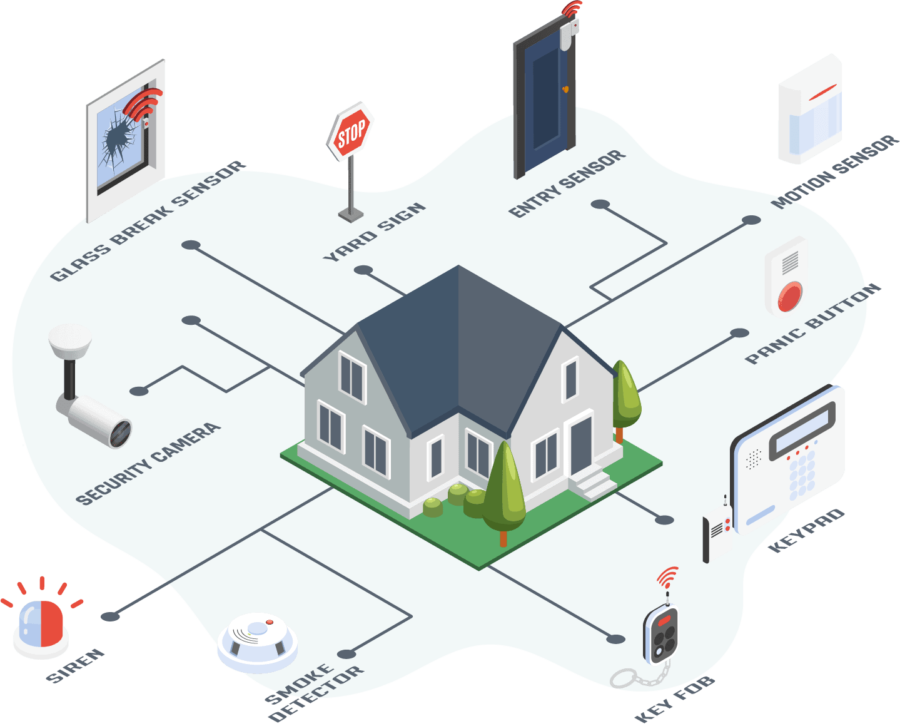
Think about it. No installation fees. No monthly subscriptions. No trying to decipher what "premium monitoring" actually entails. Just a government-mandated, universally deployed, state-of-the-art security system, gratis. Sounds pretty sweet, right? You wouldn't have to compare five different companies, read a thousand online reviews, or pretend to understand IP cameras versus CCTV. It's just… there.
Your doorbell cam? Government issued. Your motion sensors? Standardized by a national committee. Your alarm system? Monitored 24/7 by a dedicated team of civil servants. Theoretically, crime rates would plummet. Intruders would know there's simply no point. Because who, honestly, wants to mess with a system backed by the full might of… well, the government?

But Let's Get Real for a Second…
Okay, deep breaths. While the idea of a completely free, government-provided home security system is super appealing on the surface, my curious (and slightly ironic) mind immediately starts conjuring up some… interesting scenarios. You know me, always looking at the flip side.
The "Monitoring" Aspect
So, a dedicated team of civil servants is monitoring our homes? Great! But… who are they? What's their training? Are they watching only for intruders, or are they also noting that your recycling bin wasn't put out on the correct day? And what about the feed? Is it only accessible for security purposes? Or could it potentially be used for, say, checking if you've really been following those new lawn-care regulations? Just pondering aloud here, you feel me?
Bureaucracy and the Dreaded Paperwork
Oh, the forms! Can you imagine trying to report a faulty sensor? "Please fill out Form HS-37B, 'Request for Sensor Replacement (Non-Emergency),' in triplicate. Attach a detailed diagram of the sensor's location and a notarized statement from your neighbor confirming the malfunction." And then you'd wait. And wait. And probably get an automated message saying your request is being processed, expected completion date: sometime next fiscal year.
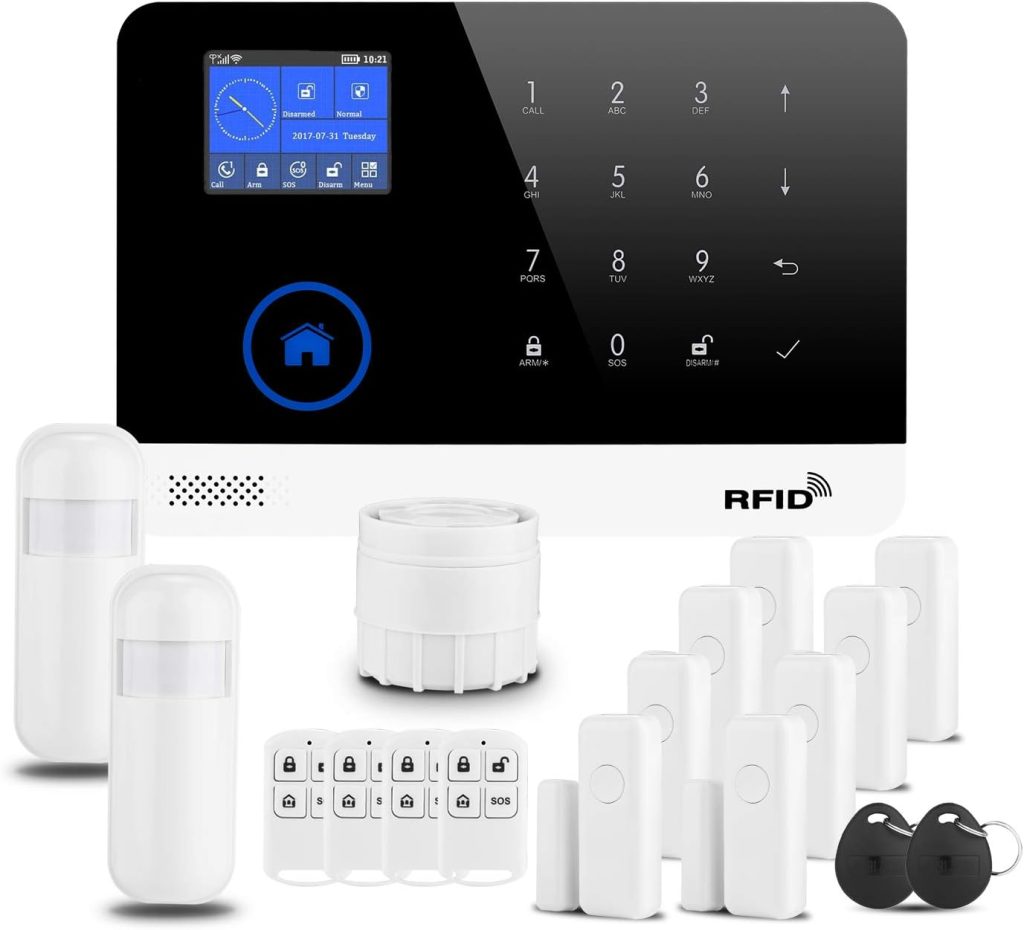
What if you accidentally trigger the alarm? Instead of a quick call from a private company, would you get a stern letter from the Department of Public Safety, reminding you of the federal code on "Unnecessary Alarm Activation"? The fines would be astronomical, I bet.
The "Standard Issue" Conundrum
Everyone gets the exact same system. No personalized touches. No fancy smart home integration that works with your specific smart lock or thermostat. It's probably robust, but also probably looks like it was designed in the 1980s by a committee. And what if you want an extra camera for that tricky blind spot? "Sorry, sir, that's not standard issue. You'll need to apply for a 'Supplemental Security Device Waiver,' Form HS-SDW/A-04. Please allow 6-8 weeks for review."

And let’s not forget the updates. Mandatory, system-wide updates that happen right when you’re trying to stream your favorite show, inevitably causing a temporary system shutdown and leaving your home vulnerable for that crucial 30-minute window. The irony!
So, Is the Dream Dead?
Probably. While the initial thought of a free government home security system sounds like a utopian dream for our wallets and peace of mind, the practicalities (and the inherent humor in those practicalities) quickly bring us back to reality. It's a nice thought, a comforting fantasy when your pickle jar takes a tumble. But perhaps, just perhaps, having a bit of control over who watches your home, how they watch it, and which form you have to fill out, isn't such a bad thing after all.
For now, I'll stick to my private security choices, triple-checking the fridge door, and maybe investing in a less adventurous pickle jar. What about you? Would you sign up for the 'Federal Home Watch Program' if it were offered? Be honest!