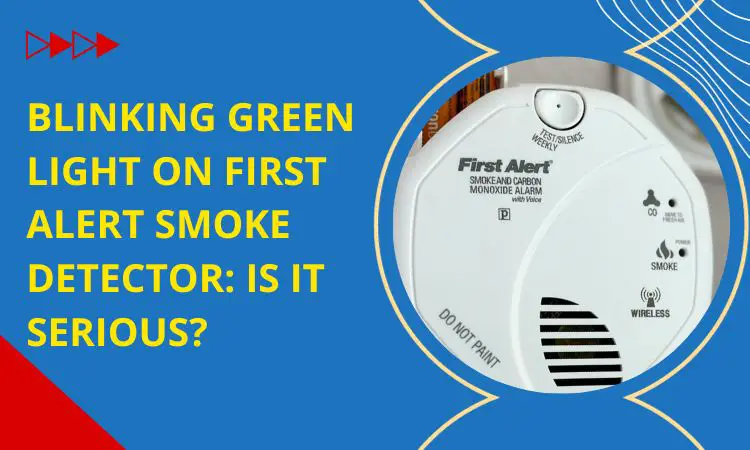
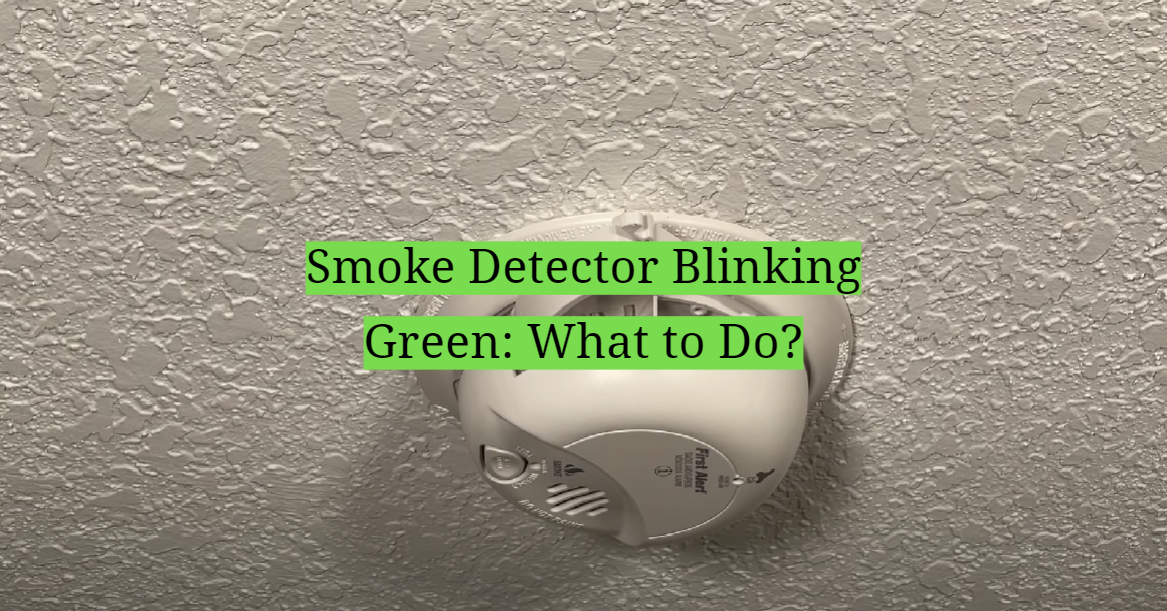
Flashing Green Light On Smoke Detector First Alert
Ever found yourself gazing up at a smoke detector on your ceiling, perhaps during a quiet moment, and noticed a subtle, rhythmic flash of green? It’s a tiny detail, easily overlooked, but for many of us, it sparks a flicker of curiosity. What’s that little light doing? Is it a good sign or a bad one? Understanding these quiet signals from our household guardians isn't just fun; it's a small but significant step towards feeling more in tune with our home environment and, more importantly, ensuring our safety. Let's peel back the curtain on this mysterious green blink from your First Alert smoke detector!
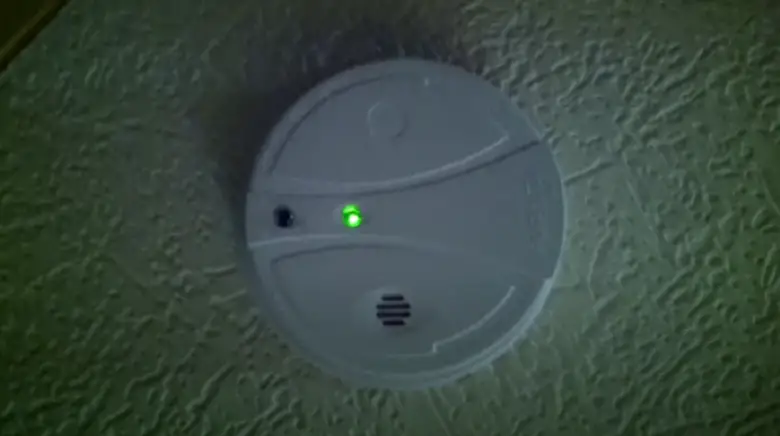
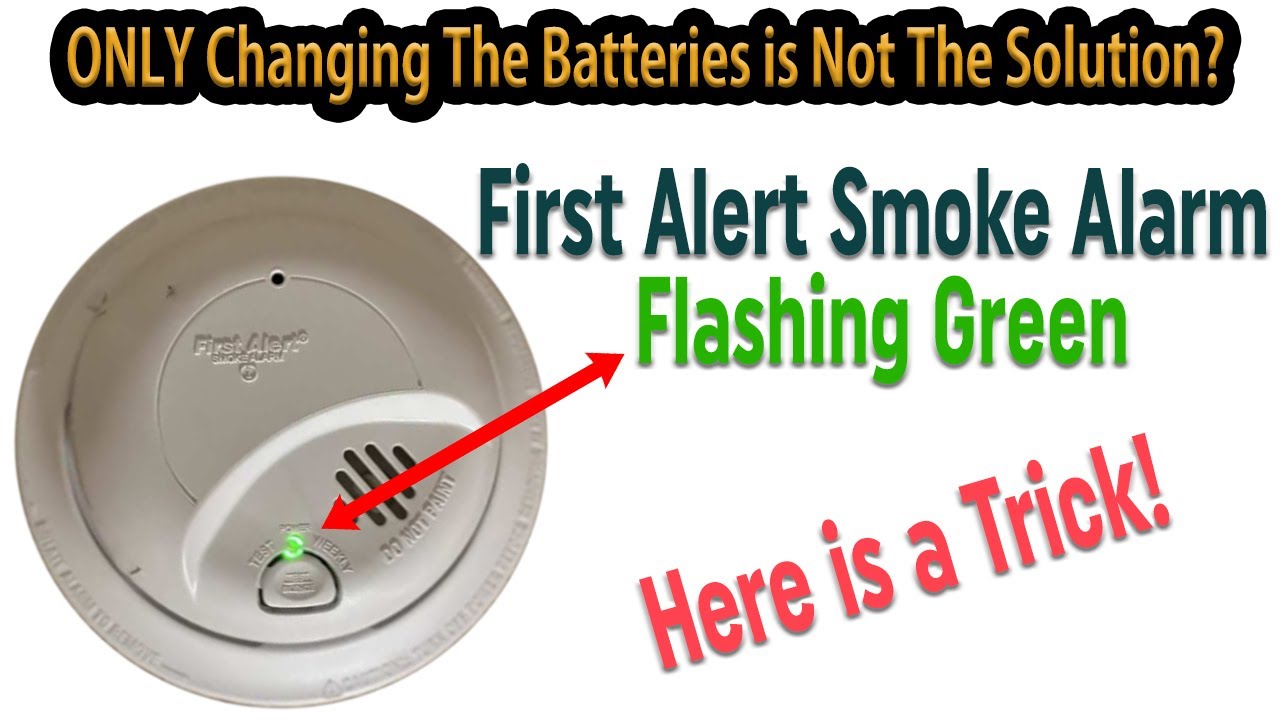
That unassuming green flash on your First Alert smoke detector isn't just for show; it’s actually a reassuring whisper from your device. Its primary purpose is to confirm that the unit is powered up and actively monitoring your home. Think of it as a silent "I'm awake and ready" signal. For hardwired units, this green light indicates that the detector is receiving continuous AC power. For battery-powered models, it often signifies that the battery is healthy and operational. The immediate benefit? Instant peace of mind. You don't have to guess if your smoke detector is working; that little green light tells you it is, without needing to press a test button or set off a loud alarm unnecessarily. It’s a constant, passive check that your first line of defense against fire is vigilant and prepared.
While the green light itself isn't a teaching tool in the traditional sense, understanding its meaning absolutely is, both in daily life and as an educational moment. In our daily routines, it transforms a mysterious gadget into a comprehensible guardian. For children, learning about the green light can be a simple lesson in appliance literacy and home safety basics. "See that green light? That means our smoke detector is watching out for us!" It teaches them to recognize operational signals, a valuable skill that extends to many other household devices. For adults, it’s about proactive safety management. Spotting a missing green light or a different, persistent light (like a red flash indicating trouble) immediately tells you something needs attention. It turns a passive observation into an actionable insight, prompting you to investigate potential issues before they become critical.
Must Read
Ready to get a little more curious about your smoke detector? Here are some simple ways to explore this tiny, glowing indicator:
- Observe its rhythm: How often does your green light flash? Most First Alert models will flash approximately every 30 to 60 seconds. Noticing its consistent pattern can help you spot when something’s off.
- Check your manual: If you have the user manual for your specific First Alert detector model, take a peek! It will precisely detail what each light indicator means, including that green flash. If you don't have it handy, a quick online search with your model number usually does the trick.
- Distinguish from other lights: Smoke detectors often have different colored lights or various flash patterns for different statuses (e.g., a rapid red flash for an alarm, a slow red flash for a low battery). Learn to differentiate them. The green flash is almost universally the "all's well" sign.
- Gentle reminder: If you notice no light at all, or a different, persistent light, that’s your cue to investigate further! It might be time for new batteries, or perhaps a unit replacement if it’s past its prime (smoke detectors typically need replacing every 7-10 years).