First Alert Smoke Alarm Troubleshooting
Ah, the humble smoke alarm! It’s one of those essential household items we rarely think about until it decides to make its presence known – usually with a cacophony of beeps or an insistent, mysterious chirp that seems to originate from the very soul of your ceiling. But far from being a nuisance, your First Alert smoke alarm is actually your home’s most diligent, ever-vigilant guardian, a silent sentinel ensuring your family’s safety. And believe it or not, understanding its language, and engaging in a little troubleshooting, can be a strangely satisfying, even empowering, act of domestic triumph.
Think of it: that little device, quietly perched above, is performing a crucial, life-saving service. Its sole purpose is to give you precious minutes to react and escape should a fire ever break out. It's the ultimate early warning system, protecting not just your property, but more importantly, the people and pets you love. The benefit is clear: peace of mind. Knowing that while you sleep, or when you’re out, your home has a watchful protector stands as one of modern life’s greatest assurances. We rely on them in every home, every apartment, and increasingly in businesses, for a very good reason – they save lives.
So, what does this domestic hero do when it needs a little attention? Most commonly, it’s that dreaded, intermittent chirp. This isn't a random act of defiance; it's a polite (if insistent) request for a fresh battery. Another common scenario involves the alarm going off during a cooking session – a bit of burnt toast, a sizzling stir-fry, or a particularly steamy shower can sometimes trigger a false alarm, letting you know the sensor is working overtime! Or perhaps it's simply time for its monthly health check, where you press that small test button to hear its full-throated roar, confirming its readiness.
Must Read
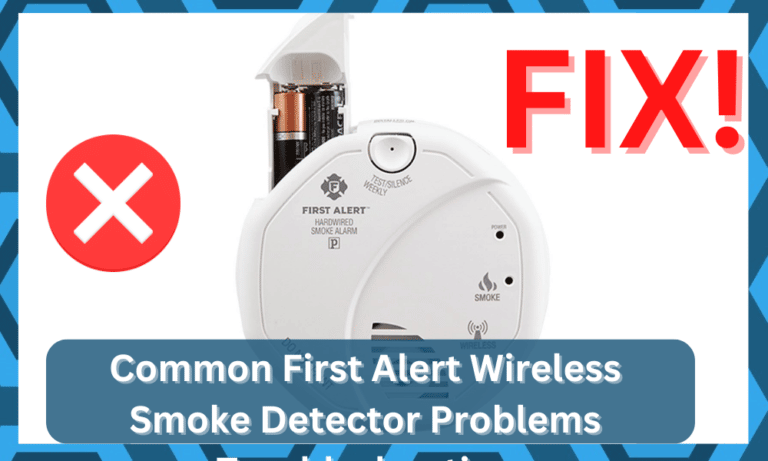
Ready to become a smoke alarm whisperer? Here are some practical tips to not only troubleshoot effectively but also ensure your First Alert guardian remains in tip-top shape. First up: the battery swap. If you hear that chirp, don't delay! Most First Alert alarms use standard 9-volt or AA/AAA batteries. A good rule of thumb is to replace them every six months, perhaps tying it to daylight saving changes. It’s a small effort for continuous protection.
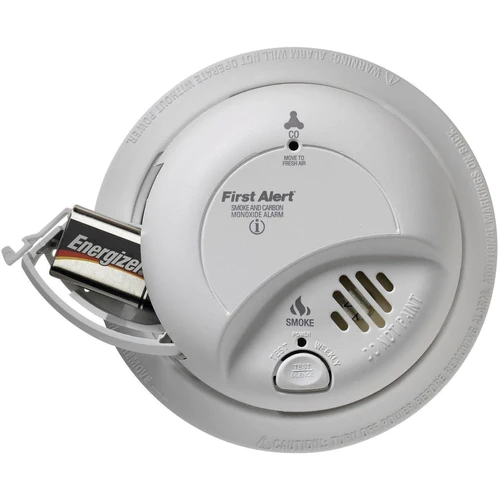
Next, consider its environment. Smoke alarms can accumulate dust, cobwebs, or even small insects in their sensing chambers, leading to false alarms. Periodically, gently vacuum around the alarm's vents or wipe it with a damp cloth (never spray cleaner directly onto it). Proper placement is also key: avoid mounting them too close to kitchens or bathrooms where steam and cooking fumes are constant, but ensure coverage throughout your home, especially near sleeping areas.
Finally, remember that smoke alarms don't last forever. They have a lifespan, typically 10 years from the date of manufacture (check the back for a "replace by" date). Beyond this, their sensors can become less effective. Replacing older units is just as important as changing batteries. By engaging in these simple maintenance tasks, you're not just fixing a problem; you're actively participating in your home's safety strategy, turning potential headaches into proactive peace of mind. So next time your First Alert friend chirps, embrace the opportunity to connect with your home's silent hero!