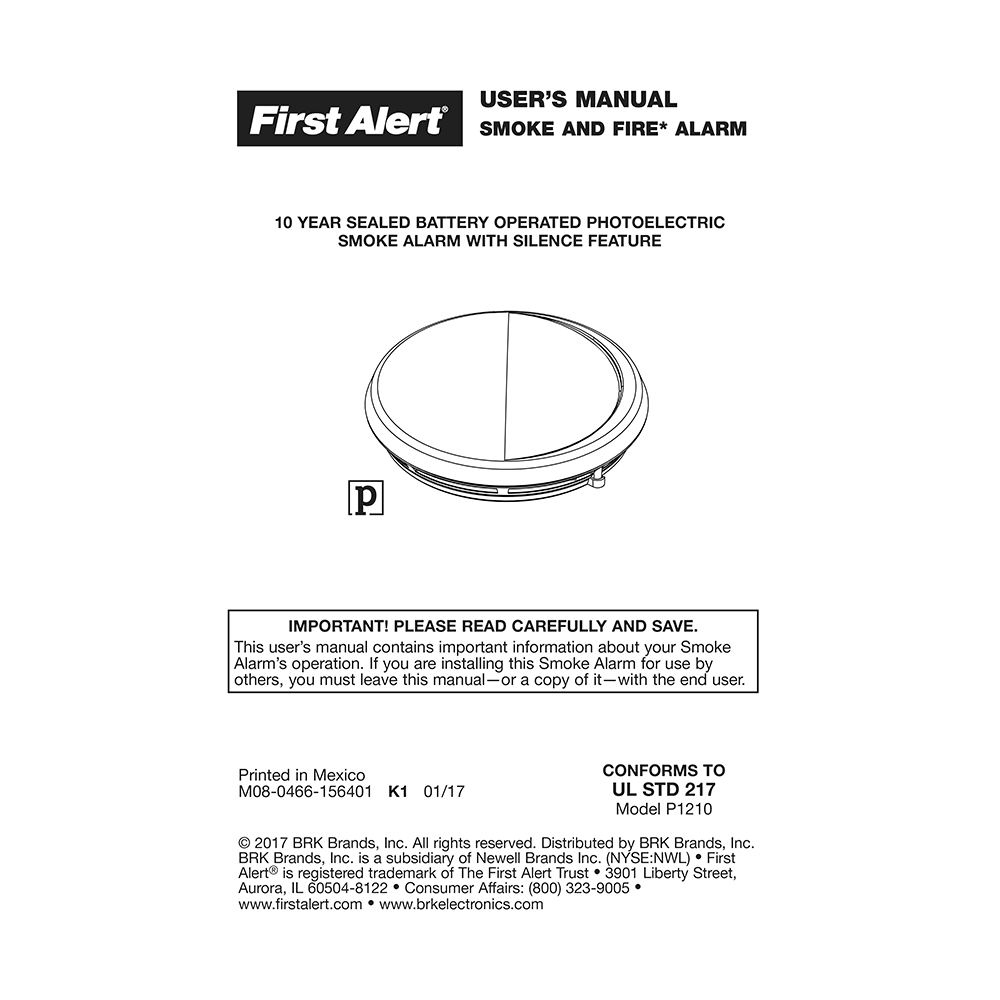
First Alert Smoke Alarm Owners Manual
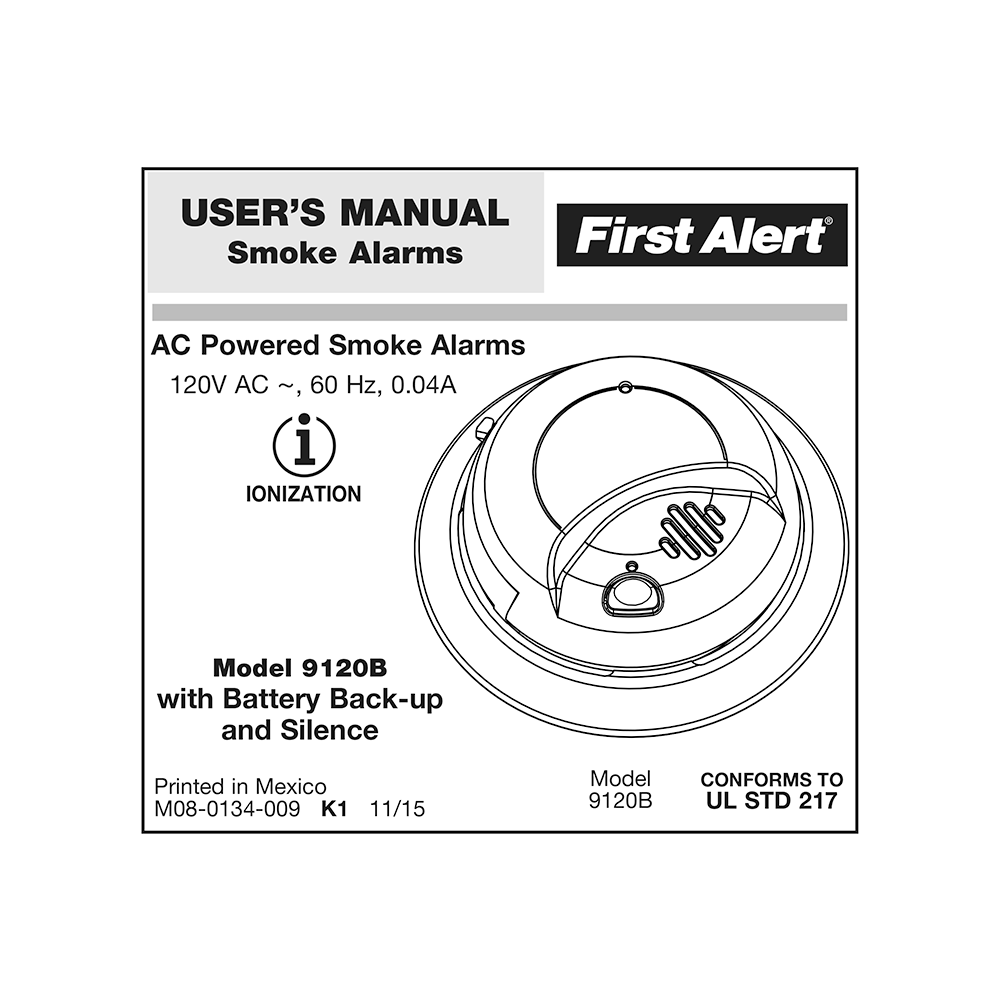
Remember that feeling? You get a new gadget, something practical, something for the house. There's a little buzz of satisfaction. Maybe it's a new coffee maker, or perhaps, for ultimate adulting, a fresh smoke alarm. You pull it out of the box, crisp in its plastic. It looks ready for duty, sleek and silent. Then, hidden underneath, or sometimes tucked right inside, you find it. Not the batteries. Not the mounting screws. We're talking about the silent, paper-thin elephant in the room: the owners manual.
The Great Unboxing of Wisdom (Unread)
Specifically, let's talk about the First Alert Smoke Alarm Owners Manual. Yes, that one. For a device whose primary function is to scream when toast burns, it comes with a surprisingly hefty stack of paper. You might pick it up, feel its weight. It's more substantial than you'd expect for something that just sits on the ceiling, waiting for disaster. You probably glance at the cover. Maybe you flip through a few pages, perhaps past the warranty information or the French translation. But let's be honest, for most of us, this is where our relationship with the manual ends. It often joins the charger cables for old phones, defunct remote controls, and that one mysterious screw in a drawer somewhere. Out of sight, out of mind. A tiny book holding immense responsibility, quietly gathering dust.
"It's a comprehensive guide to fire safety, wrapped in the packaging of pure, unadulterated apathy."
A Deep Dive into Ignored Instructions
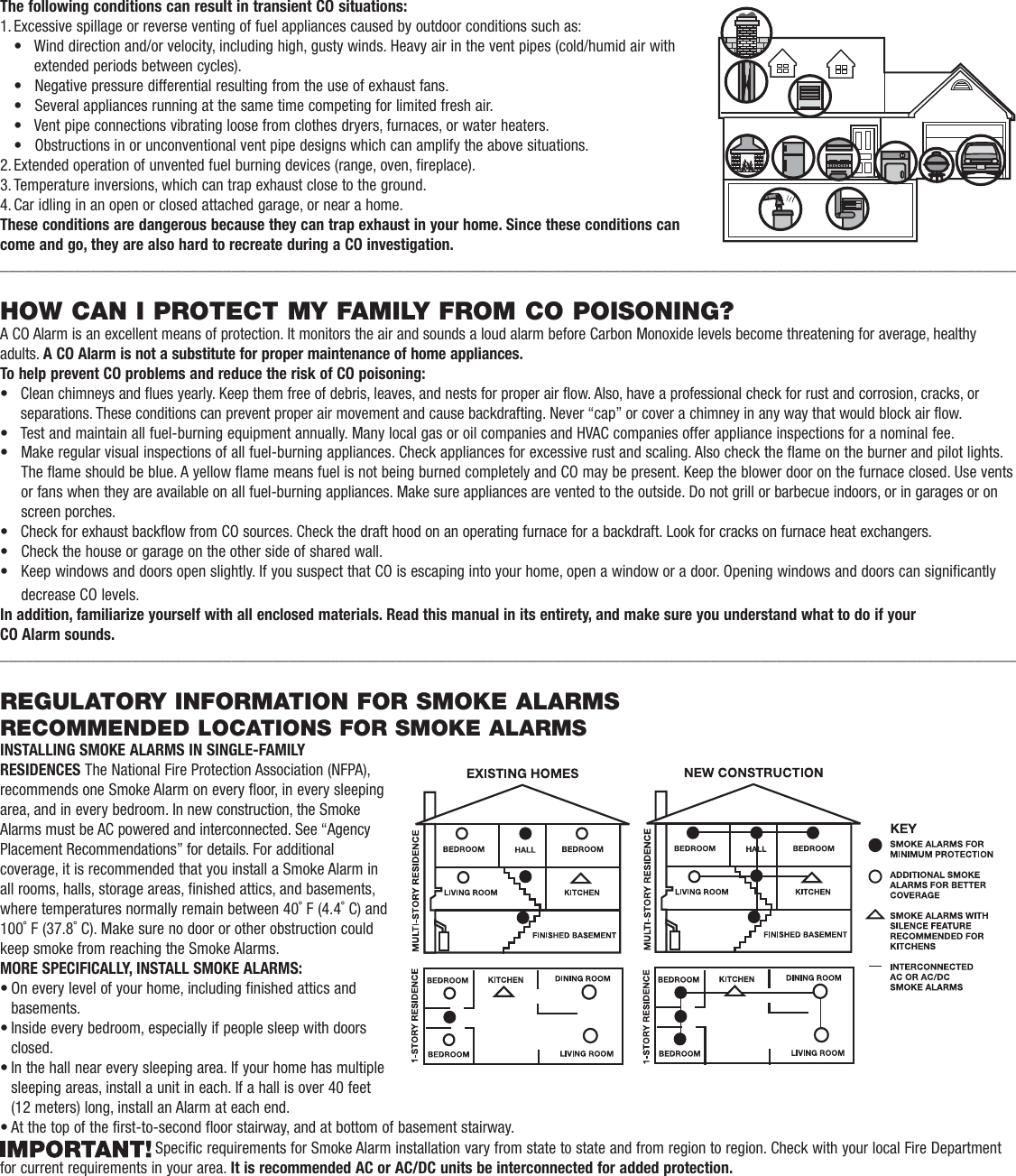
Now, imagine, just for a moment, that you actually decided to read it. From cover to cover. What thrilling secrets does the First Alert Smoke Alarm Owners Manual hold? Page one, no doubt, offers a polite "Congratulations on your purchase!" Then come the diagrams. "Install on ceiling." "Avoid dead air spaces." "Place at least 4 inches from the wall." These are things we mostly figure out, or our handy spouse does. But then, the manual gets serious. It demands attention. It tells you to test your alarm weekly. Weekly? Who has that kind of dedication to a beeping circle on the ceiling? We're usually too busy trying to remember if we fed the cat or if we left the stove on. That's a lot of commitment for a Tuesday afternoon when you're just trying to get through the week.
Must Read
It warns against painting the alarm. Really? Did someone, somewhere, decide their smoke detector needed a fresh coat of avocado green? The manual, in its earnest wisdom, seems to assume we're all a bit unhinged. And the troubleshooting section! Oh, the troubleshooting section. This is where the manual truly shines, but only for those brave enough to consult it. "Alarm chirps every 30-60 seconds." Ah, yes, the dreaded 3 AM symphony. The manual calmly suggests "replace battery." We, however, are usually resorting to frantic hitting with a broom, or a desperate climb onto a wobbly chair. The manual is so sensible. We are, bless our hearts, not always. It details different types of smoke, different sounds, different types of beeps for different types of emergencies. It's a whole educational curriculum, packed into a pamphlet. All for us to skip it entirely and figure things out the hard way.
The Silent Guardian and Its Unsung Saga
So, most of us never really read the First Alert Smoke Alarm Owners Manual. Do we live dangerously? Perhaps. But somehow, our alarms still manage to beep when we burn toast. They still wake us up with that high-pitched shriek when a stray spark threatens the kitchen. It’s almost as if they know their job, manual or no manual. Maybe the manual isn't for us. Maybe it's a tiny instruction book whispering sweet nothings about duty and responsibility to the alarm itself. A pep talk before a long life of quiet vigilance. When was the last time you thought about your smoke alarm beyond its occasional piercing cry? Probably never. And that's okay. The manual sits there, patiently waiting. A monument to preparedness, largely ignored by the masses, yet somehow, things usually work out.
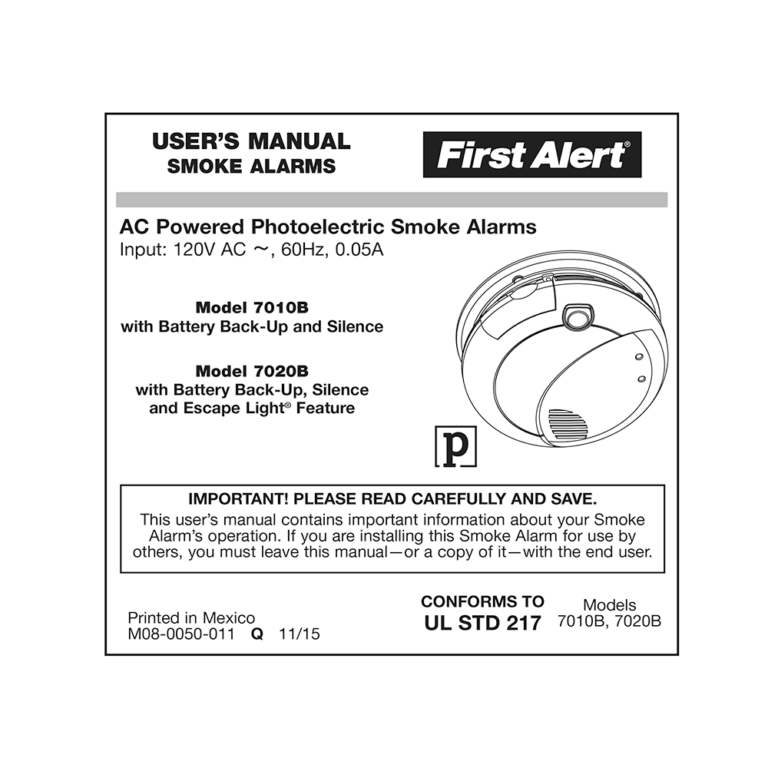
We trust our First Alert device to just... work. And for the most part, it does. Without us ever needing to consult chapter three on "False Alarm Prevention." Our kitchens occasionally fill with smoke from an over-enthusiastic frying pan. The alarm screams. We wave a tea towel like a maniac. Crisis averted. All without remembering if the manual said to wave clockwise or counter-clockwise. It’s a funny thing, isn’t it? This small, vital device. And its even smaller, equally vital (yet utterly ignored) instruction booklet. Perhaps its true genius is that it's so comprehensive, we don't need to read it. It just sits there, a comforting paperweight of corporate responsibility, a safety net for those truly bewildered moments.
So next time you see that little booklet, maybe give it a nod. It's doing its job, even if you're not doing yours (reading it). Long live the unread First Alert Smoke Alarm Owners Manual. A true unsung hero in the fight against home fires, and against excessive reading. It's the silent witness to our messy, manual-ignoring lives, always there, just in case. And honestly, isn't that enough?